Alaska et Colombie-Britannique – Passage Intérieur, ours et îles Aléoutiennes (du Sud au Nord)
Croisière d’expédition en Alaska de 18 jours, tout compris, au départ de Vancouver
Explorez le littoral accidenté de l’Alaska et les lointaines îles Aléoutiennes lors de cette croisière d’expédition reliant Vancouver à Nome.
Partez à la recherche des ours dans le Parc National de Katmai et sur l’île Kodiak, et guettez les baleines, les phoques, les loutres de mer et les oiseaux rares tels que la mouette des brumes.
Débarquez sur les îles isolées de Saint-Paul et Saint-Matthieu pour vous plonger dans une faune unique, des décors dépaysants et une histoire révolue.
La beauté sauvage de la côte Pacifique
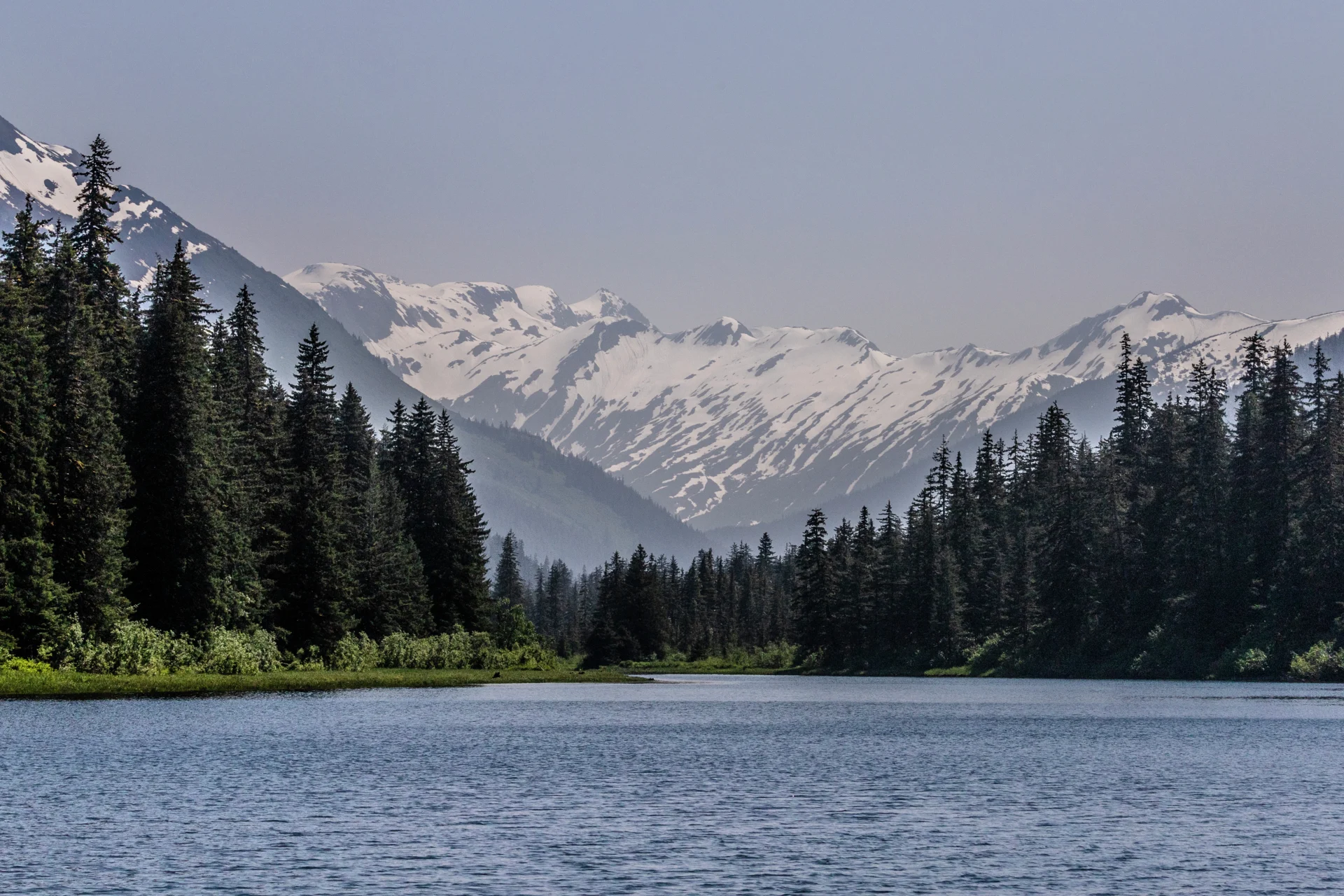
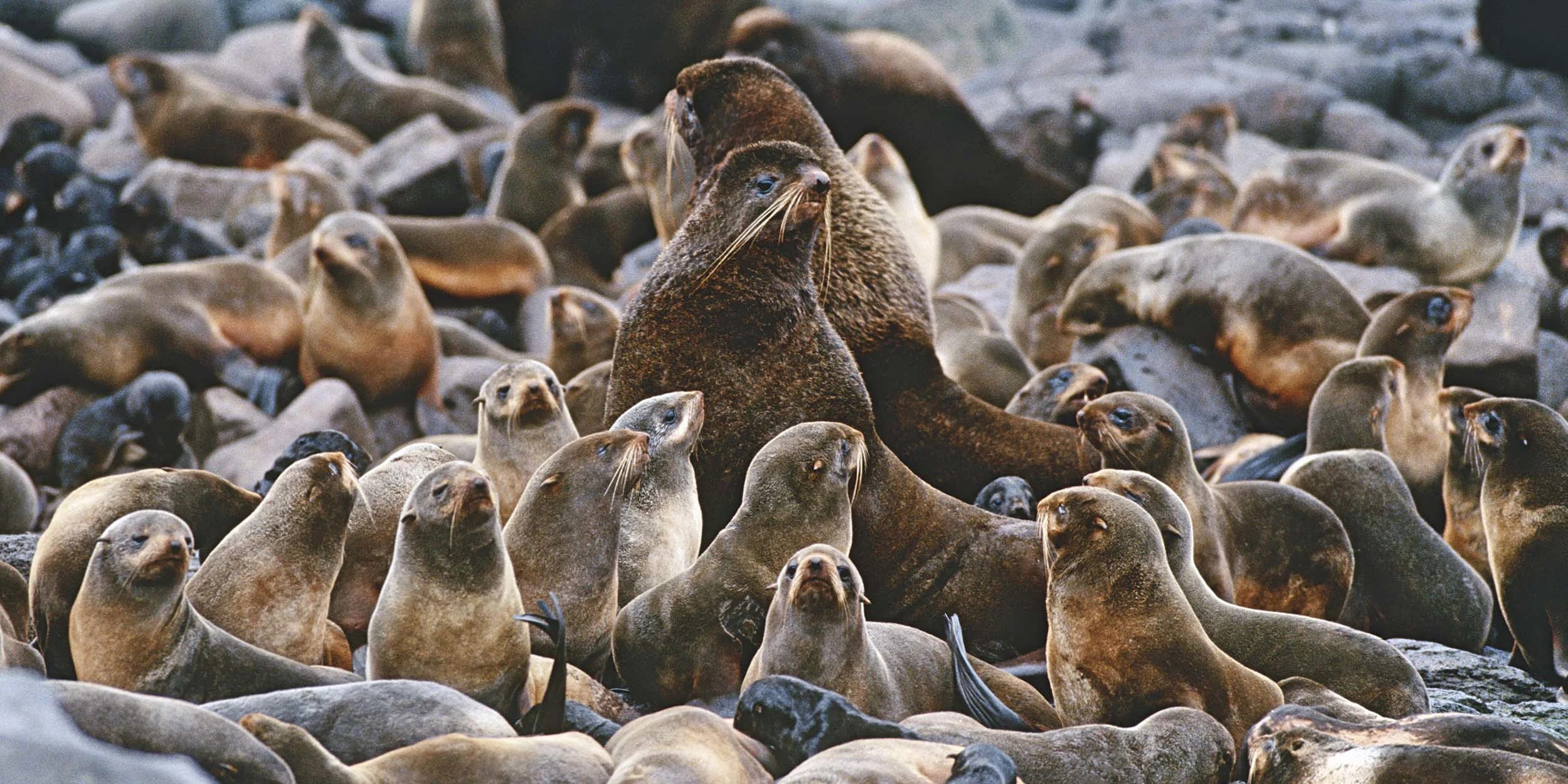
Découvrez la beauté immaculée de la côte accidentée de l’Alaska, ainsi que le Passage Intérieur du Canada et les îles Aléoutiennes. Immergez-vous dans une nature libre et sauvage dans le monument national des Misty Fiords et sur des îles lointaines. En chemin vers le nord, gardez un œil sur les ours bruns de l’île Kodiak et du Parc National de Katmai, sur les baleines, les otaries à fourrure et les diverses espèces d’oiseaux, dont le pygargue à tête blanche et d’autres plus rares comme le guillemot de Kittlitz.
Partez à la rencontre d’une histoire vivante
Rencontrez des membres des communautés indigènes tlingit et aléoute, partez à la chasse aux pétroglyphes à Wrangell et suivez les traces des chercheurs d’or et des explorateurs lors de votre croisière d’expédition. Visitez l’étonnante ville fantôme d’Unga et décryptez les histoires anciennes gravées sur les totems moussus de la maison tribale Chief Shakes. Vous rentrerez de ce voyage avec une meilleure connaissance de la culture, l’écologie et l’histoire de cette magnifique région.
Suites ExpéditionL’exploration, en mieux
Détails clés de l'expédition
Itinéraire
Votre aventure en un coup d'œil. Les moments forts de chaque journée, les activités incluses et les options supplémentaires pour rendre votre séjour inoubliable.
Levez l’ancre à Vancouver
Votre aventure commence à Vancouver, ce port maritime du Pacifique, encadré par des montagnes escarpées et des forêts côtières luxuriantes. Flânez dans les rues victoriennes de Gastown, ou longez la digue en passant devant les imposantes forêts de cèdres de Stanley Park, qui vous donneront un avant-goût de la nature sauvage qui vous attend. Les fruits de mer et la cuisine en circuit court « de la ferme à l’assiette » y sont exceptionnels. Nous vous conseillons d’arriver un jour à l’avance afin d’avoir le temps de découvrir la ville.
Le soir venu, votre navire vous attendra. Installez-vous dans votre cabine, faites connaissance avec l’équipe d’expédition et écoutez les consignes de sécurité. Demain, nous mettrons le cap au nord.

La faune marine le long de la côte du Pacifique
Le Passage Intérieur est l'une des plus belles routes côtières du monde, avec plus de 1 450km de voies navigables abritées du Pacifique, sculptées par les glaciers et bordées de forêts ancestrales. Aujourd'hui, nous nous aventurons vers les eaux libres du détroit de la Reine-Charlotte et du détroit d’Hécate, où se trouve, à l’ouest, l’île de Haida Gwaii.
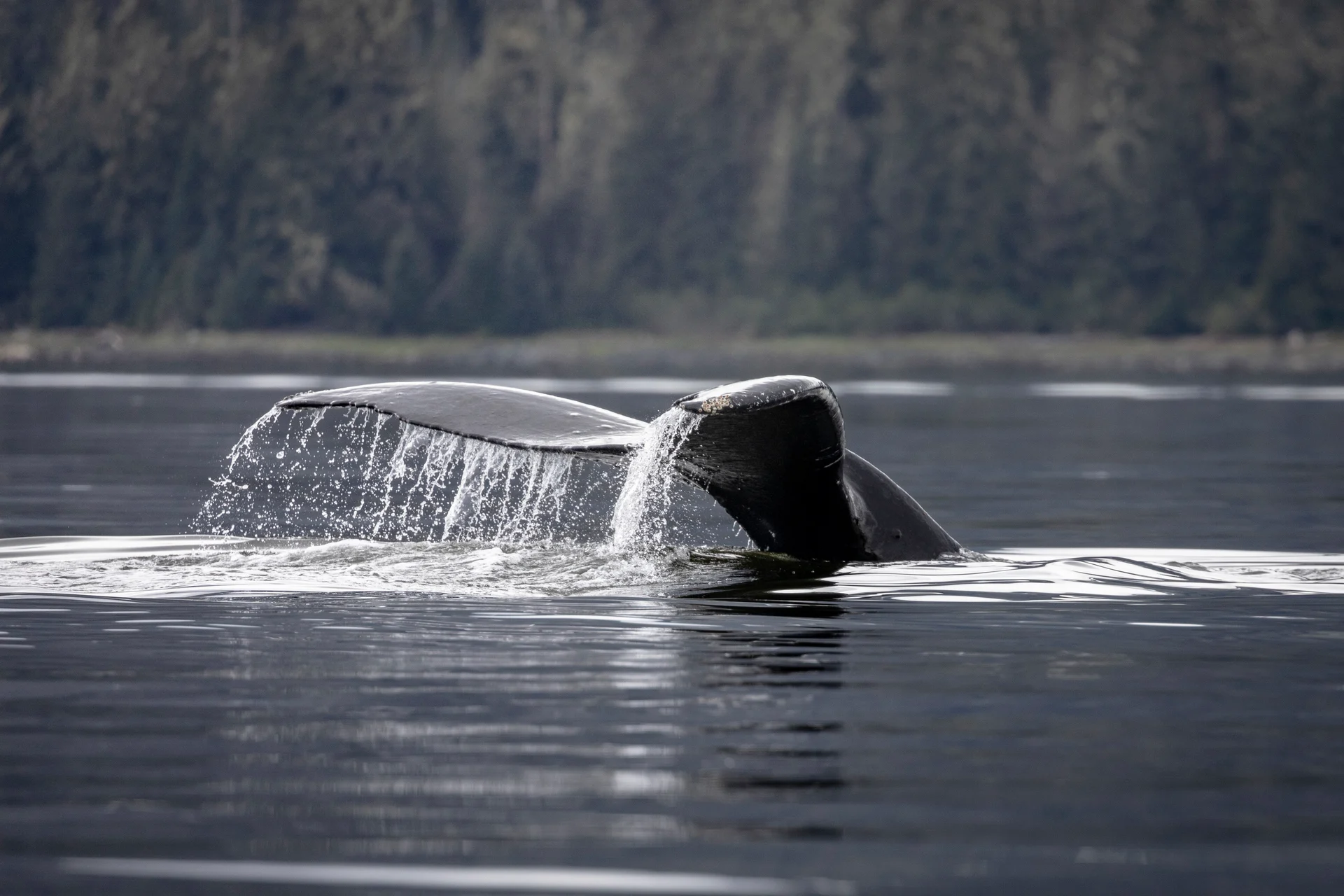
Ce sont des mers pleines de vie. Ouvrez l’œil pour apercevoir des baleines à bosse, des rorquals communs, des orques, des petits rorquals et des dauphins à flancs blancs du Pacifique. Au cours de ce voyage, ceux qui gardent les yeux rivés sur l’horizon seront récompensés.

Des falaises vertigineuses, des cascades et des sommets enneigés
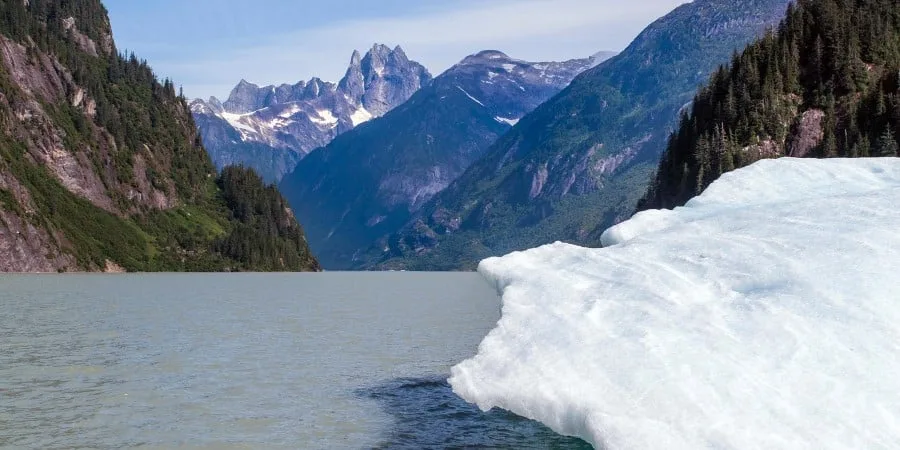
Misty Fjords est une région sauvage préservée, où des fjords sculptés par les glaciers s’enfoncent profondément dans la forêt de Tongass et où des falaises s'élèvent jusqu’à 915 mètres au-dessus de l’eau. Le célèbre naturaliste John Muir a décrit la région comme l’un des plus beaux endroits qu’il ait jamais vus.
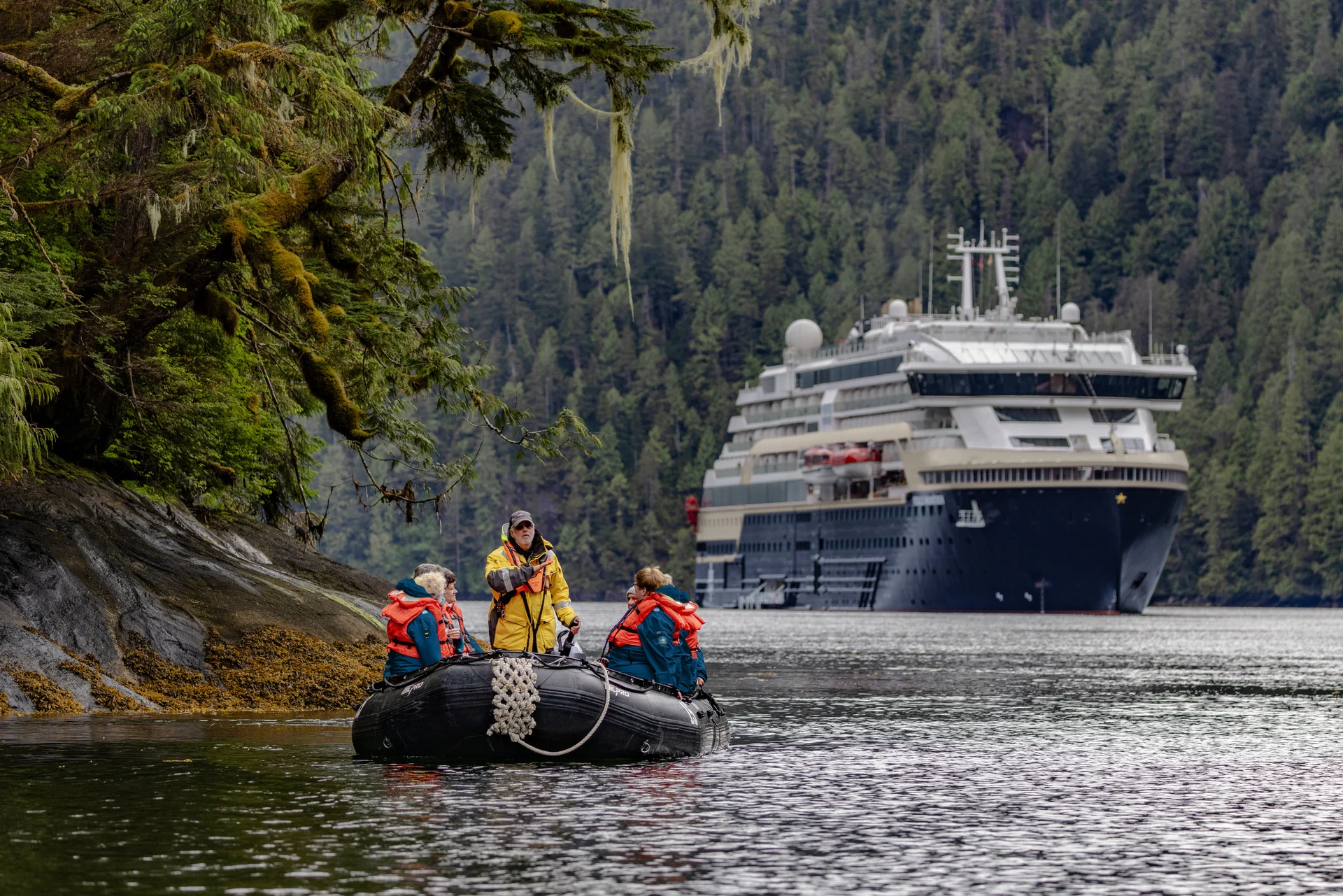
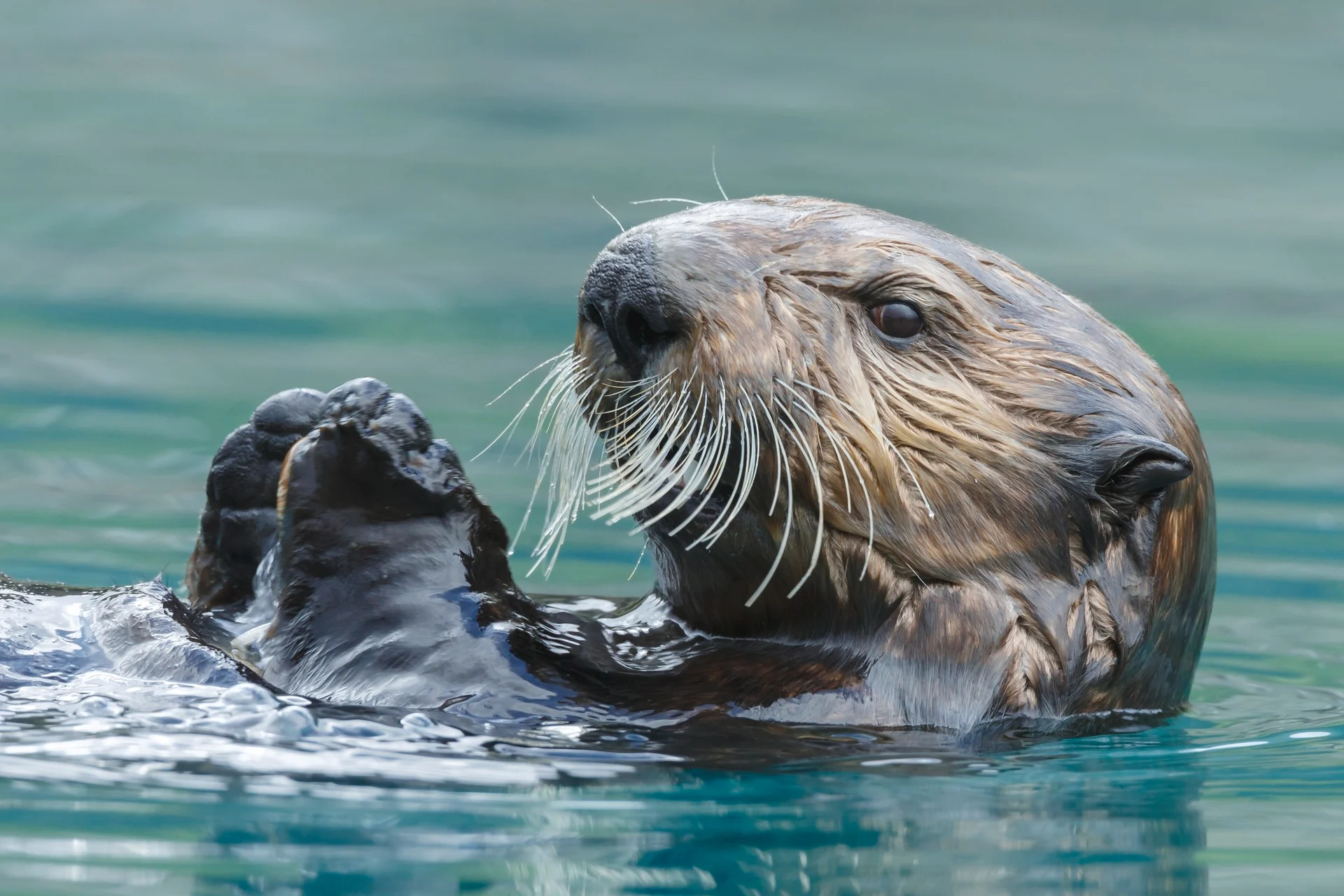
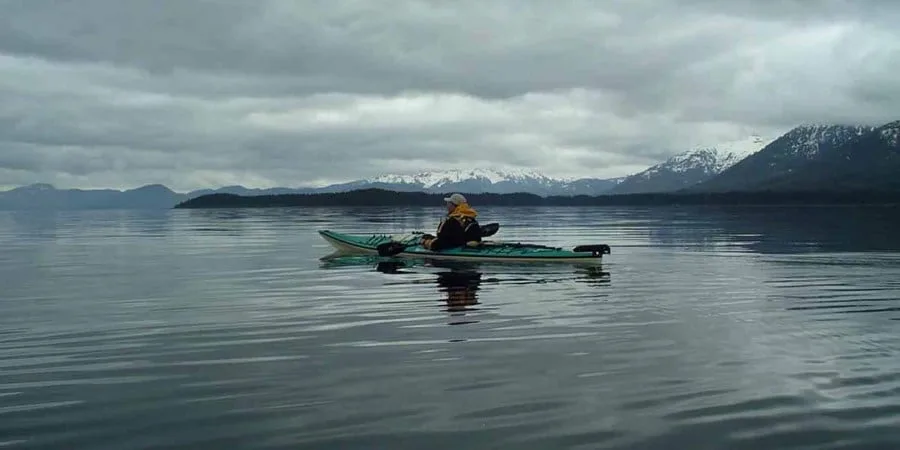
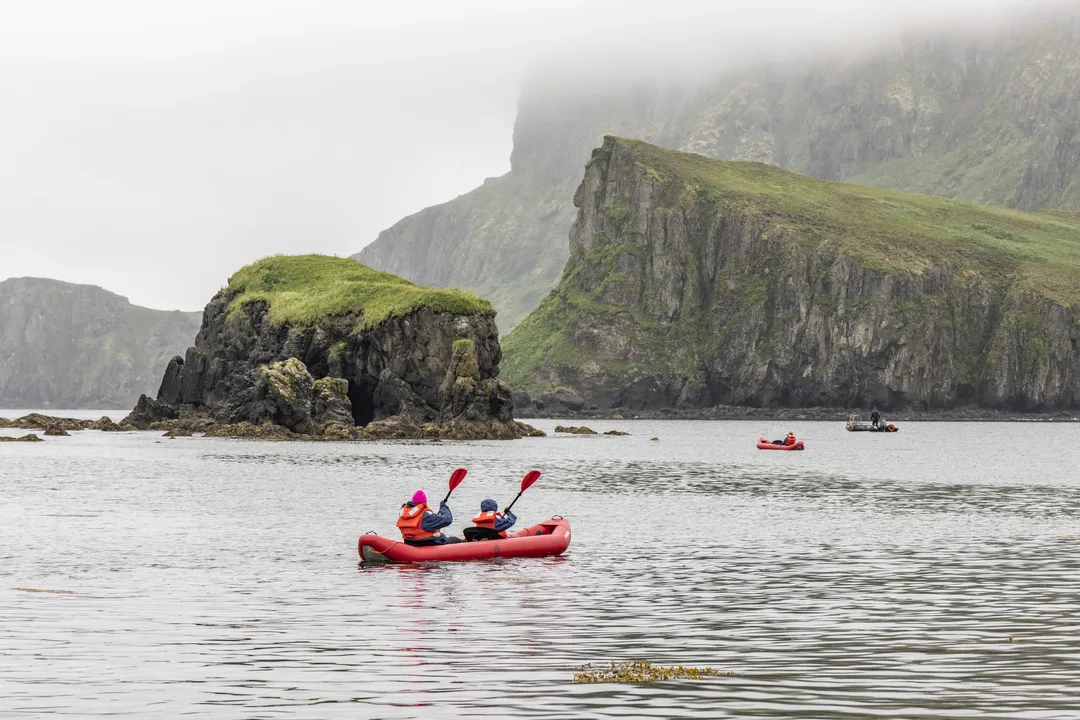
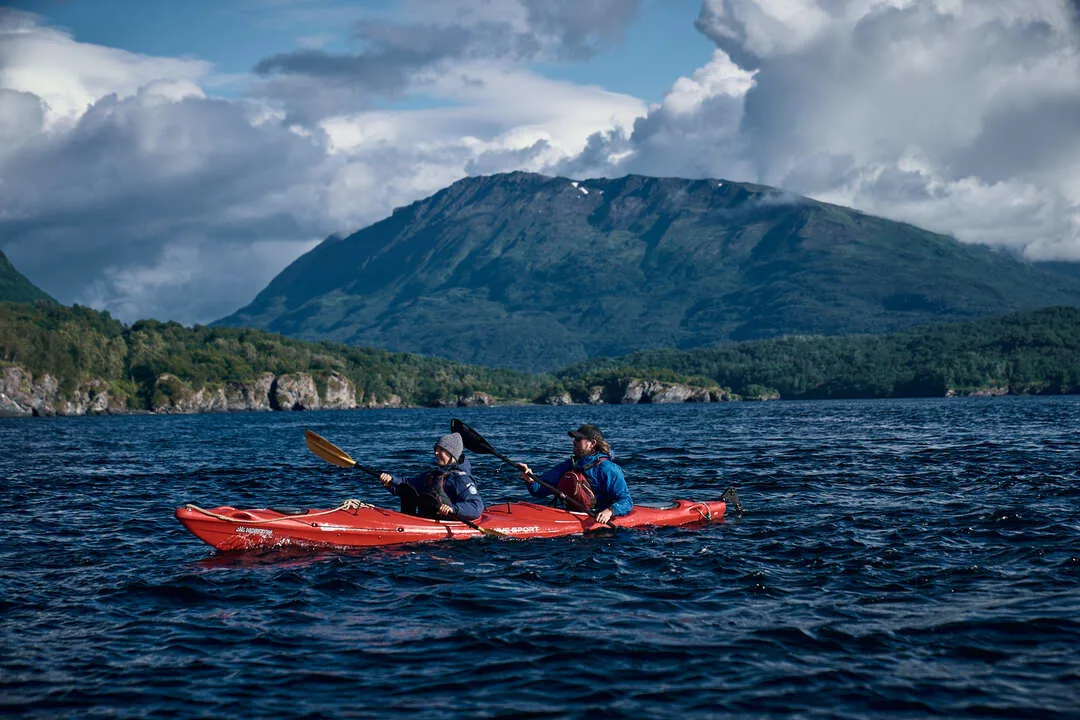
Si la météo le permet, vous rejoindrez l’équipe d’expédition pour une excursion dans les Misty Fjords à bord de nos petits bateaux d’expédition, ou pourrez vous adonner à une sortie en kayak. Vous pourrez apercevoir des loutres, des otaries de Steller, des phoques communs, des orques et des marsouins de Dall, tandis que les chèvres de montagne s’accrochent aux corniches et que les pygargues à tête blanche décrivent des cercles dans le ciel.

Visitez l’une des plus anciennes villes portuaires d’Alaska
Nous poursuivrons notre croisière dans les îles de l’Alaska en direction de Wrangell.
Berceau traditionnel du peuple tlingit depuis 8 000 ans, Wrangell est passée au cours des deux derniers siècles sous le contrôle de la Russie, puis de la Grande-Bretagne, et fait aujourd’hui partie des États-Unis.
Visitez le musée local pour en savoir plus sur le passé fascinant de Wrangell. Faites ensuite la traversée jusqu’à Shakes Island pour découvrir l’histoire des Tlingits dans la maison tribale Chief Shakes et sa collection de totems.
À seulement 1,5km de la ville, rejoignez le site historique de Petroglyph Beach, parsemé de rochers recouverts de gravures anciennes qui ont été réalisées par le peuple tlingit il y a plus de 1 000 ans.
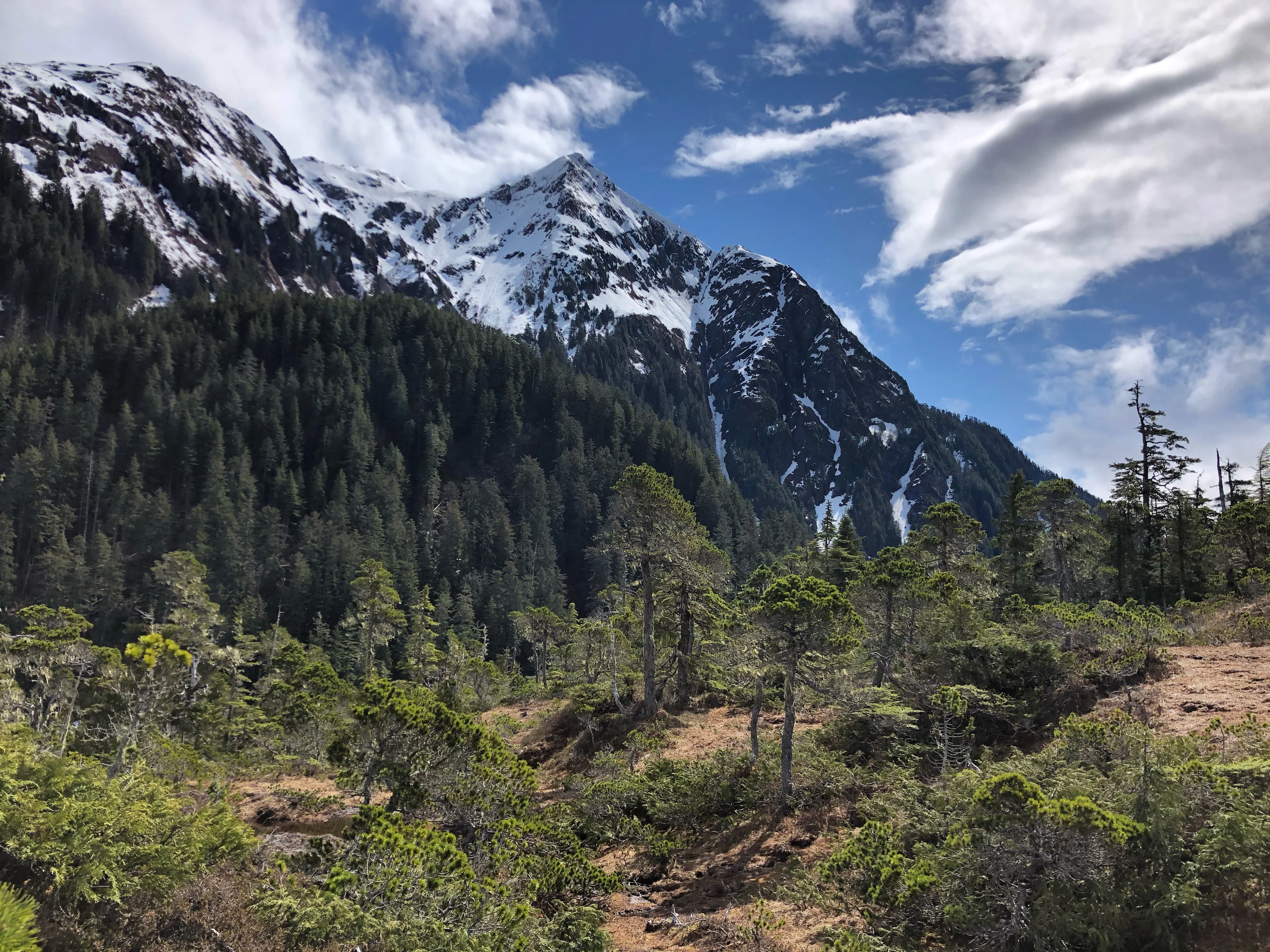
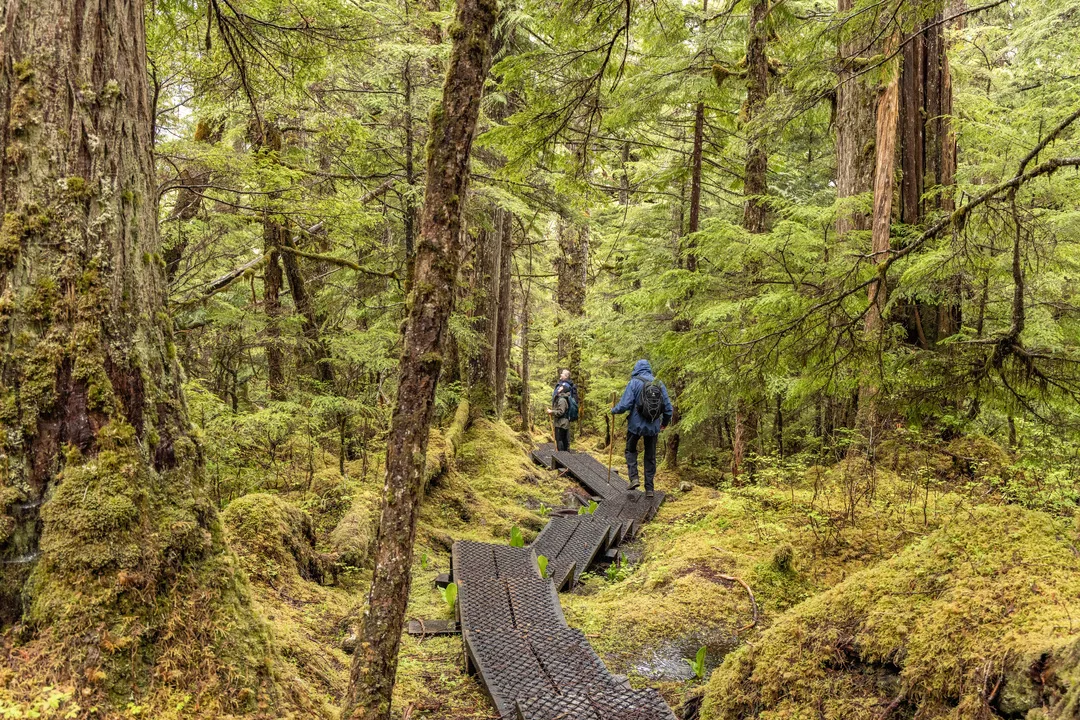
Envie de randonner ? Lancez-vous sur les sentiers naturels de ce cadre somptueux, depuis l’embouchure du fleuve Stikine et au pied du mont Dewey, jusqu’à la lisière de la forêt tempérée humide.

Au carrefour des cultures
Alors que le mont Edgecumbe, un volcan endormi, se profile à l’horizon, nous arrivons à Sitka, nichée au cœur de la forêt nationale de Tongass. C'est la terre ancestrale du peuple Łingít depuis 10 000 ans. Des explorateurs russes s’y sont installés au début du 19e siècle, et la Russie, affaiblie par la guerre de Crimée, a cédé ce territoire aux États-Unis en 1867.
Aujourd’hui, ces traces de l’histoire sont encore visibles : à la cathédrale orthodoxe russe et à la résidence de l’évêque russe, ainsi que sur les totems des Łingít et des Haïdas du parc historique national de Sitka.

L’amphithéâtre glacé de l’Alaska
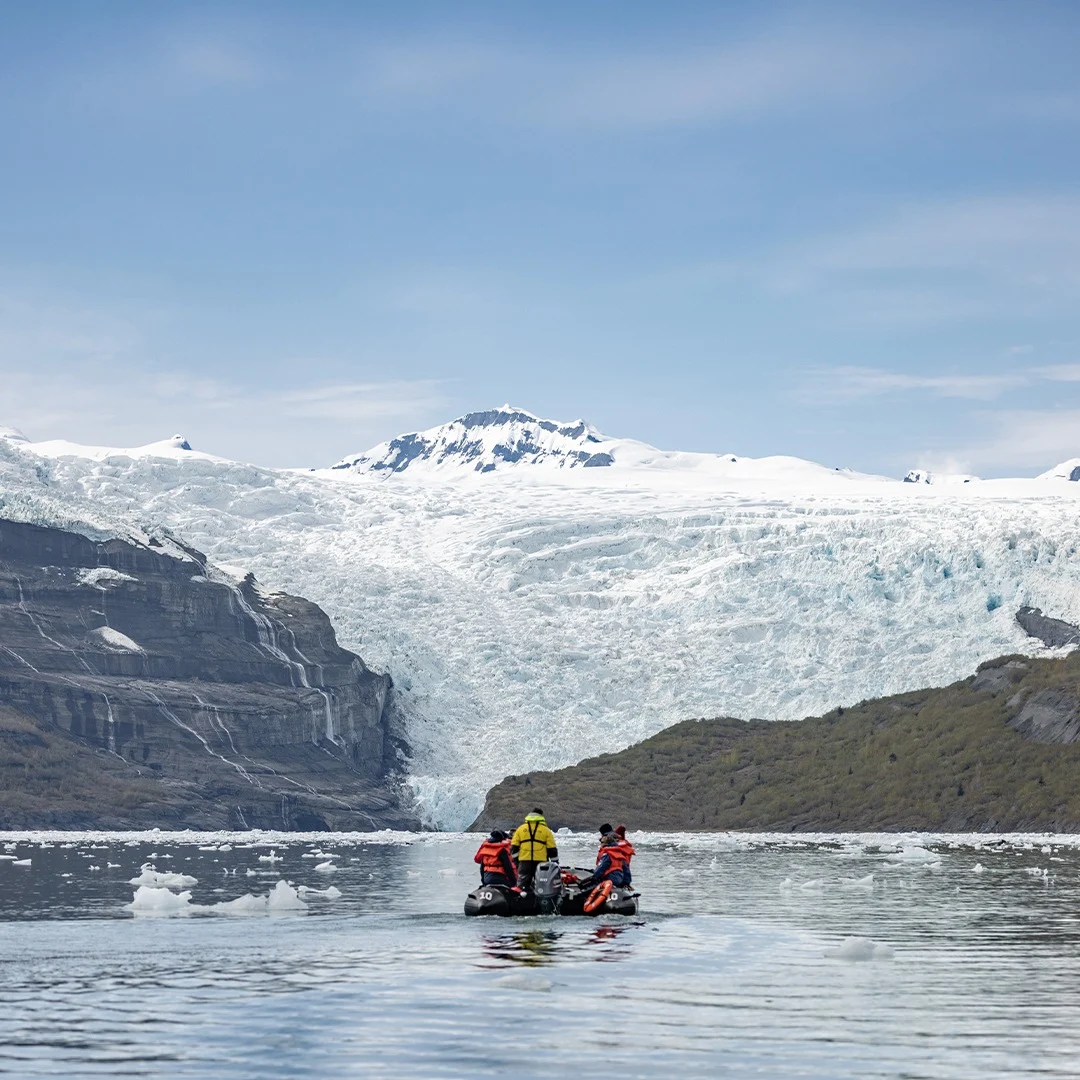
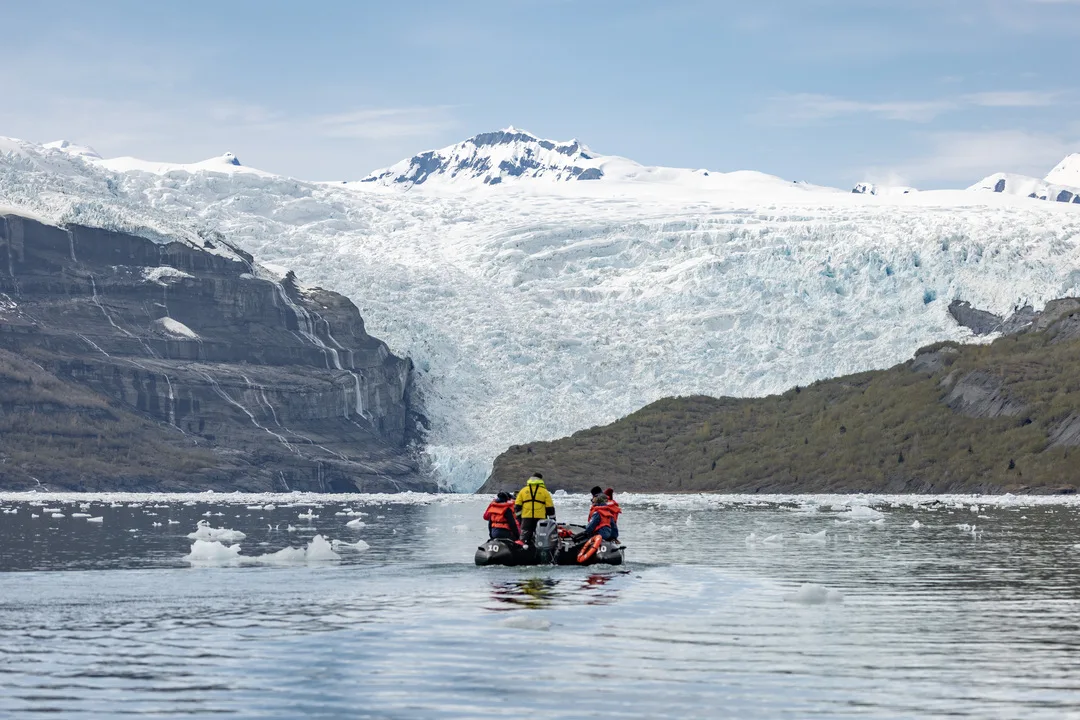
Aujourd’hui, nous partons à la découverte d’Icy Bay, où trois glaciers, Guyot, Yahtse et Tyndall, déversent leur glace dans les eaux bleues en contrebas. Si les conditions le permettent, vous partirez à bord de bateaux d'expédition ou de kayaks pour vous approcher suffisamment près afin d’entendre le craquement et le grondement de la glace qui se déverse dans la mer.
Depuis la mer, le sommet escarpé du mont Saint-Élie domine l’horizon. Culminant à plus de 5 500m et située à seulement 16km de la côte, c’est la deuxième plus haute montagne des États-Unis et du Canada, et l’un des dénivelés les plus spectaculaires de la planète. Ce genre de panorama impose le silence.
Dans le Golfe d’Alaska, nous partirons à la recherche des baleines à bosse, orques, loutres de mer et phoques communs qui peuplent ces eaux.

Observation des oiseaux et détente en mer
Votre croisière se poursuit dans le Golfe d’Alaska. Profitez de la piscine à débordement, des bains à remous, du sauna et de la salle de fitness, ou offrez-vous un soin au spa.
Au centre scientifique, les membres de l’équipe d’expédition vous invitent à participer à des conférences sur la faune, la géologie, la glaciologie et l’histoire de l’Alaska.
Depuis le pont découvert, scrutez l’horizon à la recherche d’oiseaux marins. Trois espèces d’albatros du Pacifique Nord peuplent ces eaux : l’albatros de Laysan et l’albatros à pieds noirs sont régulièrement observés, mais apercevoir le rare albatros à queue courte serait le clou du voyage.

La verdoyante Kodiak
Surnommée « l'Île d'Émeraude », Kodiak s'élève dans le Golfe d'Alaska, avec ses vastes forêts tempérées luxuriantes et son rivage accidenté. Il s’agit de la terre ancestrale du peuple Sugpiaq, dont les liens avec ces îles remontent à plusieurs milliers d’années.
Nous passerons deux jours ici, à découvrir la ville de Kodiak et une petite communauté côtière afin de nous imprégner directement de la culture et des traditions locales. En mer, nous partirons à la recherche de baleines à bosse, de loutres de mer et de phoques communs. La réserve naturelle nationale de Kodiak, qui couvre environ les deux tiers de l’île, abrite quelque 3 500 ours bruns de Kodiak, une sous-espèce que l’on ne trouve nulle part ailleurs dans le monde.

Observez les ours bruns sur la côte de l’Alaska
Le Parc National de Katmai s’étend sur environ quatre millions d’acres de la péninsule d’Alaska. Il abrite quelque 18 volcans, dont sept sont actifs depuis 1900, ainsi que la plus importante concentration au monde d’ours bruns protégés : environ 2 000 au total.
Depuis le pont du bateau et à bord des embarcations d’expédition, nous observons les ours qui s’affairent le long du rivage : ils creusent pour trouver des palourdes, pêchent dans les eaux peu profondes et se déplacent parmi les herbes côtières avec l’assurance tranquille d’une espèce au sommet de la chaîne alimentaire. Selon les conditions météorologiques, nous visiterons Geographic Harbor, Kinak Bay ou Kukak Bay. Ici, la patience est largement récompensée.

Partez en exploration dans la nature sauvage
Véritable contrée sauvage, la péninsule d’Alaska est un havre de paix pour la faune. La région se caractérise par ses paysages côtiers bruts, ses montagnes imposantes et ses baies isolées.
Rejoignez votre équipe d’expédition pour une exploration minutieuse des baies et criques cachées le long du rivage, durant laquelle vous aurez l’occasion de voir des ours, des pygargues à tête blanche et des espèces marines telles que les loutres de mer et les baleines à bosse. Découvrez l’évolution géologique de la région et appréciez la façon dont les forces naturelles ont sculpté la topographie unique qui vous entoure.

La nature reprend possession de ce village abandonné.
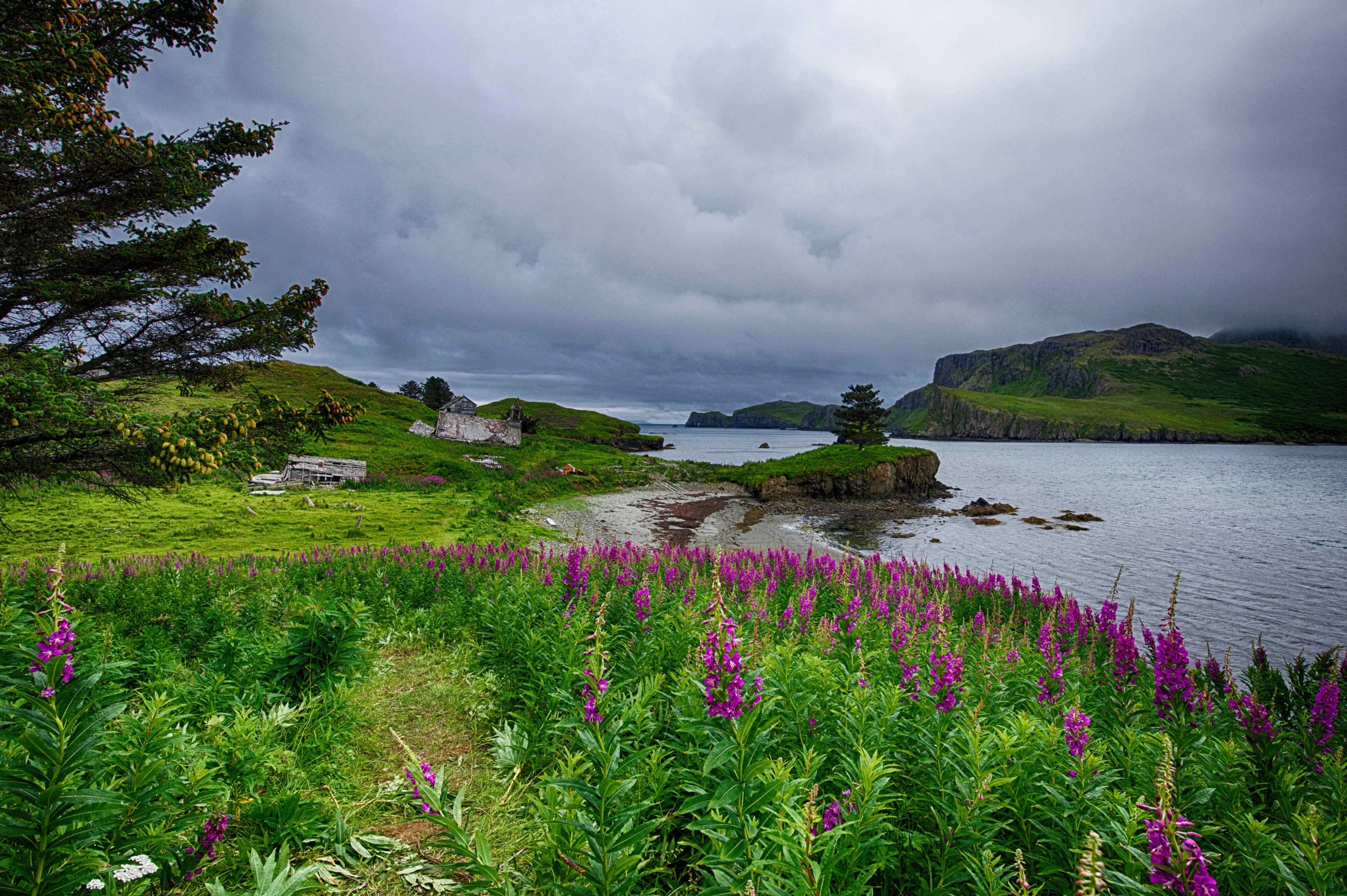
Sauvage et désert, le village d’Unga est une localité fantomatique située sur la côte sud-est de l’île d’Unga.
Fondé officiellement en 1833 en tant que comptoir commercial, il a ensuite accueilli une petite communauté de pêcheurs et de mineurs. Mais à mesure que les services déclinaient, les habitants ont progressivement quitté les lieux, la dernière famille étant partie en 1969.
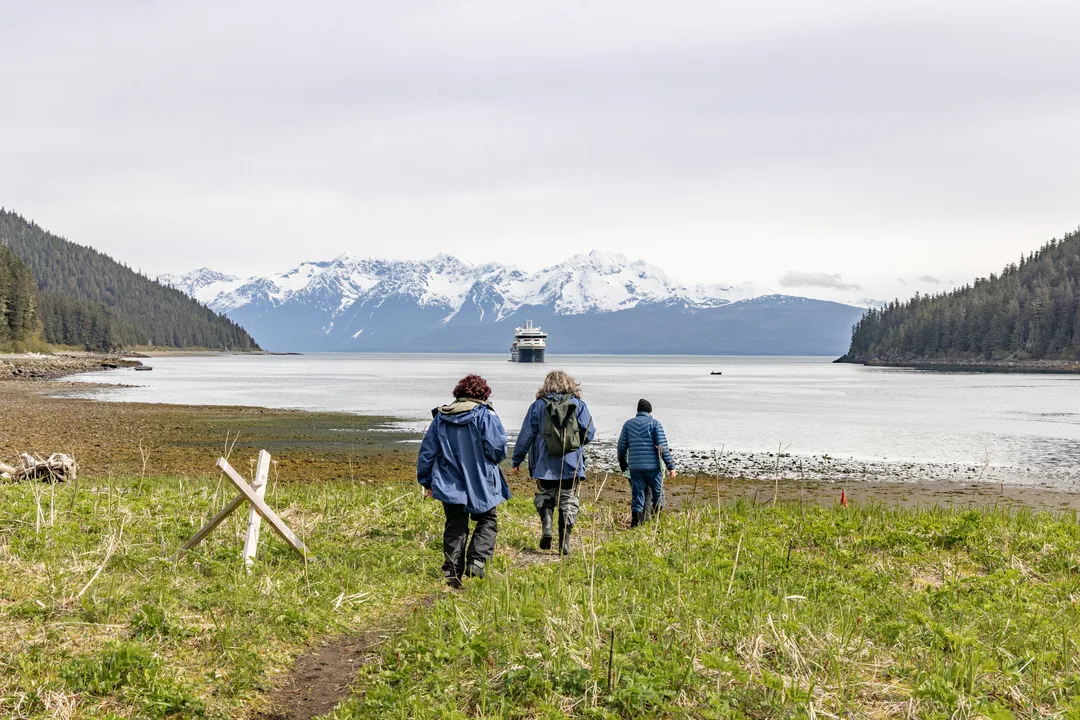
Les quelques bâtiments en bois qui se dressent encore aujourd’hui sont les seuls témoins d’une vie passée. Un tapis de pédiculaires roses, d’épilobes et d’autres fleurs sauvages entoure les cabanes abandonnées, la nature ayant progressivement repris ses droits. Découvrez la beauté mystérieuse de ce lieu lors d’un débarquement en pleine nature rendu possible par nos bateaux d’expédition.

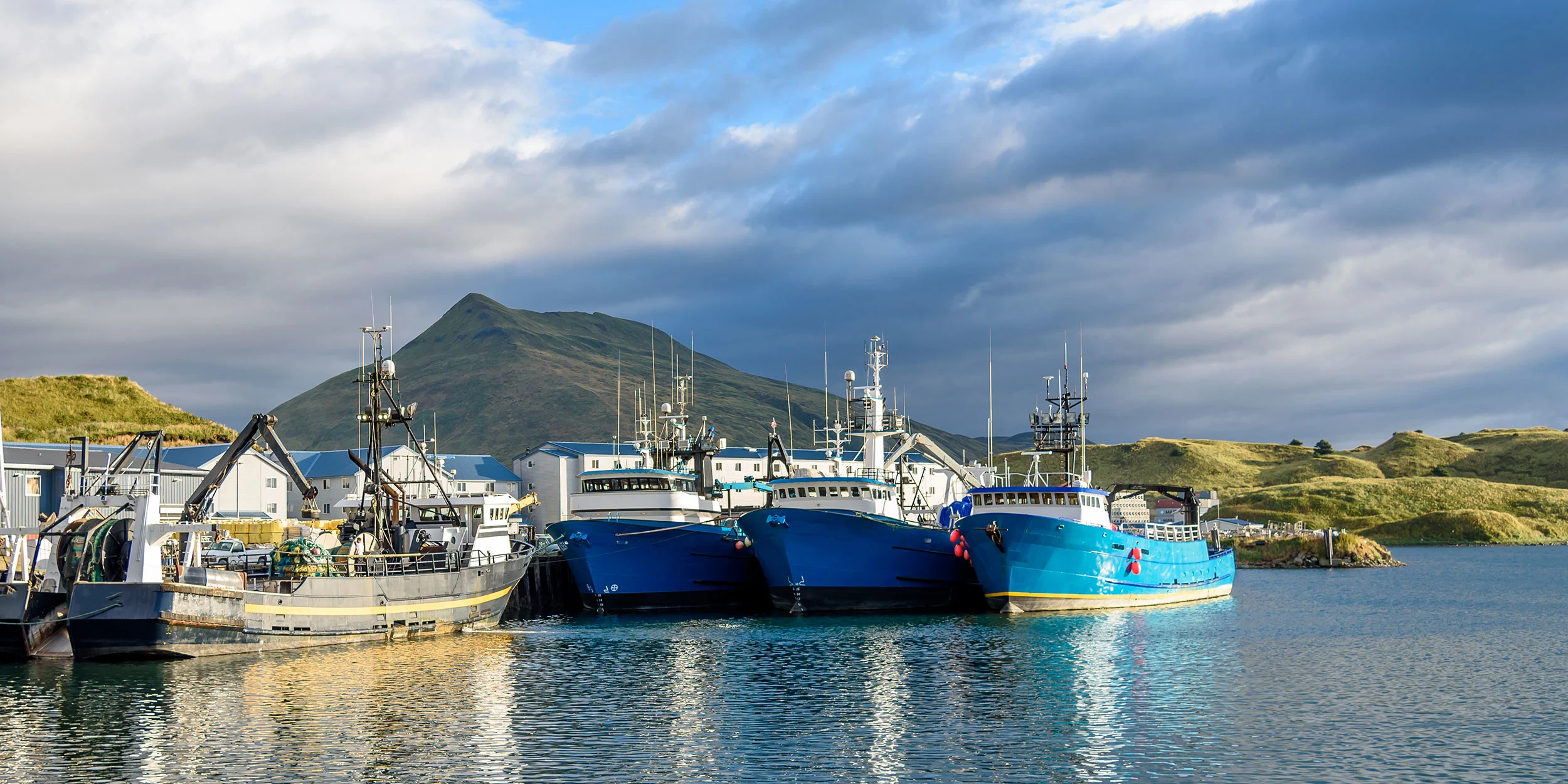
Le plus grand port de pêche d’Amérique
Vous découvrirez le peuple Unangan, qui vit sur ces îles depuis au moins 9 000 ans et visiterez le musée des Aléoutiennes, la cathédrale orthodoxe russe ou encore le musée de la Seconde Guerre mondiale qui commémore la bataille de Dutch Harbor de 1942.
Vous pourrez également observer une faune abondante : des pygargues à tête blanche et des macareux dans le ciel, des chevaux sauvages et des renards sur la terre ferme, ainsi que des baleines, des otaries et des marsouins dans les eaux environnantes.
C’est également ici qu’a été tournée la série de télé-réalité Péril en haute mer, qui suit le travail de pêcheurs de crabes dans des conditions extrêmes.

Nature sauvage et communautés isolées
Lors des quatre prochains jours, nous traverserons la mer de Béring en direction de Nome. Cette partie du voyage se composera de deux jours en mer et deux jours d’exploration,
pour lesquels votre capitaine choisira la meilleure destination en fonction des conditions météorologiques. Nous pourrons par exemple découvrir l’île sauvage de Saint-Paul, qui abrite la plus grande communauté aléoute des États-Unis. Il s’agit également d’une zone importante pour la conservation des oiseaux, où nichent des espèces telles que le bécasseau des Aléoutiennes et le macareux huppé.
L’île Saint-Matthieu pourrait également être au programme, avec ses bâtiments abandonnés entre les plages de sable noir et la toundra parsemée de fleurs sauvages. Vous pourriez même apercevoir les rares bruants blancs, qui se reproduisent et nichent exclusivement sur cette île.
Scrutez les eaux et les airs à la recherche de macareux, de stariques et de guillemots, en particulier près des côtes. Avec un peu de chance, vous pourrez peut-être voir la mouette des brumes, que l’on ne trouve que dans cette partie du monde.
Profitez de la vue panoramique depuis le Salon & bar Explorer, la piscine à débordement ou les bains à remous extérieurs. Ou rendez-vous dans le centre scientifique pour en apprendre davantage sur la géographie, le climat et la faune aviaire de la région auprès de notre équipe d’expédition.

Une ville frontière aux confins de l'Arctique
Nome est une petite ville côtière située au bord de la mer de Béring. Autrefois ville prospère de la ruée vers l’or de 1898, elle conserve encore aujourd’hui les traces de son passé de ville frontière, avec ses dragues rouillées, ses vieilles machines à vapeur et ses vestiges ferroviaires. La ville a également attiré des personnalités de renom, notamment Wyatt Earp, qui y a ouvert un saloon. Elle est par la suite devenue le point d’arrivée de trois des expéditions polaires de Roald Amundsen.
Nome s’impose alors naturellement comme le lieu idéal pour faire nos adieux au MS Roald Amundsen avant de reprendre un vol pour Vancouver, où vous passerez la nuit.

Terminez là où tout a commencé
Votre expédition se termine là où elle a commencé, dans la ville animée de Vancouver. Prenez le temps de flâner, de retourner dans un endroit que vous avez particulièrement apprécié ou de découvrir tout ce que vous auriez pu manquer avant votre départ.
Vous pourriez peut-être vous rendre à Granville Island pour découvrir le marché public, louer un vélo pour longer la digue, ou monter au sommet de Grouse Mountain pour profiter d’une vue panoramique et dire adieu à la ville, à l’océan et aux sommets que vous avez explorés au cours de votre voyage.


Qu'est-ce qui est inclus ?
Activités incluses
Ces activités sont incluses dans votre voyage. Notre équipe d’expédition vous communiquera les horaires à bord. Certaines activités peuvent également être réservées avant le départ.
Options supplémentaires
Enrichissez votre voyage grâce à des options supplémentaires. Certaines activités ne peuvent être réservées qu'à bord et ne peuvent être réservées en ligne ou par téléphone. Sous réserve de disponibilité.



Notre Alaska navire
Découvrez à quoi ressemble la vie à bord des navires, pour cette destination.
Suites Expédition
L’exploration, en mieux

Foire aux questions
Puis-je réserver mes vols internationaux avec HX ?
Oui. Les vols internationaux ne sont pas inclus dans le forfait standard, mais notre équipe vols peut organiser des vols depuis la plupart des aéroports régionaux pour vous aider à rejoindre votre port d'embarquement. Vous pouvez également réserver par vous-même — mais il y a de bonnes raisons de nous confier cette organisation.
Vols coordonnés avec votre expédition
Votre programme de vols est planifié autour des opérations du navire et des vols charter, afin que chaque étape de votre voyage s'enchaîne harmonieusement avec votre expédition.
Assistance en cas de changement de programme
Si un vol est retardé, annulé ou reprogrammé, notre équipe travaillera avec la compagnie aérienne pour votre réreservation. Si un changement de planning important signifie que vous ne pouvez plus arriver à temps pour votre navire, nous organiserons une alternative appropriée sans frais supplémentaires, selon les dispositions applicables.
Si vous réservez vos vols internationaux de manière indépendante, nous ne pouvons pas vous aider à reprogrammer ces vols. Tout changement et les coûts associés seront de votre responsabilité ou devront peut-être être couverts par votre assurance voyage. Les retards pourraient également affecter votre capacité à rejoindre votre navire à temps.
Une équipe dédiée pour vous aider
Notre équipe vols surveille vos arrangements de voyage et vous aide à gérer les perturbations. Si quelque chose change, nous travaillerons avec vous pour trouver une solution et maintenir vos plans d'expédition sur les rails.
Des options de vol adaptées à votre voyage
Nous pouvons organiser des vols depuis la plupart des aéroports régionaux pour vous aider à rejoindre votre port d'embarquement. Des changements d'aéroport de départ et des surclassements de cabine peuvent également être possibles, selon les règles de la compagnie aérienne, la disponibilité et les coûts supplémentaires le cas échéant.