How to Visit Antarctica
Thinking about going on an expedition to Antarctica? Excellent thinking. This is a guide on when to go, how to get there, and how to choose your journey, as suggested by HX, the leading providers of Antarctic expeditions.
Lesedauer 1 Minuten
Last updated 14. Mai 2026

The Must-Know Information
The Antarctic travel season runs from October to March, during the austral summer.
Most trips depart from Ushuaia, Argentina, or Punta Arenas, Chile.
Travel must be with an authorised operator following IAATO environmental rules.
Comprehensive travel insurance covering polar regions is mandatory.
Expedition ships are the only vessels that can safely and flexibly explore Antarctica’s dynamic environment.
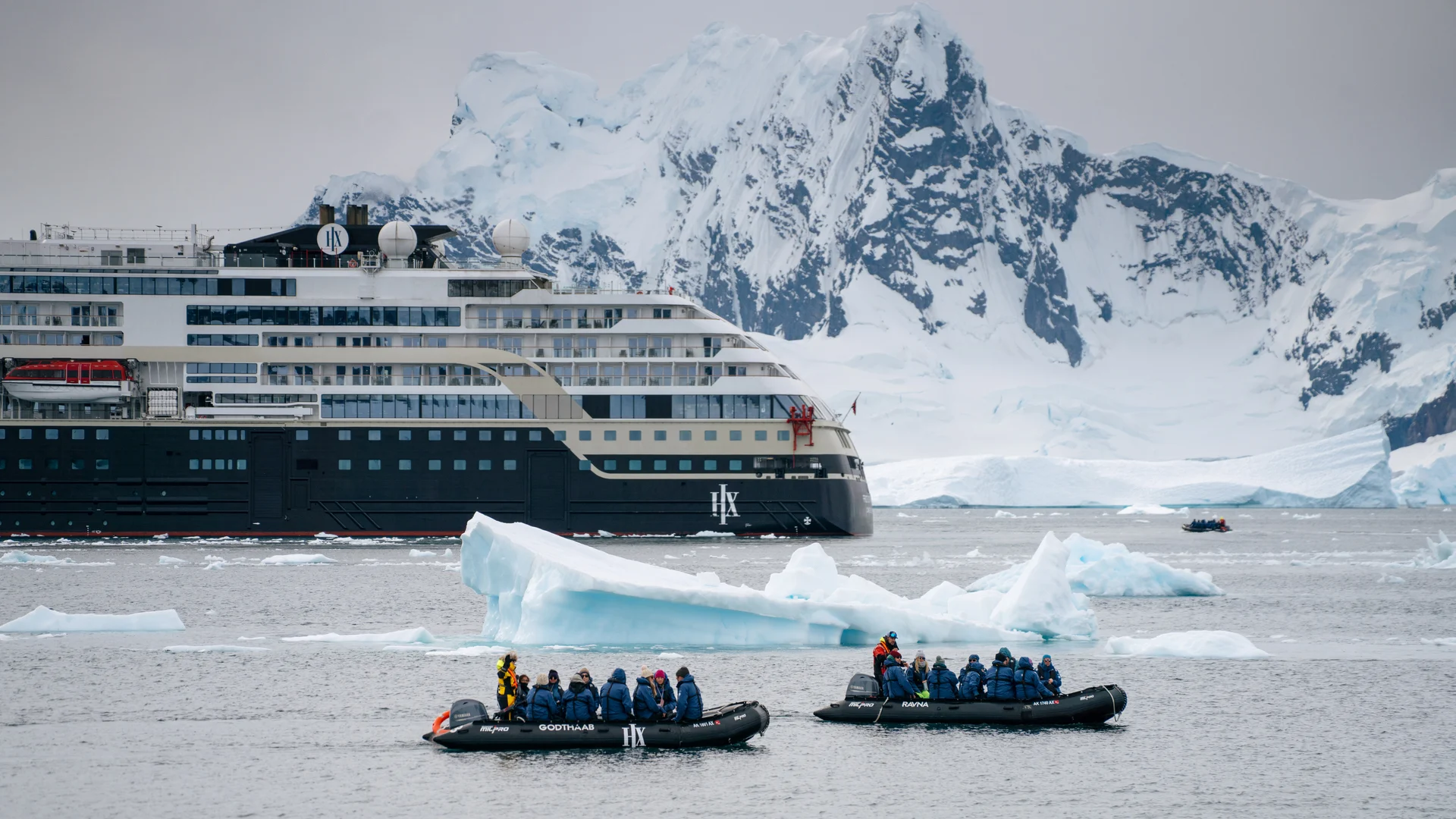
When Can I Visit Antarctica?
Antarctica operates on a tight window. The visitor season runs from mid-October through March, when the austral summer brings longer days and temperatures that make ship travel and landings possible. Each part of the season offers a slightly different experience:
Mid-October to early December:
Antarctica at its most pristine. Winter ice begins to loosen, revealing sculpted icebergs and wide expanses of untouched snow. Penguin colonies come alive with courtship activity as adults return to nest. Long, lingering sunsets paint the skies. Ideal for photographers and travellers who value crisp, quiet landscapes.
Mid-December through February:
This is peak season. Wildlife activity ramps up along the Antarctic Peninsula. Penguin chicks hatch and grow, seal pups appear on the ice, and humpback whales arrive to feed in nutrient-rich waters. Temperatures are milder, making small boat ‑cruising and shore landings particularly rewarding. This is also the busiest period, with ships often at full capacity.
Late-February and March:
Favoured by whale enthusiasts. As sea ice retreats, ships can reach areas inaccessible earlier in the season. Whale sightings typically increase, and fewer ships are on the water, appealing to repeat polar travellers.
For a full month-by-month breakdown, read here.

How to Get to Antarctica
There’s no commercial airport you can simply fly into. Reaching Antarctica is part of the adventure, and most travellers follow a well-established route through South America:
From the UK: Most travellers fly from London to Buenos Aires, then connect to Ushuaia — the world’s southernmost city — where expedition ships depart.
From the US: Common routes connect via Miami, Dallas, or Houston to Buenos Aires, followed by a domestic flight to Ushuaia.
From Germany: Travellers typically depart from Frankfurt or Munich to Buenos Aires, before continuing south to Ushuaia.
HX expeditions to Antarctica usually start in Ushuaia, where you’ll board the ship and begin the Drake Passage crossing toward the Antarctic Peninsula. When you travel with us, flights from Buenos Aires to Ushuaia or Punta Arenas are included in the price of your cruise.
What is Expedition Cruising?
Expedition cruising is about exploring the world’s most remote places in a more immersive way. Traditional cruise ships tend to be larger and follow a set itinerary, while expedition vessels are smaller. This means it’s easier to access remote areas and untouched shores, particularly in Antarctica, where strict IAATO regulations limit large ships to scenic cruising only.
As HX guest Jim puts it, “It really is an exploration… you’re going to all these out-of-the-way places that most cruise ships simply can’t reach.”
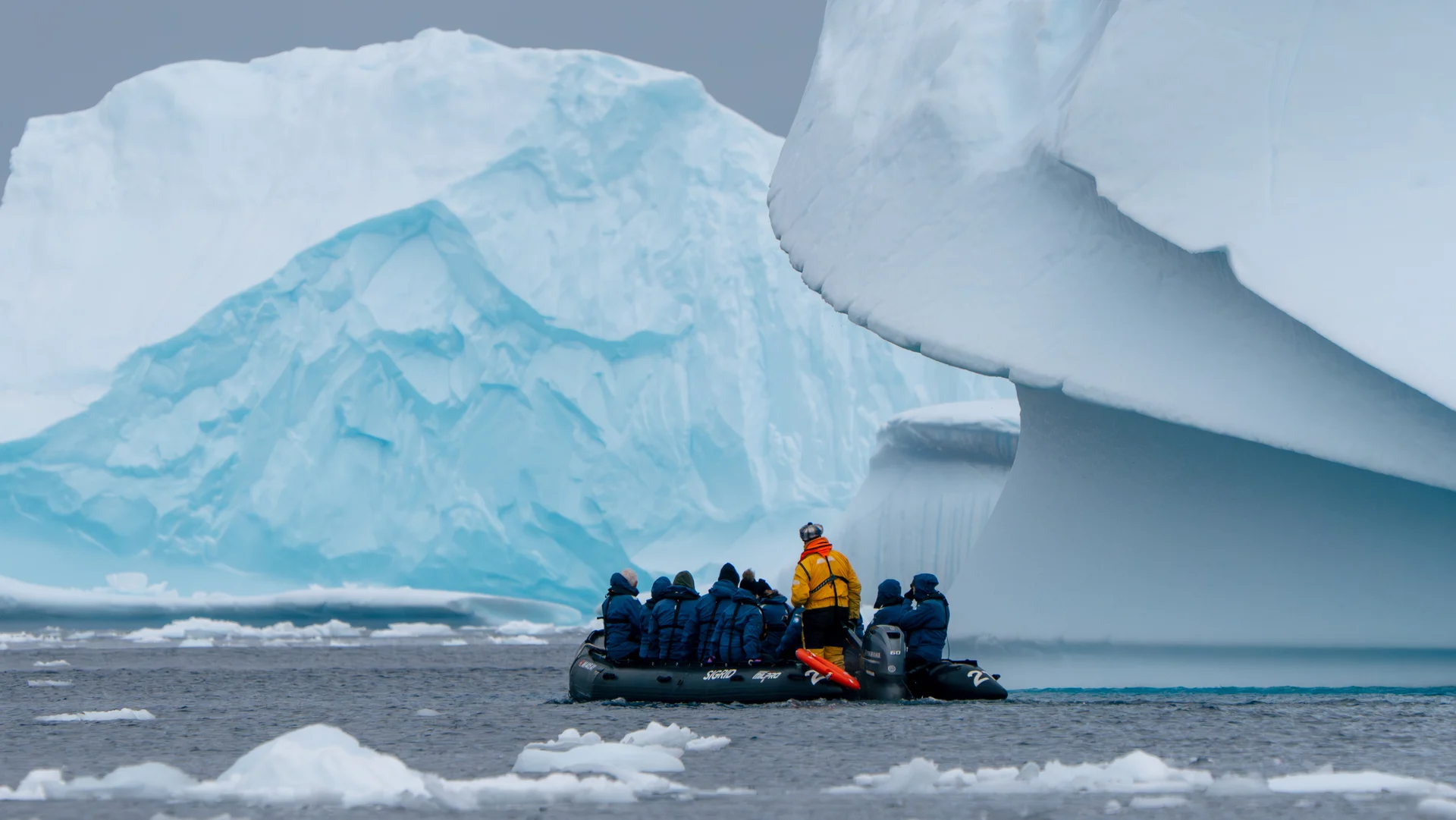
The HX Experience
At the core of the experience we offer at HX is the belief that Antarctic exploration should be shaped by nature itself. Each day is guided by changing sea and ice conditions, wildlife sightings, and weather, allowing our Expedition Team to adapt plans and make the most of every opportunity.
You might head out on our small boats and cruise past icebergs, kayak alongside whales, step ashore to see vast penguin colonies, or join Expedition Team members to collect water samples to assess the abundance of zooplankton and phytoplankton under the microscope back on board or as they analyse whale and seal activity.
Meet the Fleet
Expedition cruising done right is a balance of adventure, comfort, and curiosity. HX ships are designed for exactly that; agile enough to reach remote shores, yet a stable, stylish base with plenty of facilities.
We operate three expedition ships in Antarctica: MS Fram, MS Fridtjof Nansen and MS Roald Amundsen. The latter two are larger, hybrid-powered ships, where guests can enjoy a range of multiple restaurants; panoramic lounges; wellness facilities including hot tubs, a sauna, and spa for massage and beauty treatments; and quiet places to unwind after a day in the field. Fram is our smaller and more intimate expedition ship that offers a more closer-knit, atmosphere. Voyages on Fram in Antarctica explore further afield on longer, more in-depth itineraries across the Southern Ocean.
MS Roald Amundsen
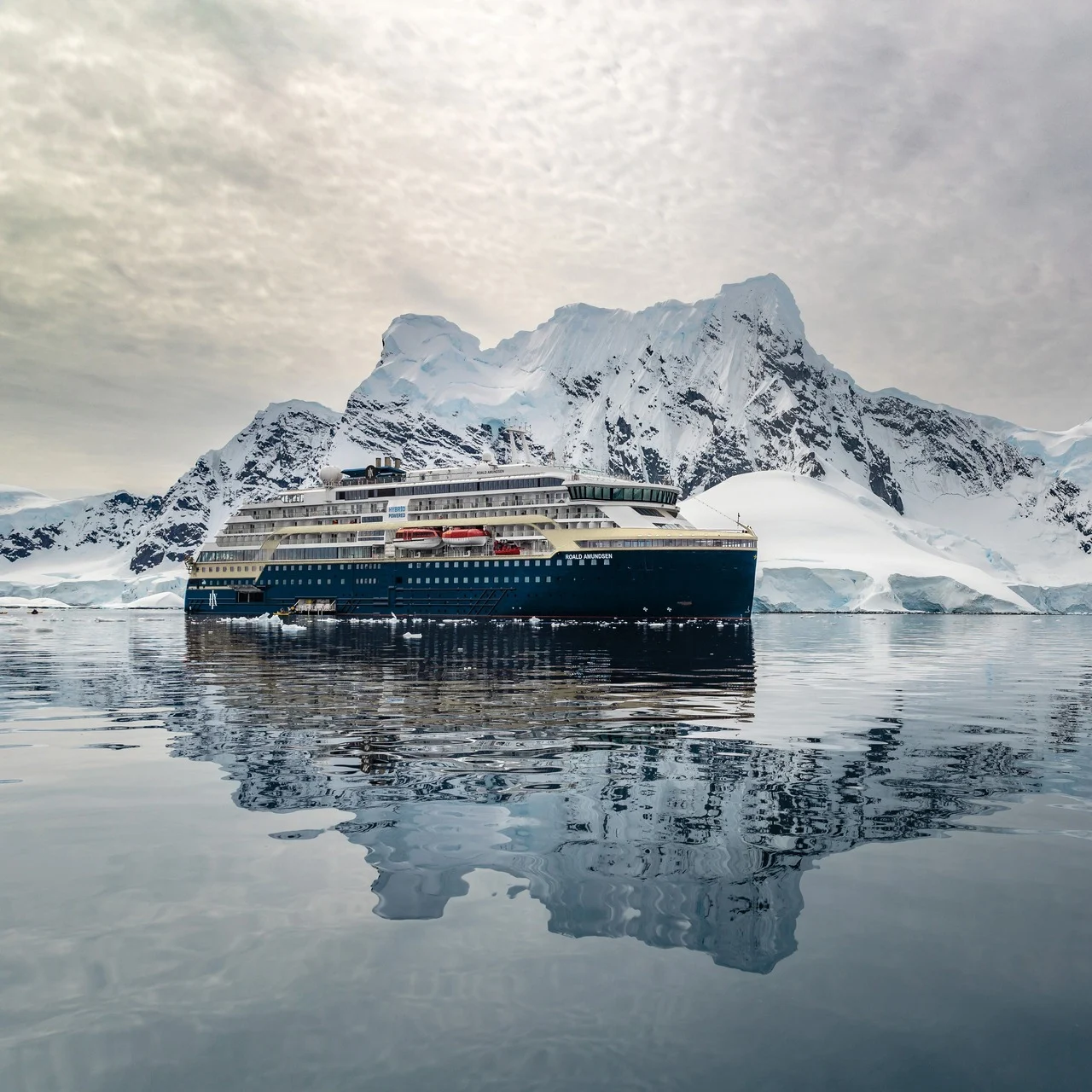
MS Fridtjof Nansen

MS Fram

How Long Does an Antarctica Expedition Take?
Different providers of Antarctic expeditions offer various itineraries, ranging from around 10 days to one month. At HX, our expeditions range between 12 to 24 days, including flight time from Buenos Aires.
Depending on how much time you have, you can either opt for a shorter voyage that goes from the tip of South America to the Antarctic Peninsula and back, or choose a longer voyage and explore more of the Southern Ocean.
Shortest itineraries: Highlights of Antarctica, our shortest expedition cruise lasts about 12 days. It’s a round-trip from Ushuaia, crossing the Drake Passage, with roughly five days exploring the continent.
Longer itineraries: We offer routes that include the Falkland Islands, South Georgia, or Patagonia. The duration depends on your available time, destinations of interest, and the month of travel.
How Much Does It Cost to Visit Antarctica?
Depending on the operator you choose for your Antarctica expedition cruise, prices range widely from £6,000 to £100,000 per person. There are lots of factors that influence the price, including the ship size and crew ratio, the length of the voyage, the time of year, and what’s included in your package.
When you travel with HX, expedition cruises are all-inclusive, covering everything from small boat cruising and landings and our onboard Science & Education Programme to meals and drinks. You also have the option to book your flights from your home departure point with us.
Broadly speaking, HX prices range from £8,000 to £20,000 per person.

Why Visit Antarctica?
This question has infinite answers. For our top nine reasons, read here.
In short:
Wildlife encounters:
Stunning landscapes:
Sense of scale and isolation:
Adventure:
Scientific and historical interest:
Ready to Explore the Frozen Continent?
For more information, read our Antarctica travel guide.
We also host webinars led by some of our experts, learn more.


