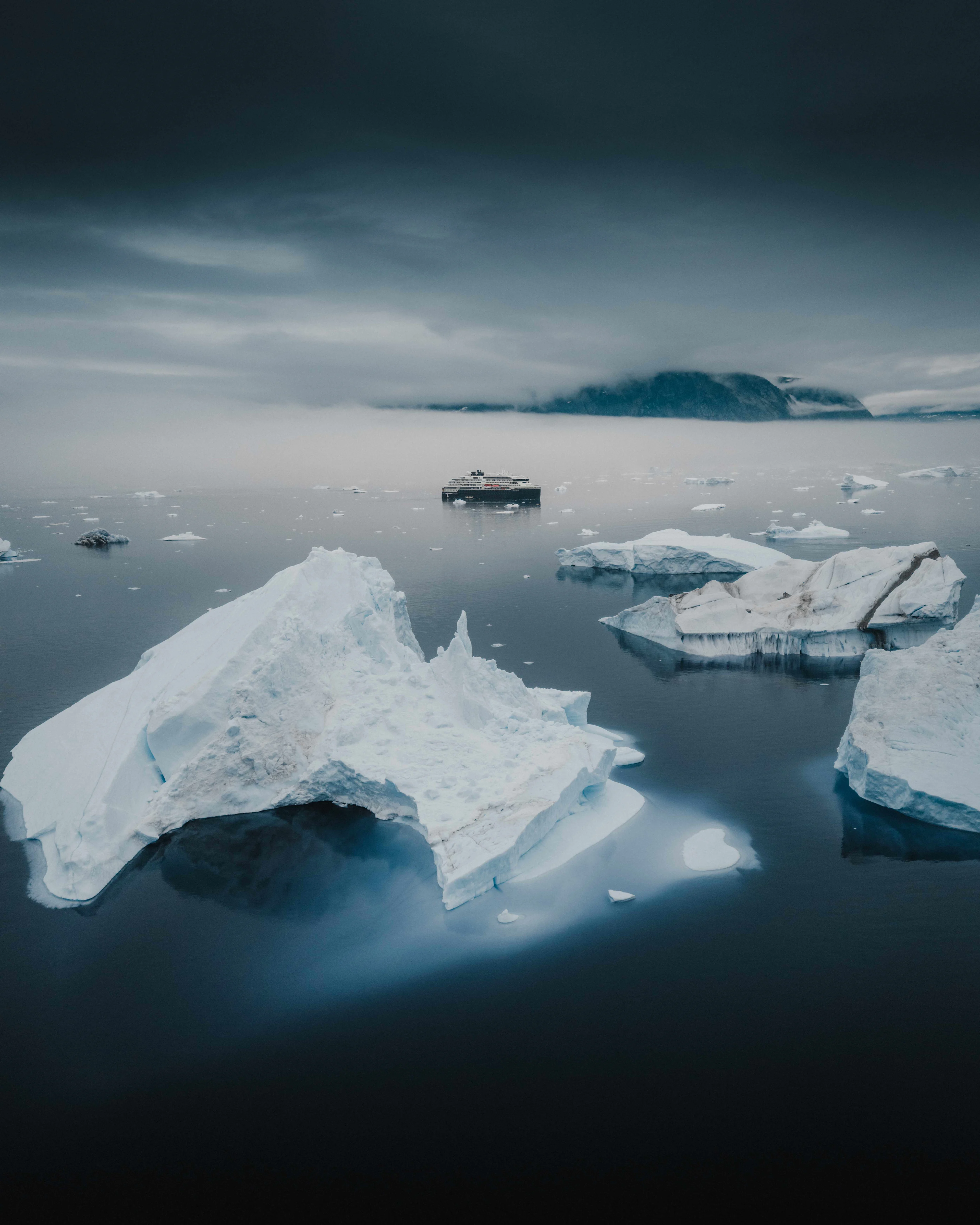
HX & Scripps Institution of Oceanography
Discover how HX and Scripps Institution of Oceanography's IceEco project investigates how melting glaciers and icebergs influence marine life along Greenland.
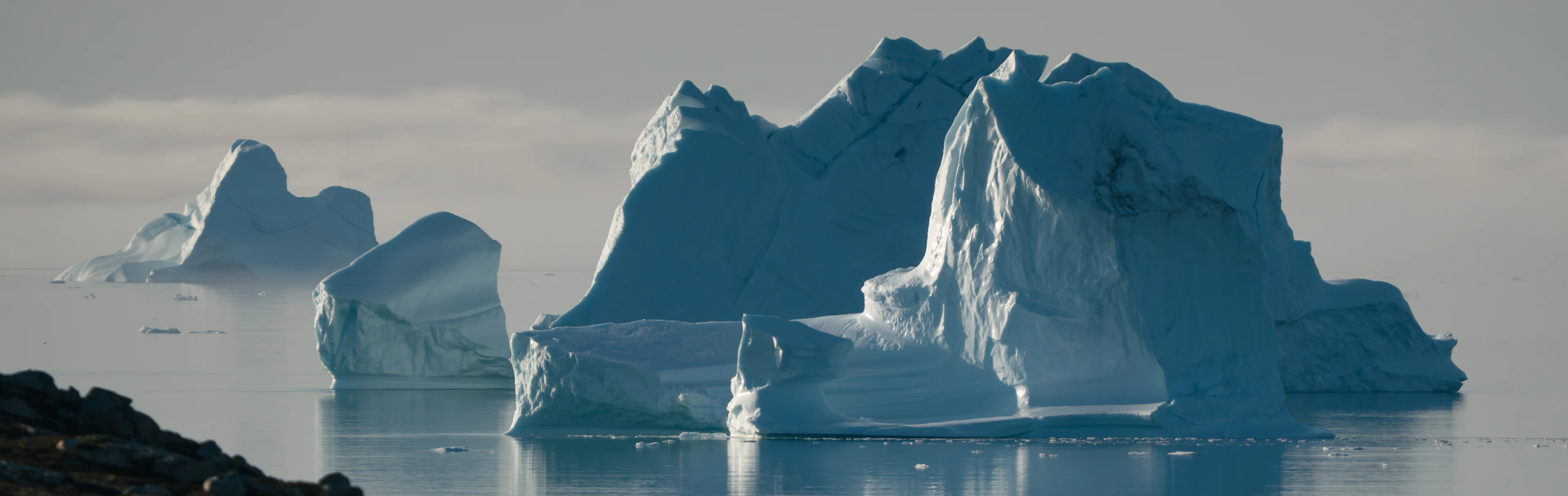
HX collaborates with the Scripps Institution of Oceanography at the University of California San Diego through the Iceberg Ecosystems (IceEco) project, investigating how melting glaciers and icebergs influence marine life along Greenland's coast.
Building on years of polar research in Antarctica, the project combines oceanographic measurements, satellite observations and citizen science to better understand how freshwater from Greenland's ice sheet affects the productivity and biodiversity of Arctic coastal waters. Through this collaboration, HX expedition ships provide access to remote research locations while giving guests opportunities to participate directly in scientific discovery.

Iceberg Ecosystems: Understanding the relationship between ice, oceans and marine life
Greenland's glaciers release enormous quantities of freshwater into the surrounding ocean, both through glacial runoff and the icebergs that break away from the ice sheet. As these icebergs drift and melt, they can change seawater temperature, salinity, nutrient availability and the amount of sunlight penetrating the water.
These changes can influence phytoplankton, the microscopic organisms that form the foundation of marine food webs and support everything from zooplankton and fish to seabirds and whales.
Led by Drs. Maria Vernet and Rick Reynolds at Scripps, the IceEco project investigates how icebergs and glacial meltwater influence life in fjords, particularly phytoplankton abundance and diversity at the base of the local food web and seabirds as high level predators that depend on seasonal productivity in Greenland's coastal waters.
The project builds on the scientific foundations of FjordEco and FjordPhyto, earlier Antarctic research initiatives examining how glacial meltwater affects polar fjord ecosystems.
IceEco extends this research into the Arctic, with a particular focus on the influence of icebergs themselves. Icebergs melt and mix surface waters as they drift along the fjords towards the open ocean, providing needed nutrients from depth.
By combining measurements collected directly from the ocean with satellite imagery, researchers are working to understand how freshwater and icebergs affect marine ecosystems across different locations and seasons.
Early findings from Disko Bay suggest that the timing of iceberg abundance and phytoplankton concentration may be connected, with peak iceberg abundance occurring, on average, around 24 days after the spring phytoplankton bloom. Researchers are also investigating how changing water clarity and iceberg conditions may influence the distribution and feeding behaviour of seabirds. These preliminary findings are helping scientists explore how Greenland's coastal ecosystems may respond to continued environmental change.

HX & IceEco: Turning expedition voyages into opportunities for ocean research
Through the collaboration with Scripps, MS Fridtjof Nansen serves as a platform for collecting scientific observations along Greenland's coastline, reaching areas where regular research sampling is limited.
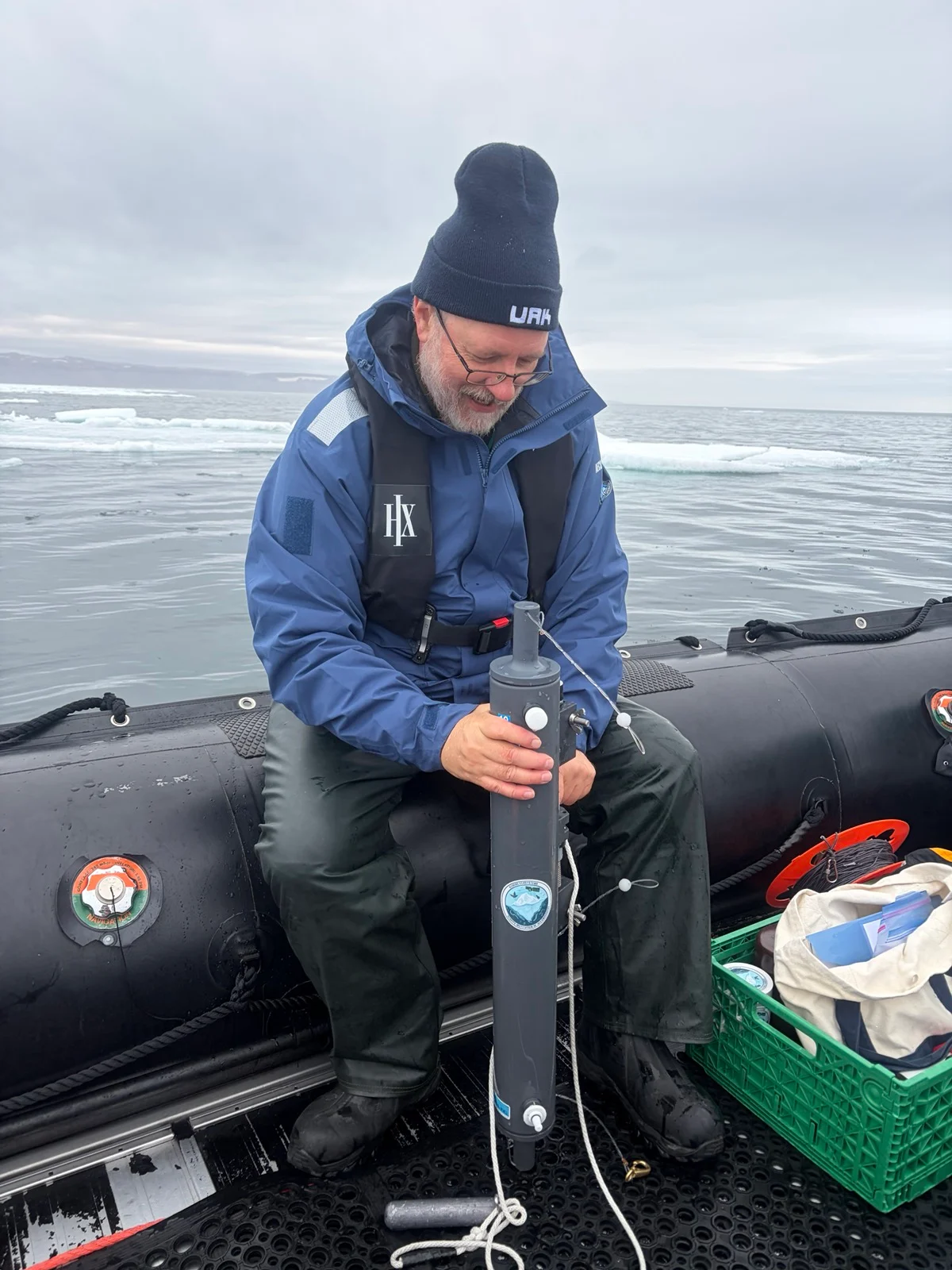
Building on observations collected during earlier HX voyages, the IceEco programme expanded its fieldwork in 2025, combining traditional oceanographic methods with accessible tools designed for citizen science.
Working alongside trained HX Expedition Teams, guests can help collect water samples, measure water clarity using Secchi discs, investigate temperature and salinity profiles, and gather phytoplankton samples for scientific analysis.
They can also contribute observations of iceberg abundance and size, using tools such as the GLOBE Observer app to help researchers compare observations made at sea with satellite measure
During the 2025 Greenland season, 164 participants contributed to sampling at 17 stations across eight locations, spanning approximately 11 degrees of latitude along Greenland's west coast.
These observations are particularly valuable because they provide direct measurements from remote coastal waters that can be used to evaluate and improve satellite-based estimates of glacial meltwater and iceberg distribution.
For guests, the experience offers a rare opportunity to explore the science behind the landscapes they are travelling through, discovering how melting ice influences life in Arctic coastal marine ecosystems.
The research continues beyond each voyage, with samples analysed by scientists and observations combined with satellite datasets to develop a more complete understanding of the environmental and its variability, including long-term change.
By bringing scientific research into the expedition experience, HX and Scripps are helping transform observations of Greenland's spectacular icebergs into valuable knowledge about the changing Arctic Ocean—and giving guests the opportunity to contribute directly to that understanding.