Kanadische Arktis – Umrundung der Baffin-Insel
21-tägige All-inclusive-Expeditions-Seereise durch die kanadische Arktis, Hin- und Rückreise ab Kopenhagen
Eine seltene Gelegenheit, eine der am wenigsten besuchten Regionen der kanadischen Arktis zu erkunden – durch die Fjorde, Meerengen, Gletscher und das Meereis rund um die Baffin-Insel.
Das ist eine echte Expedition – mit Erlebnissen wie Fahrten mit Expeditionsbooten, Anlandungen, Wanderungen durch die abgelegenen arktischen Landschaften und Besuchen in Inuit-Siedlungen.
Eine Spätsommerreise, die in Kopenhagen beginnt und endet, mit Flügen via Nuuk in Grönland.
Eine Rundreise durch die Hohe Arktis
Eine vollständige Umrundung der Baffin-Insel auf einer der komplexesten und abwechslungsreichsten Routen für Expeditions-Seereisen in der Arktis während des Spätsommers. Von Grönland in den kanadischen Arktischen Archipel und zurück führt die Reise durch tiefe Fjorde, enge Kanäle und Gebiete, in denen sich das Meereis ständig verändert.
Eine Reise voller Eis, Kultur und Verbundenheit
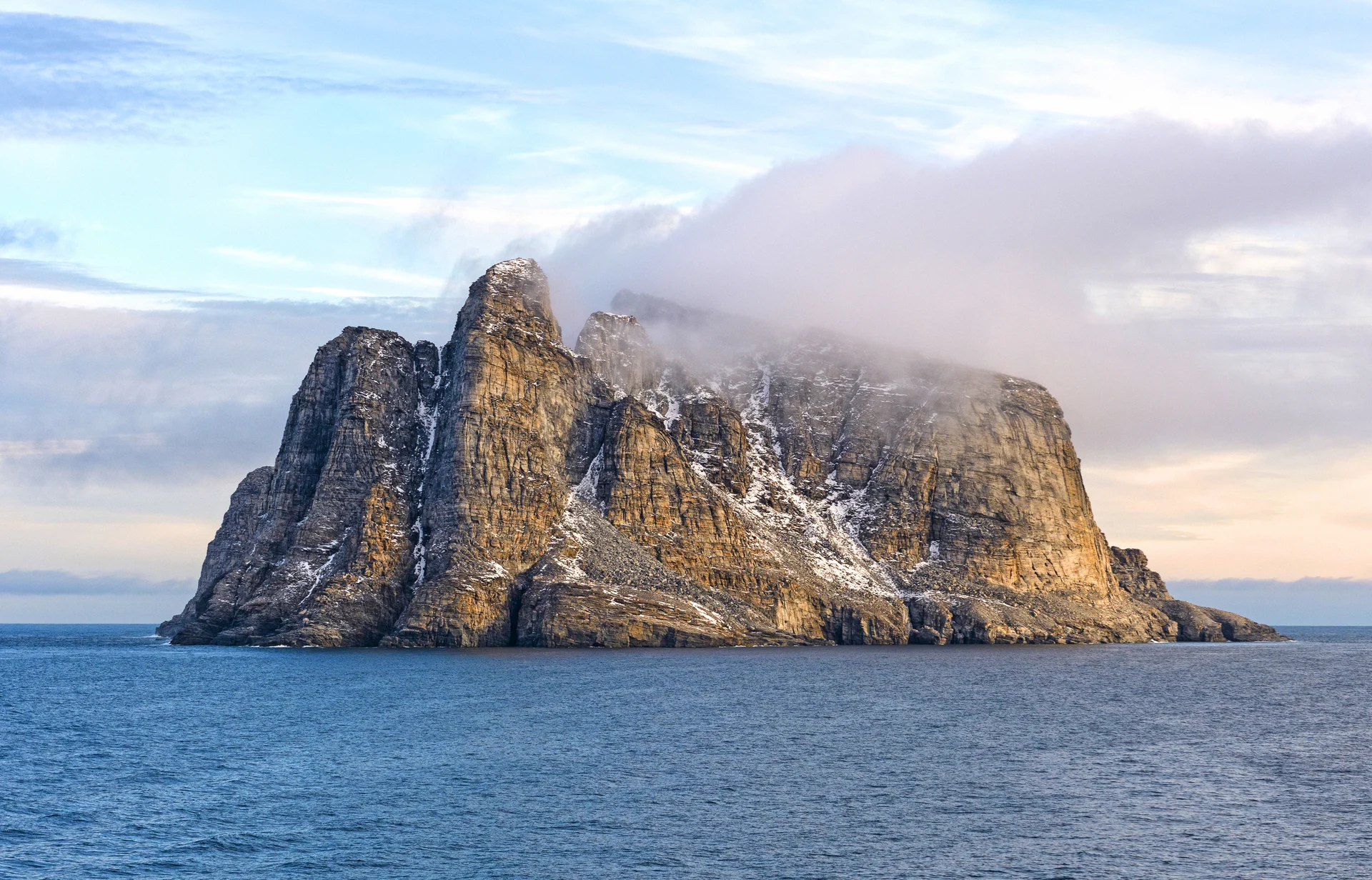
Die Baffin-Insel ist die grösste Insel Kanadas und zeichnet sich durch eine spektakuläre Landschaft aus: tiefe, von Gletschern geformte Fjorde, Eiskappen und einige der steilsten Klippen der Welt. Wir lernen die lange Geschichte der Thule-Kultur und der heutigen Inuit-Gemeinden kennen, besuchen kleine Siedlungen in Begleitung lokaler Kulturbotschafter und erleben Abenteuer bei Fahrten mit Expeditionsbooten, Anlandungen, Wanderungen und vielem mehr.
EXPEDITION Suiten:Entdeckungsreise, intensiviert
Wichtige Details zur Expedition
Reiseplan
Ihr Abenteuer auf einen Blick. Tägliche Highlights, inkludierte Aktivitäten und optionale Extras, die Ihre Reise unvergesslich machen.
Northern horizons begin here
Your voyage begins with an overnight stay in the Danish capital of Copenhagen.
Explore the charming city, packed with architectural gems, coffee shops, and parks. The colourful canal district of Nyhavn is the perfect place to people watch and grab a Danish pastry. Also, no visit to Copenhagen is complete without a visit to the Little Mermaid, the iconic bronze sculpture on the Langelinie promenade.
You’ll also have time to meet fellow travellers and the Expedition Team before your charter flight north to Greenland. This is the calm before the Arctic, where logistics will soon give way to ice, weather, and the polar unknown.

Gateway to the Greenlandic Arctic
Arrive in Nuuk, Greenland’s compact capital, set along a deep fjord system framed by rugged mountains. Despite its small scale, the city is a vibrant centre of modern Greenlandic life.
If time allows we’ll explore this fascinating city. Nuuk is also where you start to feel the essence of the Arctic: ice, sea, and the mountainous peaks of Quassussuaq and Ukkusissat.
Once on board, meet the Expedition Team, settle into your cabin, and we’ll begin the voyage north and west towards Baffin Island.

A day at sea
As Nuuk fades into the distance, we begin our first sea passage into the waters of Baffin Bay. Look out for seabirds following the ship and watch as the landscape begins to shift.
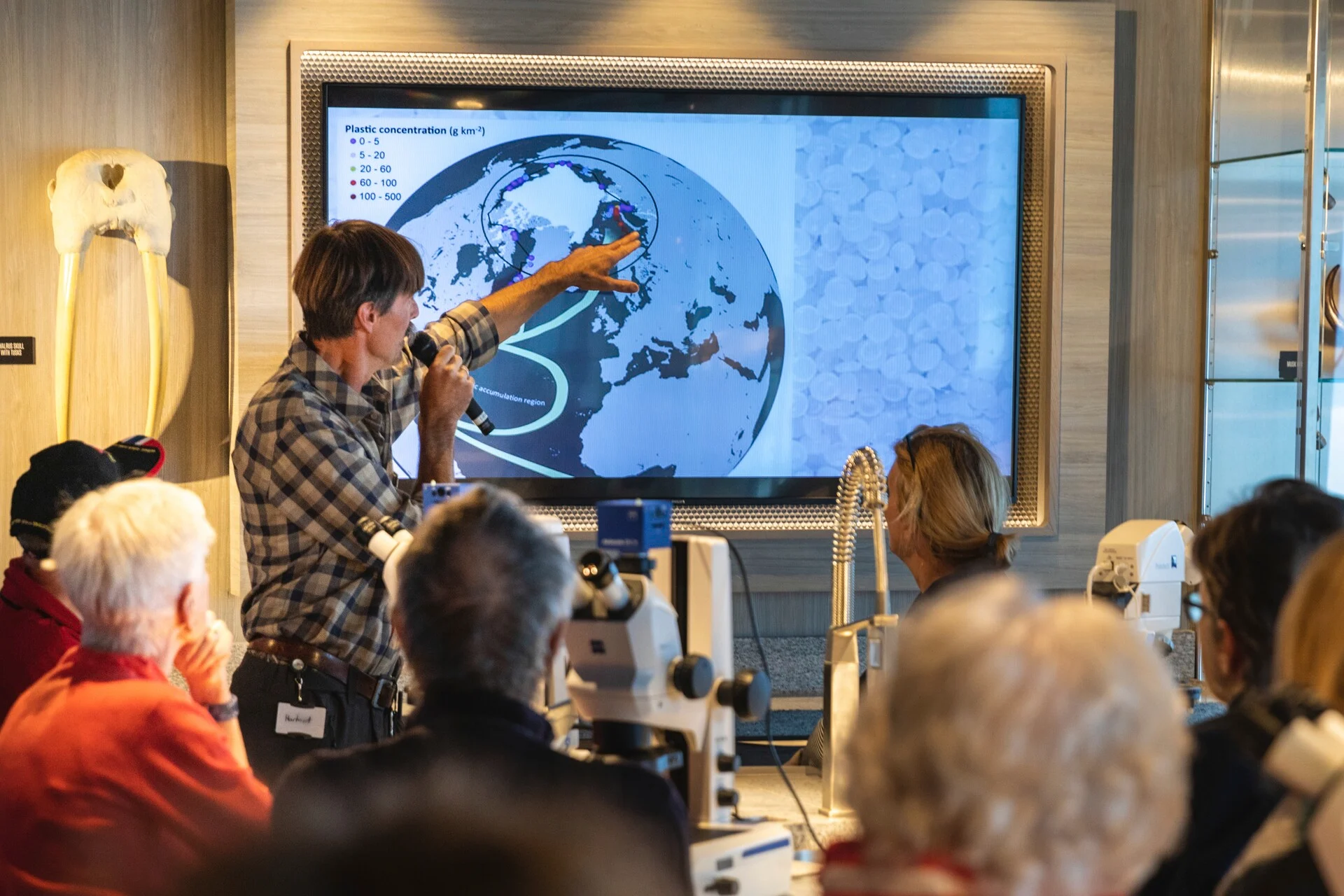
This is a time of orientation; both practical and environmental. With onboard lectures, you’ll get an introduction to ice navigation, wildlife patterns, and Arctic history, while the landscape slowly transforms from coastal Greenland into open polar seascape.
Ice-carved coasts and living Arctic communities
The eastern edge of Baffin Island reveals some of the most dramatic scenery in the Arctic: steep mountains, deep fjords, and glaciers descending directly into the sea. Sea ice often lingers here, shaping access and movement throughout the region.
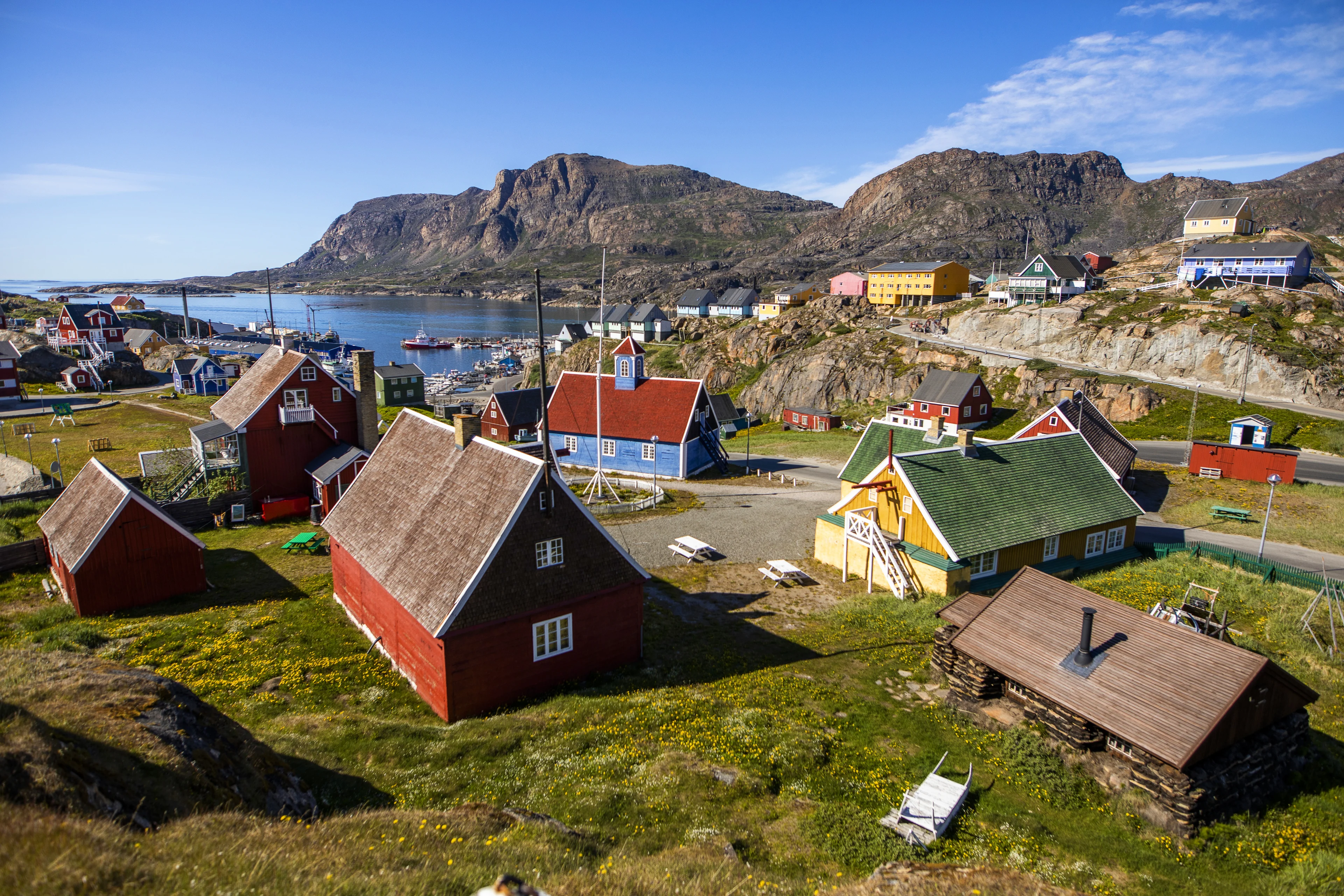
In settlements such as Qikiqtarjuaq, life is in close connection with land and sea, where hunting, fishing, and travel remain guided by environmental conditions. Zodiac cruising and shore landings, where possible, offer encounters with this immense coastal landscape and its wildlife-rich waters.

Science at sea
Time at sea allows the scale of the region to settle in. Baffin Island’s vast coastline stretches behind while new regions approach ahead. Sea conditions can shift rapidly, from open water to scattered ice, requiring constant observation and adaptation.
Onboard life continues with lectures and sessions that bring the Arctic environment into focus: how ice forms, how ecosystems function, and how navigation in these waters is shaped by nature rather than fixed routes.

Gateway to the Northwest Passage
Lancaster Sound is one of the most important waterways in the Arctic. It’s a historic entry point into the Northwest Passage. We’ll pass towering cliffs and deep channels along the coast of Devon Island, which is the largest uninhabited island on Earth. Conditions permitting, we may visit Beechey Island, an important historical site associated with early Arctic exploration, including Sir John Franklin’s 1845 expedition.
Into the shifting ice
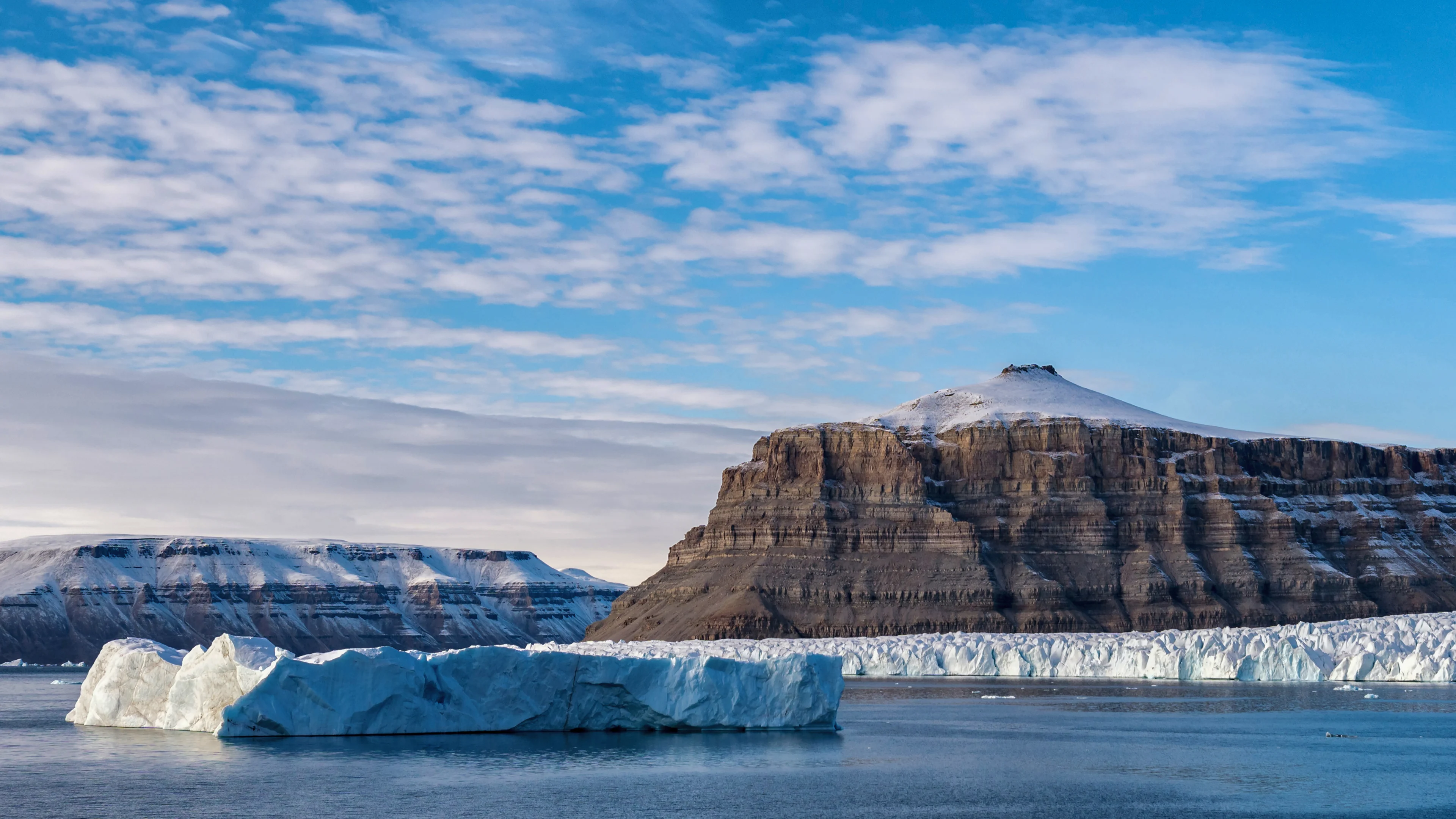
Sailing deeper into the Canadian High Arctic, the environment becomes more enclosed and remote. Prince Regent Inlet and the Gulf of Boothia are defined by long, quiet waterways, low-lying tundra, and the first patches of sea ice forming in the late Arctic autumn. With a little luck and patience, wildlife such as ringed or bearded seals may make an appearance along the ice edges.
Then we cross Fury and Hecla Strait, a narrow passage where navigation is constantly shaped by seasonal ice. Surrounded by stark, low coastlines, the water shifts between open leads and drifting pack ice as the autumn freeze begins to take hold. The surface is never uniform; cracked floes, dark channels of water, and occasional pressure ridges sliding past with the current and wind.
Our route is dictated entirely by prevailing conditions. Where openings allow, we may cruise on Zodiacs into sheltered bays, landing on remote, stony shores to explore the tundra on foot.

Wide seas and Inuit homelands
Foxe Basin opens into a vast, shallow sea bordered by low tundra and distant, broken coastline. It feels open and exposed: water and sky blending at the horizon, with few landmarks to hold onto.
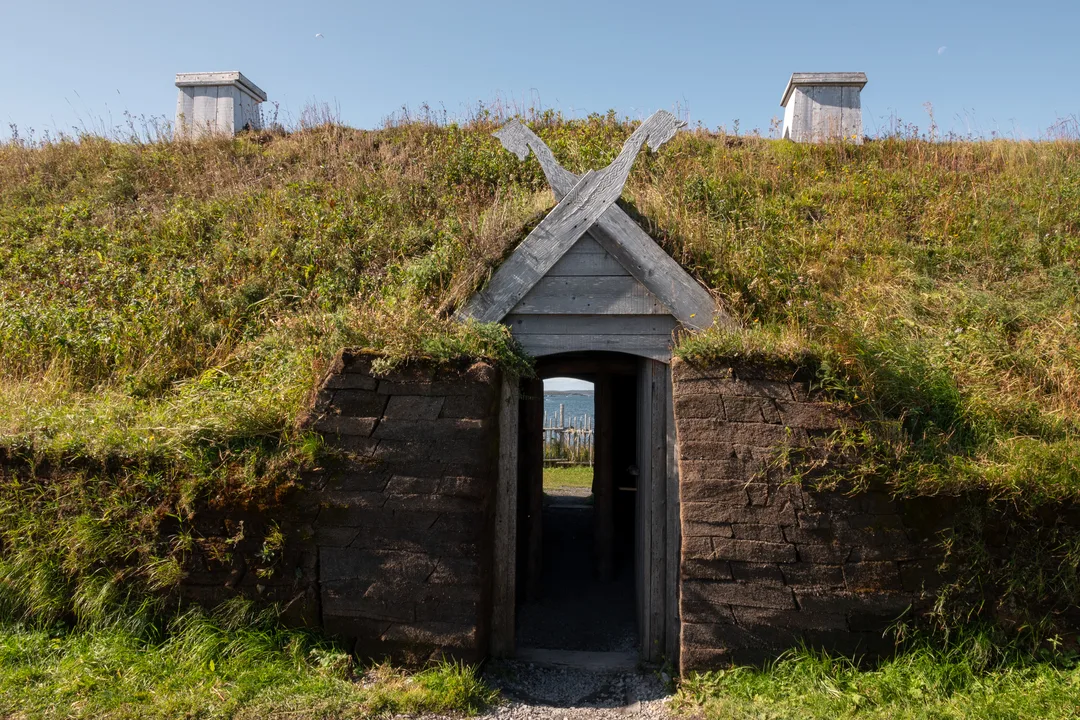
Over these few days, you move through a landscape shaped by long Thule and Inuit presence. Over 100 stone cairns called ‘inuksuit’ line the tundra at Enukso Point, some dating back 2,000 years. In Igloolik, a small hamlet literally translating as 'there is a house here', it’s easy to see how life remains closely tied to sea ice, hunting, and the seasonal rhythm of the land.

Where Arctic meets Atlantic influence
At the gateway between the Canadian Arctic and North Atlantic, Hudson Strait separates Baffin Island from northern Quebec. It’s known for strong tides, powerful currents, and fast-changing weather as wind funnels through the channel.
September and October are when the Arctic starts to shift; you begin to see drifting fragments of sea ice reappearing: sometimes remnants of older ice carried in on currents and in sheltered areas, the first thin new ice forming at the surface. It’s not winter yet, but you’re watching it arrive in real time.
We aim to call at Kinngait (Cape Dorset), one of Nunavut’s most important cultural communities, internationally known for Inuit printmaking and sculpture. Zodiac cruising and shore visits bring you close to a working Arctic coastline.

The long return through open waters
As the circumnavigation nears completion, time at sea becomes reflective. The Arctic landscapes of Baffin Island gradually recede as we move back toward Greenland. Ice becomes less dominant, replaced by longer stretches of open water and broader ocean conditions.
This is the perfect time to relax on board, perhaps chat with new friends in the Explorer Lounge & Bar, and catch up on any lectures you may have missed. If you haven’t tried the hot tubs yet, now’s your moment.

Return to Greenland’s capital
Our voyage concludes in Nuuk, marking the completion of our circumnavigation around Baffin Island. Say a fond farewell to the ship, Expedition Team, crew, and fellow travellers as you step ashore for the final time.
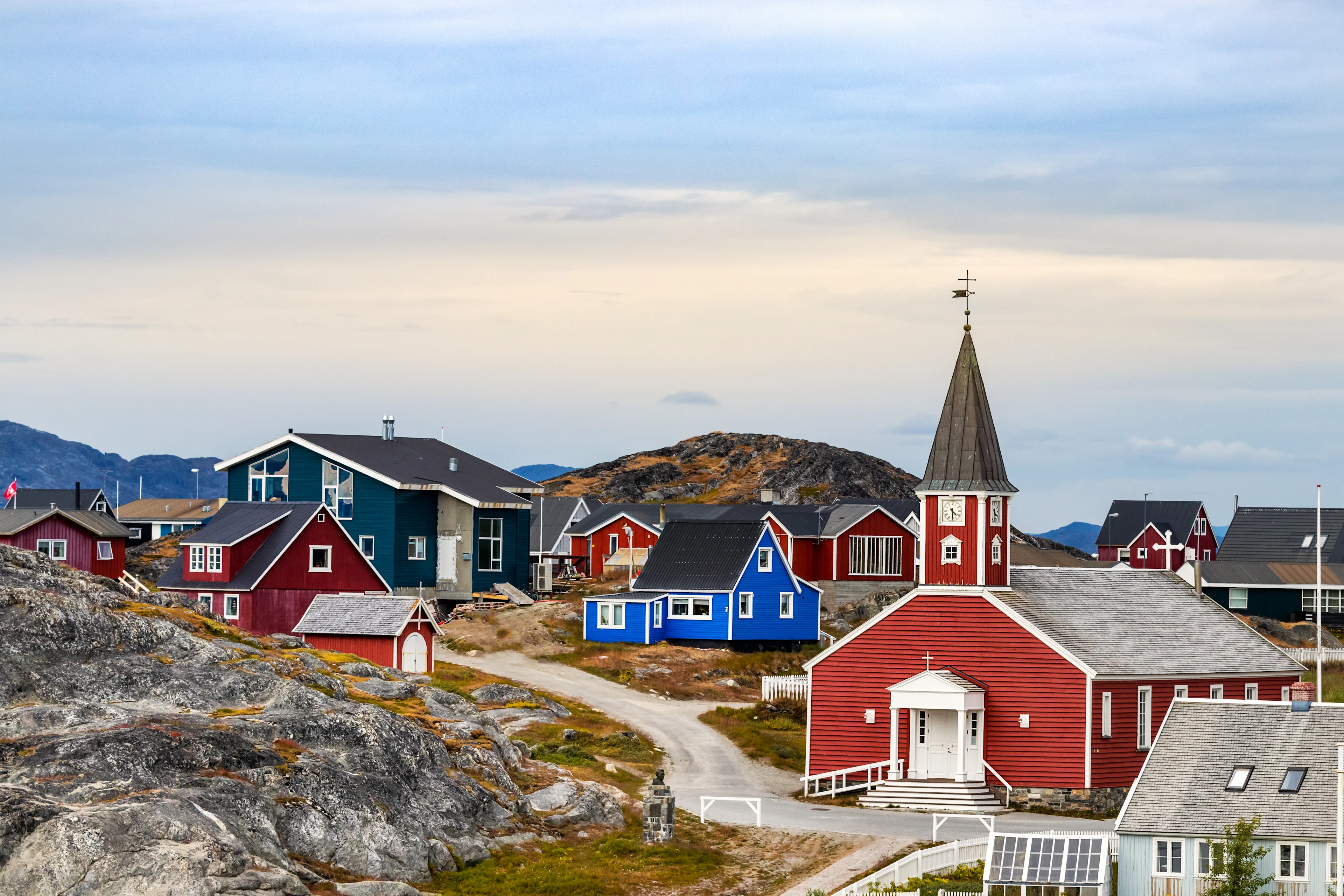
Nuuk feels like a metropolis after the remote Arctic communities you’ve visited, yet it remains closely tied to its fjord setting. Colourful houses line the water’s edge, where fishing boats, modern infrastructure, and cultural institutions sit side by side, reflecting a city balancing tradition with contemporary Greenlandic life.
Take time to explore the harbour, museums, or nearby historic areas before you fly to Copenhagen, which brings your full Arctic journey to a close.

Was ist inklusive?
Inklusive Aktivitäten
Diese Aktivitäten sind in Ihrer Reise enthalten.
Optionale Extras
Bereichern Sie Ihre Reise mit optionalen Extras. Optionale Aktivitäten können nur an Bord gebucht werden.
Unser Nordwest-Passage und kanadische Arktis schiff
Erleben Sie, wie das Leben an Bord der Schiffe aussieht, die auf dieser Route fahren.
EXPEDITION Suiten:
Entdeckungsreise, intensiviert
Wissenswertes vor Ihrer Reise

Häufig gestellte Fragen
Kann ich meine internationalen Flüge über HX buchen?
Ja. Internationale Flüge sind nicht im Standardpaket enthalten, aber unser Flugteam kann Flüge von den meisten regionalen Flughäfen arrangieren, um Sie an Ihren Einschiffungshafen zu bringen. Sie können auch eigenständig buchen — aber es gibt gute Gründe, dies uns zu überlassen.
Auf Ihre Expedition abgestimmte Flüge
Ihr Flugplan wird um die Schiffsbetriebe und die Charterflüge herum koordiniert, damit jede Etappe Ihrer Reise nahtlos mit Ihrer Expedition verbunden ist.
Unterstützung bei Planänderungen
Wenn ein Flug verspätet, annulliert oder umgebucht wird, arbeitet unser Team mit der Fluggesellschaft an Ihrer Umbuchung. Wenn eine wesentliche Planänderung bedeutet, dass Sie nicht mehr rechtzeitig an Ihrem Schiff ankommen können, arrangieren wir eine geeignete Alternative ohne zusätzliche Kosten, vorbehaltlich der geltenden Vereinbarungen.
Wenn Sie Ihre internationalen Flüge eigenständig buchen, können wir nicht bei der Umbuchung dieser Flüge helfen. Alle Änderungen und damit verbundenen Kosten liegen in Ihrer Verantwortung oder müssen möglicherweise von Ihrer Reiseversicherung abgedeckt werden. Verspätungen könnten auch Ihre Fähigkeit beeinträchtigen, rechtzeitig zu Ihrem Schiff zu gelangen.
Ein engagiertes Team, das Ihnen hilft
Unser Flugteam überwacht Ihre Reiseanordnungen und hilft bei der Bewältigung von Störungen. Wenn sich etwas ändert, arbeiten wir mit Ihnen an einer Lösung und halten Ihre Expeditionspläne auf Kurs.
Flugoptionen für Ihre Reise
Wir können Flüge von den meisten regionalen Flughäfen arrangieren, um Sie an Ihren Einschiffungshafen zu bringen. Änderungen Ihres Abflughafens und Kabine-Upgrades können ebenfalls möglich sein, vorbehaltlich der Richtlinien der Fluggesellschaft, der Verfügbarkeit und gegebenenfalls zusätzlicher Kosten.
Wer ist die AECO und warum ist sie wichtig?
Im Jahr 2003, als der Arktistourismus zunahm, schlossen sich acht Reiseveranstalter zusammen, um die „Association of Arctic Expedition Cruise Operators“ () zu gründen. HX war stolz darauf, zu den Gründungsmitgliedern zu gehören. Gemeinsam mit dem Ziel, die natürliche Umwelt, die Tierwelt, die Kulturen und die Gemeinden der Arktis zu schützen, machte sich die AECO daran, einen nachhaltigen und verantwortungsvollen Ansatz für den Tourismus in der Region zu etablieren. „Die AECO gewährleistet einen umweltfreundlichen, sicheren und verantwortungsvollen Expeditionskreuzfahrttourismus in der Arktis“ – Das ist die AECO. Erfahren Sie hier mehr über die AECO.