Tiere der Galapagos-Inseln: Die „Big 15“ und wo sie anzutreffen sind
Entdecken Sie die „Big 15" der Galapagos-Inseln – die bekanntesten Tiere des Archipels. Von den farbenprächtigen Meerechsen auf Española, den sog. „Weihnachtsechsen", bis zur Galapagos-Riesenschildkröte.
Lesedauer 1 Minuten
Inhalt dieses Artikels:
Tiere der Galapagos-Inseln Welche Tiere zählen zu den „Big 15“?
Wo Sie die Tierwelt der Galapagos-Inseln beobachten können
Die beste Zeit für die Beobachten von Wildtieren auf den Galapagos-Inseln
Tipps zur Beobachtung von Wildtieren auf den Galapagos-Inseln
Welche Wildtiere Sie bei Seereisen mit HX sehen werden
Entdecken Sie die Tierwelt der Galapagos-Inseln mit HX Expeditions
Tiere der Galapagos-Inseln Welche Tiere zählen zu den „Big 15“?
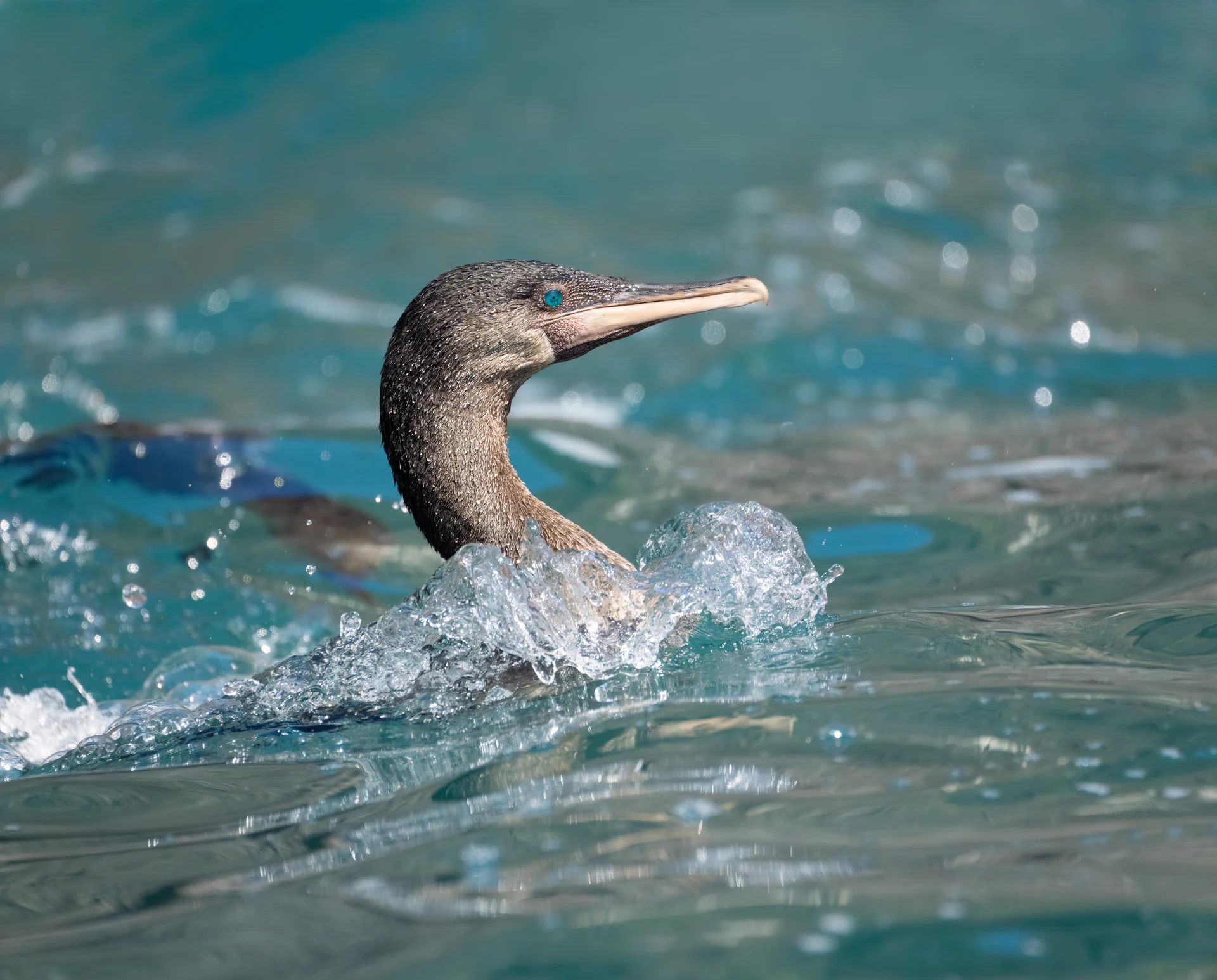
1. Galapagosscharbe
Da keine Notwendigkeit zu fliegen bestand, hat sich die flugunfähige Galapagosscharbe zu einem kräftigen Schwimmer mit kurzen Flügeln und starken Beinen entwickelt. Der zur Familie der Kormorane gehörende Vogel fängt seine Nahrung – Fische, Tintenfische und Aale – Unterwasser in den vulkanischen Riffen.
Die flugunfähigen Galapagosscharben sind am häufigsten auf der Insel Fernandina und an der Westküste der Insel Isabela anzutreffen, insbesondere an felsigen, mit Lavabrocken übersäten Ufern. Sie können das ganze Jahr über beobachtet werden. Der Höhepunkt der Brutzeit liegt jedoch in den kühleren Monaten (Mai bis Oktober). Halten Sie Ausschau nach dunklen, langhalsigen Vögeln, die auf niedrigen Felsen in der Nähe des Meeres sitzen und nach einem Tauchgang oft ihre Flügel zum Trocknen ausbreiten.
Interessant ist auch:
Männliche und weibliche Vögel wechseln sich beim Brüten ab. Sobald die Küken unabhängig genug sind, verlässt das Weibchen das Nest und sucht sich einen anderen Partner, während sich das Männchen weiter um die Jungen kümmert.
2. Rotfußtölpel
Rotfußtölpel sind wesentlich seltener als Blaufuß- und Nazcatölpel. Diese flinken und weit reisenden Vögel können auf der Suche nach Nahrung bis zu 140 km zurücklegen und mit hoher Geschwindigkeit und Präzision nach Fischen tauchen.
Rotfußtölpel lassen sich am besten auf den Inseln San Cristóbal und Genovesa, der „Vogelinsel“, beobachten. Sie nisten bevorzugt in Sträuchern und niedrigen Bäumen. Je nach Nahrungsangebot kann man ihnen das ganze Jahr über beim Brüten zusehen. Halten Sie Ausschau nach ihren unverwechselbaren roten Füßen und dem hellblauen Schnabel. Sie sitzen oft in Bäumen oder kreisen über den Klippen.
Interessant ist auch:
Dies ist die einzige Tölpelart auf den Galapagos-Inseln, die auf Bäumen und nicht auf dem Boden nistet.

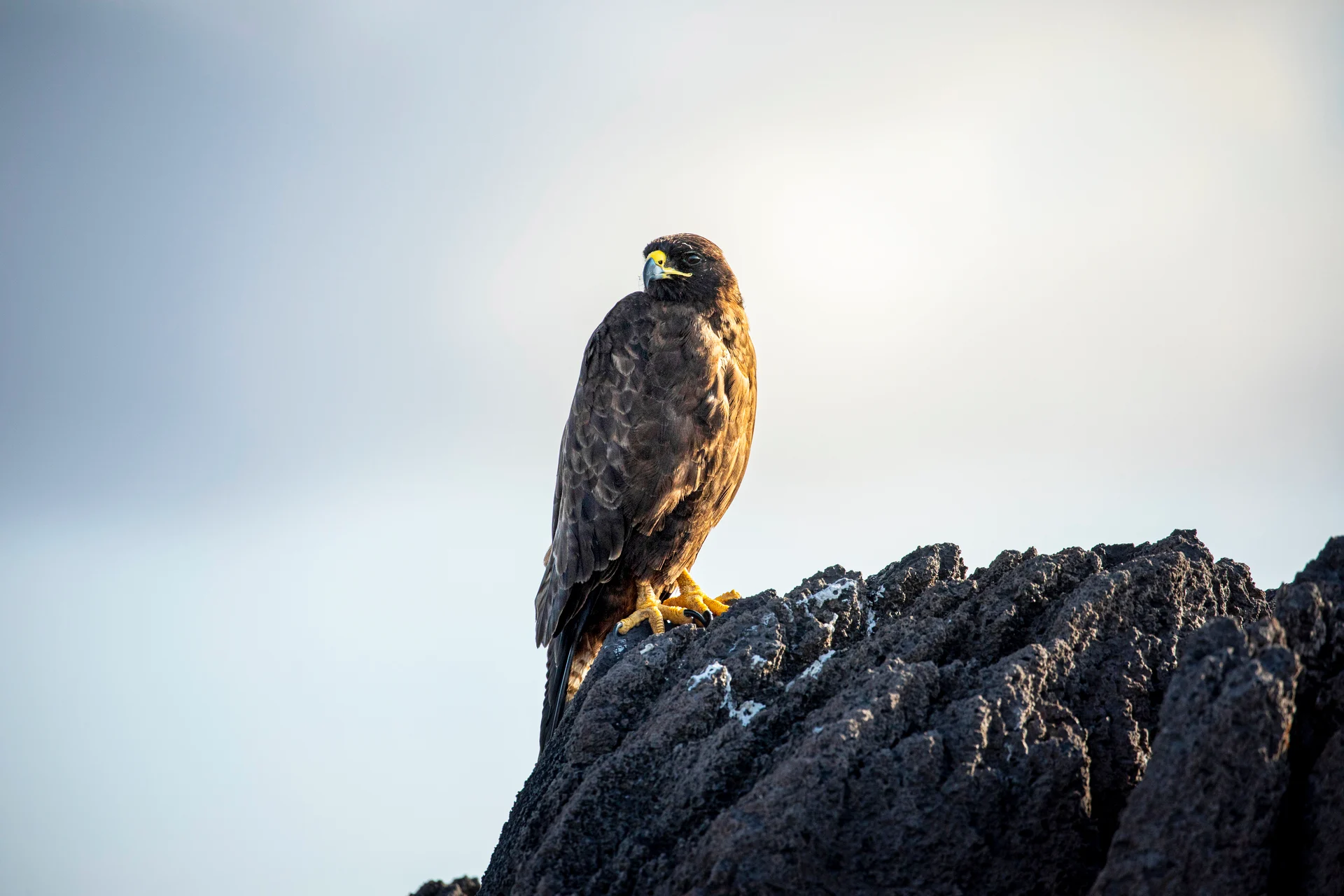
3. Galapagos-Bussard
Der Galapagos-Bussard ist der wichtigste Raubvogel auf den Inseln. Er jagt kleinere Vögel, Eidechsen und junge Schildkröten. Diese imposanten Vögel haben eine dunkle Farbe, breite Flügel und einen kräftigen Körperbau. Die Art ist nur auf den Galapagos-Inseln heimisch und hat weltweit nur eine sehr begrenzte Population, was ihre Sichtung umso besonderer macht.
Am ehesten sieht man Galapagos-Bussarde auf Inseln wie Isabela, Santiago und Española, typischerweise in offenem, trockenem Gelände. Sie können zu jeder Jahreszeit beobachtet werden. Halten Sie Ausschau nach einzelnen Vögeln, die auf Lavafelsen sitzen oder langsam am Himmel kreisen.
Interessant ist auch:
Sie jagen oft in Gruppen – ein ungewöhnliches Verhalten für Raubvögel. Auf diese Weise gelingt es ihnen, größere oder flinkere Beutetiere zu erlegen.
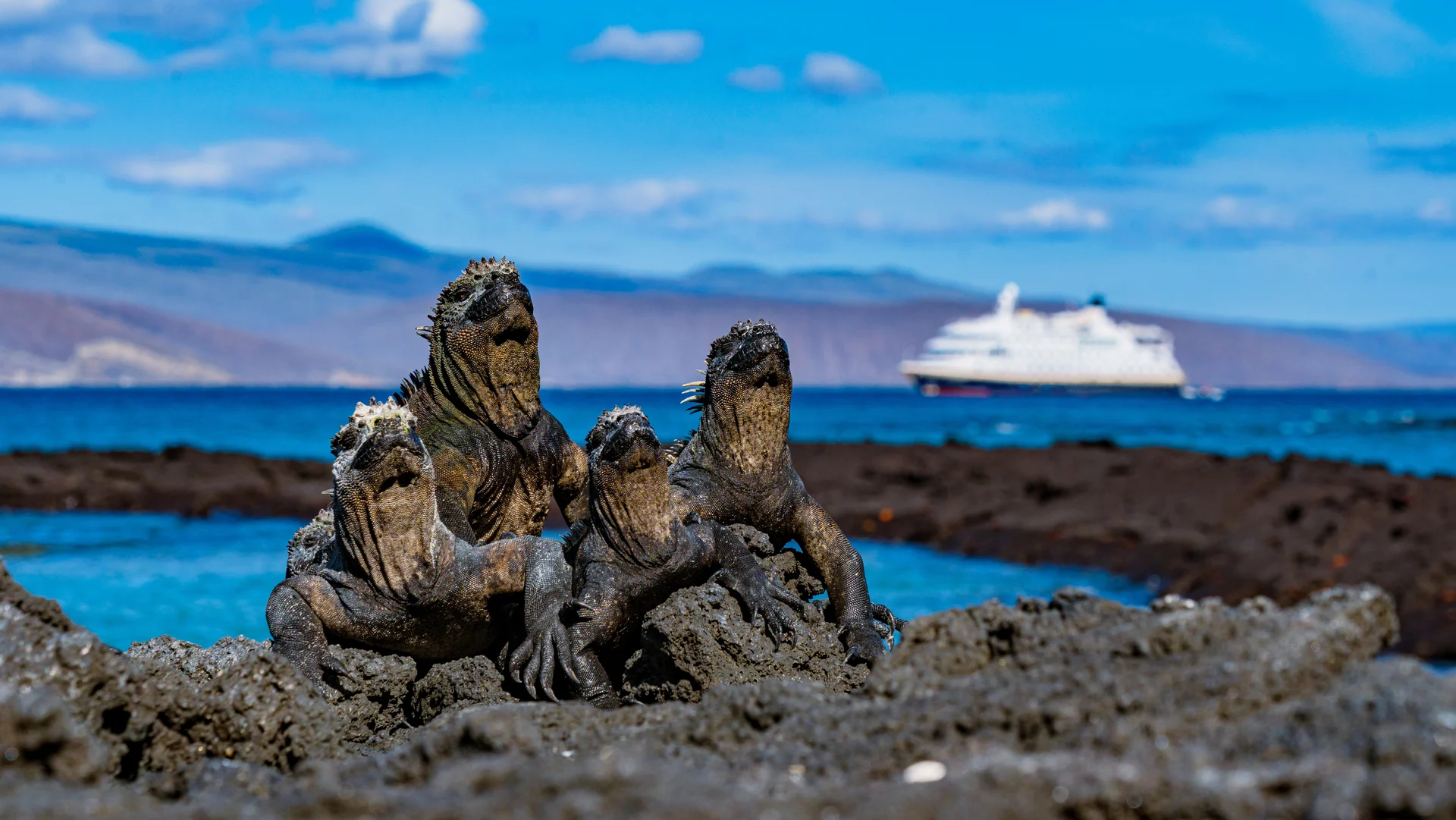
4. Meerechse
Diese Tiere können ihre Farbe wechseln und gehen sowohl über als auch unter der Wasseroberfläche auf Nahrungssuche. Ihre Hauptnahrungsquelle sind Algen, die sie von den Felsen und Riffen entlang des Ufers abweiden.
Diese nur auf den Galapagos-Inseln vorkommende Art ist die einzige Echse weltweit, die Unterwasser frisst, indem sie sich an Felsen festklammert, während die Wellen tosen.
Meeresechsen sind das ganze Jahr über in weiten Teilen des Archipels anzutreffen, vor allem auf den Inseln Fernandina und Española, wo sie sich in großen Gruppen versammeln und sich gemeinsam in der Sonne sonnen, um nach Tauchgängen im kalten Meer wieder Wärme zu tanken.
Interessant ist auch:
Sie scheiden überschüssiges Salz durch Niesen über spezielle Drüsen aus, weshalb sie oft eine weiße Kruste um die Nase haben.

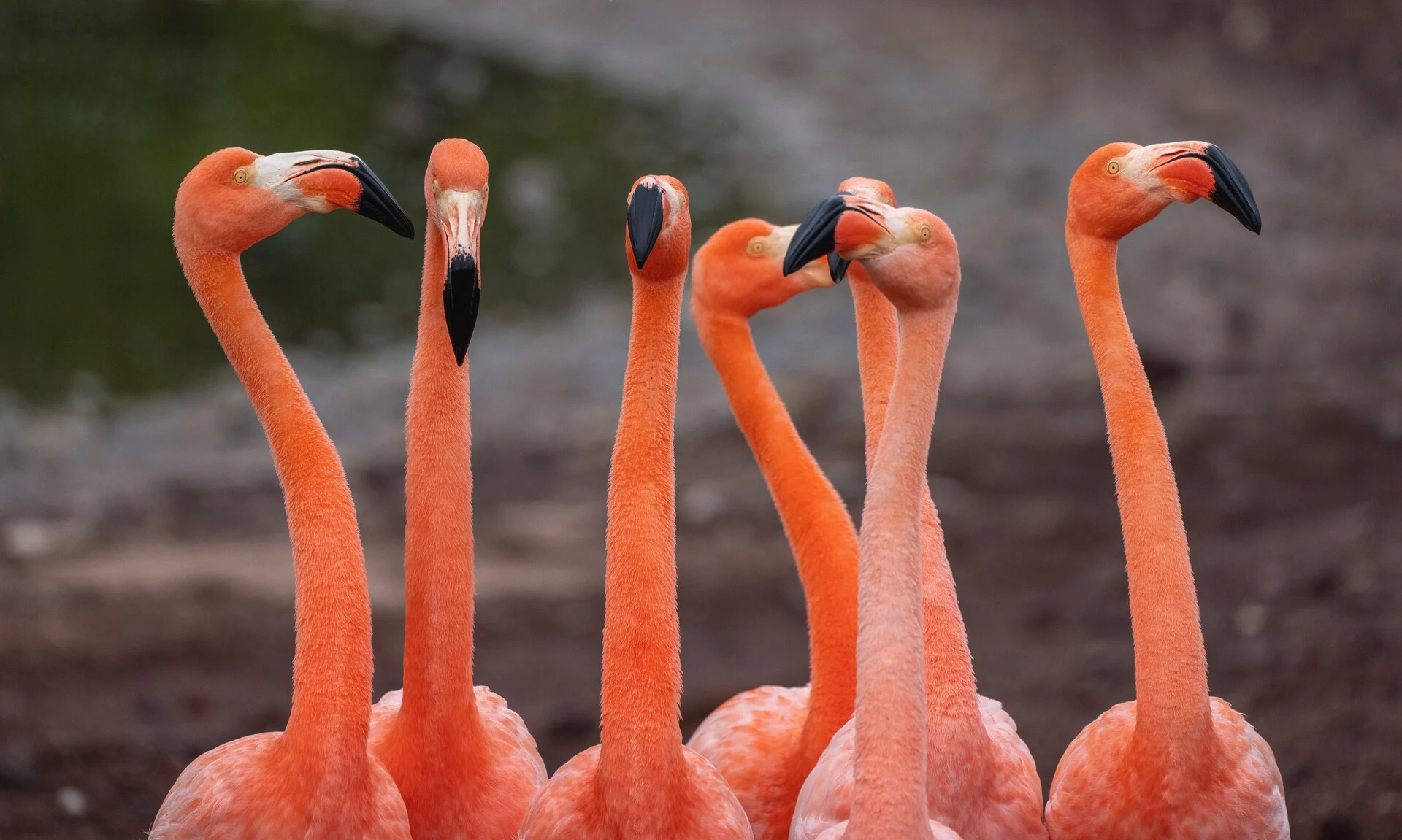
5. Kubaflamingo
Der Kubaflamingo ernährt sich von Krabben und anderen kleinen Krustentieren. Deshalb weist dieser Vogel eine der leuchtendsten Farben aller Arten auf den Galapagos-Inseln auf. Obwohl die Vögel bis zu einem Meter groß werden, sind sie mit einem Durchschnittsgewicht von etwa 2,7 kg erstaunlich leicht. Man sieht sie oft auf einem Bein balancieren, was vermutlich dazu dient, die Körperwärme stabil zu halten.
Die kleine Population von Kubaflamingos der Galapagos-Inseln ist vor allem auf Floreana anzutreffen, wo seichte Lagunen ideale Futterplätze bieten. Zu jeder Jahreszeit kann man Gruppen von Flamingos dabei beobachten, wie sie durch ruhige, salzhaltige Gewässer waten und ihre Schnäbel hin- und herbewegen, um Nahrung aus dem Wasser zu filtern.
Interessant ist auch:
Ihre rosa Farbe stammt von Pigmenten in ihrer Nahrung. Ohne sie würden ihre Federn einen viel blasseren Farbton aufweisen.
6. Galapagosalbatros
Der Galapagosalbatros kommt ausschließlich auf der Insel Española vor und gehört zu den Arten, die auf den Galapagos-Inseln am schwierigsten zu beobachten sind. Der größte Vogel der Region erreicht eine Flügelspannweite von bis zu einem Meter und kann bis zu 5 kg wiegen.
Die anmutigen Vögel kehren während der Brutzeit, die normalerweise zwischen April und Dezember stattfindet, nach Española zurück. Die Paare versammeln sich auf offenem Gelände, wo sie ihr komplexes Balzritual vollziehen, zu dem Schnabelgeklapper, Verbeugungen und synchronisierte Bewegungen gehören.
Interessant ist auch:
Sie verbringen einen Großteil ihres Lebens auf dem Meer und können Tausende von Kilometern zurücklegen, wobei sie jedes Jahr zum selben Partner und Nistplatz zurückkehren.

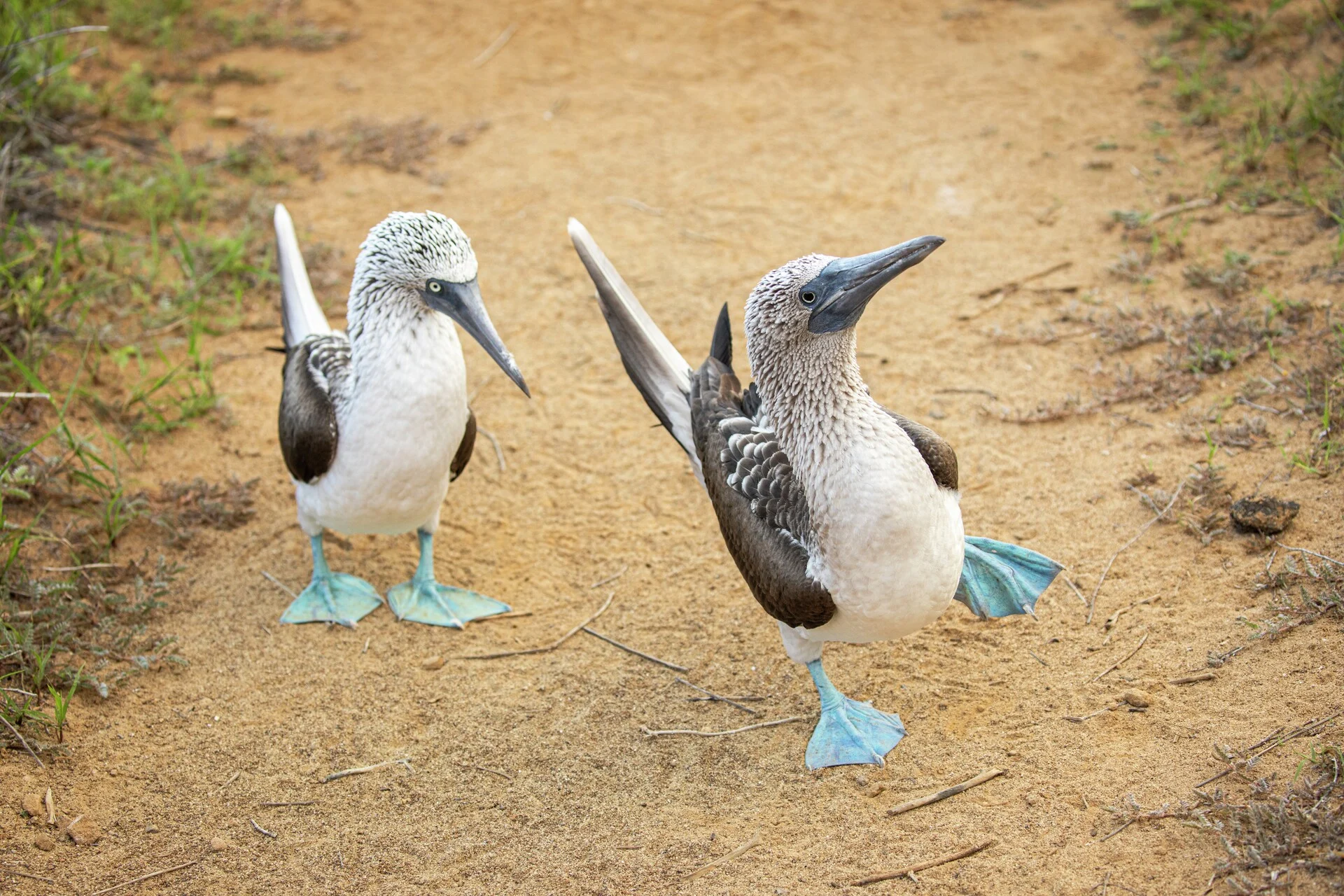
7. Blaufußtölpel
Blaufußtölpel gehören zu den bekanntesten Arten der Galapagos-Inseln. Ihre Füße erhalten die unverkennbare blaue Farbe mit dem Erreichen der Geschlechtsreife.
Diese charakteristischen Vögel sind an den Küsten vieler Inseln anzutreffen, darunter Española und Seymour Norte. Sie sind das ganze Jahr über vor Ort, aber am besten kann man sie während der Balz beobachten, wenn die Männchen ihre leuchtend blauen Füße bei einem Tanz hochheben und zur Schau stellen, um eine Partnerin anzulocken.
Interessant ist auch:
Die leuchtende Farbe ihrer Füße ist ein Signal für Gesundheit und Fitness für potenzielle Partnerinnen: Je kräftiger das Blau, desto attraktiver der Vogel.
8. Nazcatölpel
Der Nazcatölpel kommt nicht nur auf den Galapagos-Inseln vor, aber er zählt zu den auffälligsten Seevögeln, die dort heimisch sind. Mit seinem strahlend weißen Gefieder, den schwarz umrandeten Flügeln und dem unverwechselbaren orangefarbenen Schnabel ist er auch die größte der hier vorkommenden Tölpelarten.
Diese Vögel sind häufig auf Española und Genovesa anzutreffen, wo sie an den Steilküsten nisten. Sie sind das ganze Jahr über aktiv und man sieht sie oft über den Ufern gleiten oder in lockeren Kolonien auf dem Boden versammelt.
Interessant ist auch:
Die Küken konkurrieren intensiv ums Überleben und meist schaffen es nur die Stärksten bis ins Erwachsenenalter.

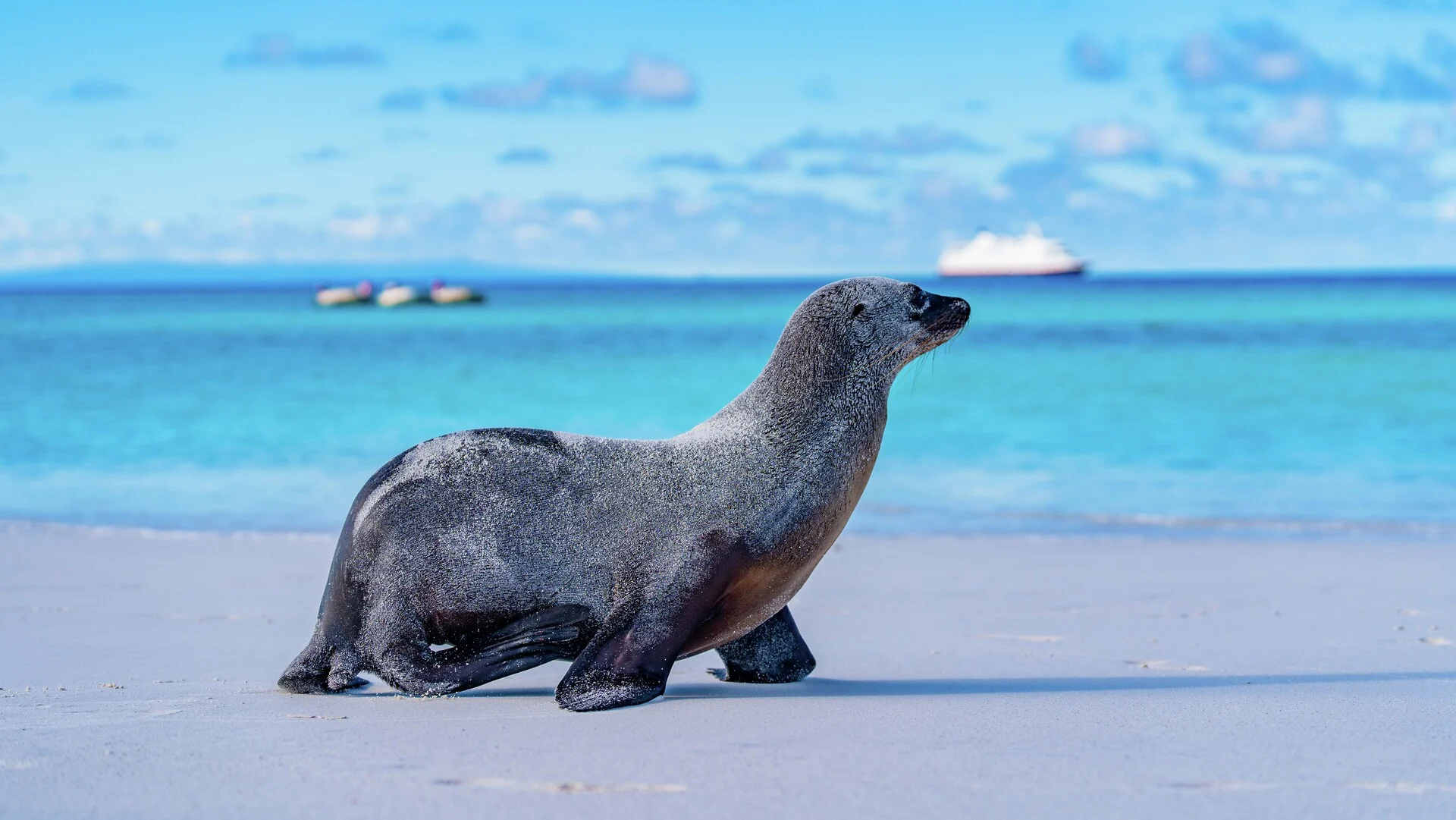
9. Galapagos-Seelöwe
Auf den Galapagos-Inseln sind Seelöwen fast überall anzutreffen, besonders in der Umgebung von Santiago und Santa Fe. Die meiste Zeit verbringen sie zwar an Sandstränden und felsigen Ufern, doch sobald sie sich ins Wasser gleiten lassen, wird ihr verspieltes Wesen deutlich.
Sie sind das ganze Jahr über präsent und man sieht sie oft in der Sonne faulenzen oder um Schnorchler herum durchs Wasser schwimmen.
Interessant ist auch:
Die Jungen sind für ihre Neugierde bekannt und nähern sich oft Schwimmern, wobei sie mit überraschender Geschicklichkeit aus dem Wasser springen und sich drehen.
10. Santa-Fe-Drusenkopf
Dank seiner Farbe ist der Santa-Fe-Drusenkopf in der trockenen, mit Kakteen bewachsenen Landschaft der Insel perfekt getarnt. Die stämmige, langsame Echse hat sich gut an diese trockene Umgebung angepasst.
Trotz ihrer kräftigen Statur sind diese Drusenköpfe viel leichter als sie aussehen: sie wiegen in der Regel bis zu 11 kg. Durch ihre blassgelbe bis sandfarbene Färbung sind sie zwischen dem von der Sonne ausgebleichten Gestein und Staub kaum zu erkennen. Sie kommen nur auf der Insel Santa Fe vor, wo sie durch trockenes Buschland und Kakteenwälder streifen.
Interessant ist auch:
Diese Art ist nur auf der Santa Fe-Insel im Galapagos-Archipel anzutreffen und kommt nirgendwo sonst auf der Erde vor.


11. Galapagos-Pinguin
Der Galapagos-Pinguin ist eine seltene und einzigartige Spezies – der einzige Pinguin, der nördlich des Äquators lebt. Trotz der tropischen Umgebung fühlt er sich in den kühleren Gewässern, deren Temperatur durch die Meeresströmungen rund um die Inseln bedingt ist, rundum wohl.
Die kleinen, wendigen Pinguine verbringen einen Großteil ihrer Zeit im Wasser. Sie sind das ganze Jahr über anzutreffen, am häufigsten jedoch auf der Insel Fernandina und an der Westküste der Insel Isabela, wo kühlere Strömungen ideale Bedingungen bieten.
Interessant ist auch:
Zur Bewältigung der großen Hitze hecheln sie wie Hunde und strecken ihre Flossen nach außen, um überschüssige Körperwärme abzugeben.
12. Fregattvogel
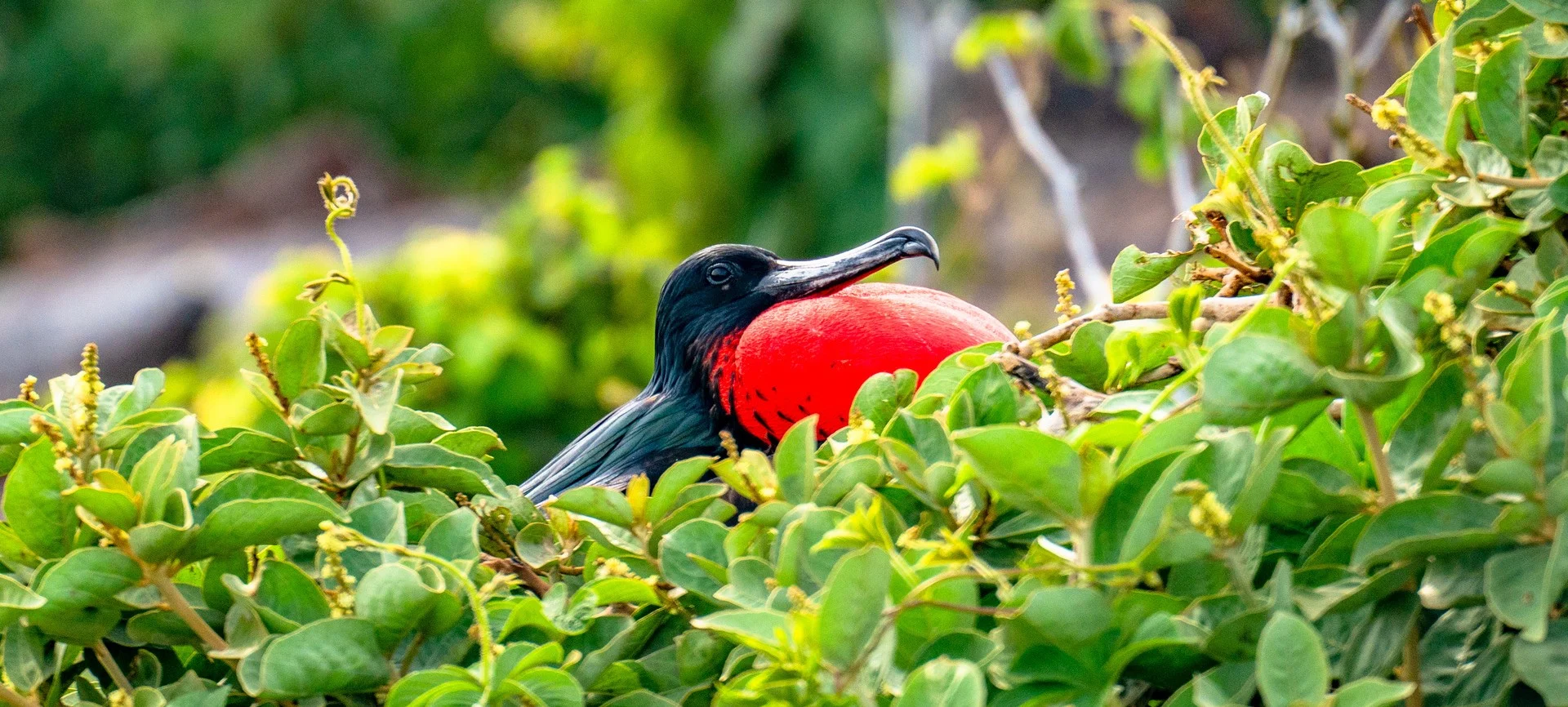
Die Galapagos-Inseln bieten sowohl Prachtfregattvögeln als auch Bindenfregattvögeln einen Lebensraum. Diese Vögel sind leicht zu erkennen, vor allem während der Brutzeit, wenn die Männchen einen auffälligen roten Beutel unter ihrer Kehle aufblasen. Ziel dieser lebhaften Darbietung ist es, eine Partnerin anzulocken. Der Anblick ist eines der eindrucksvollsten Erlebnisse, das Sie auf den Galapagos-Inseln machen werden. Sie verbringen viel Zeit in der Luft, landen nur selten auf dem Wasser und legen auf der Suche nach Nahrung weite Strecken zurück.
Fregattvögel sind auf dem Archipel häufig anzutreffen. North Seymour beherbergt große Nistkolonien von Prachtfregattvögeln, Bindenfregattvögel sammeln sich hingegen bevorzugt auf Genovesa. Man kann sie das ganze Jahr über dabei beobachten, wie sie über durch die Lüfte gleiten oder sich an Nistplätzen zwischen niedrigen Bäumen und Sträuchern versammeln.
Interessant ist auch:
Da sie häufig anderen Seevögeln im Flug die Nahrung stehlen, anstatt sie selbst zu fangen, werden sie auch als „Piratenvögel“ bezeichnet.

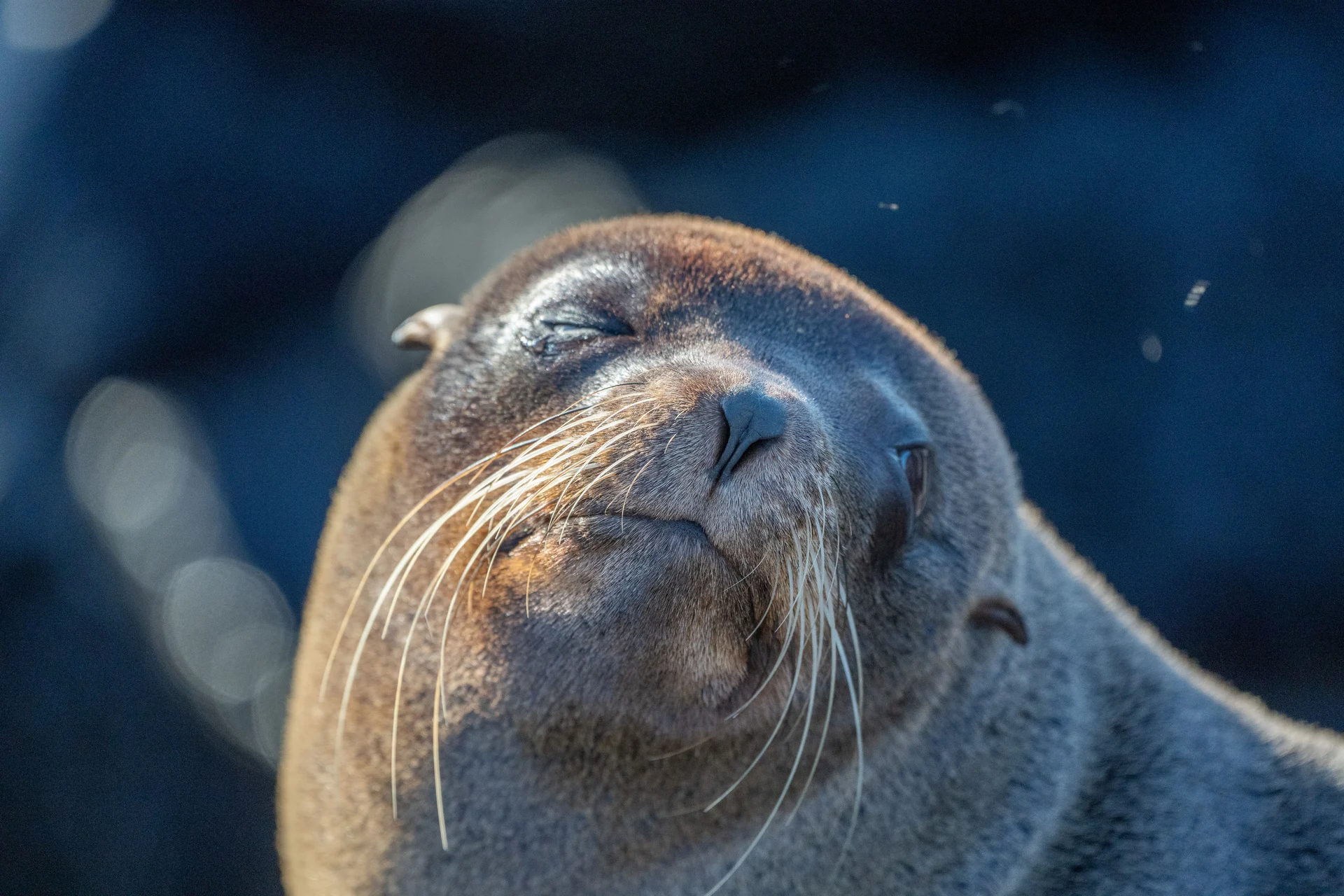
13. Galapagos-Seebär
Galapagos-Seebären gehören zu den kleineren Meeressäugern auf den Inseln, die eher selten zu finden sind. Sie bringen nur ein einziges Jungtier zur Welt und bevorzugen im Gegensatz zu Seelöwen schattige Gebiete wie felsige Buchten, wo sie sich abkühlen können.
Sie sind das ganze Jahr über am häufigsten auf Santiago und Fernandina anzutreffen, wo sie sich auf schattigen Lavaformationen aufhalten.
Interessant ist auch:
Die Jäger sind meist nachtaktiv, damit sie in den kühleren Stunden des Tages jagen und fressen können, was Energie spart.
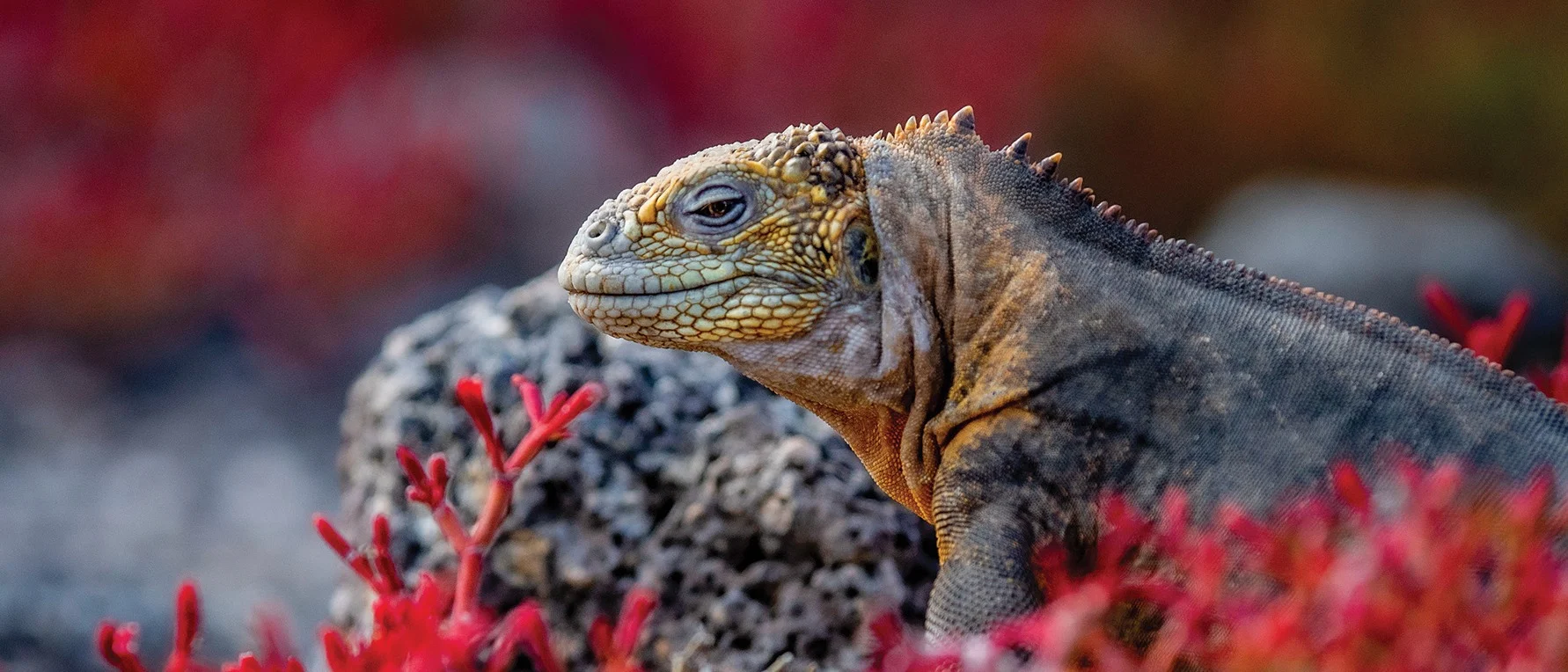
14. Drusenkopf
Diese großen Reptilien können bis zu 60 Jahre alt werden und eine Länge von über 90 cm erreichen. Man sieht sie oft in kleinen Gruppen an sonnigen Stellen, wo sie Wärme tanken. Sie bevorzugen trockene Tieflandgebiete mit spärlicher Vegetation und offenes Gelände.
Drusenköpfe sind am häufigsten auf Santiago und North Seymour anzutreffen. Beobachten Sie sie dabei, wie sie sich in der Sonne ausruhen oder sich gezielt zwischen schattigen Plätzen und der Vegetation bewegen.
Interessant ist auch:
Sie ernähren sich hauptsächlich von Kakteen und nutzen ihre robusten Mäuler, um Stacheln und Triebe zu zermalmen, die die meisten Tiere meiden.
15. Galapagos-Riesenschildkröte
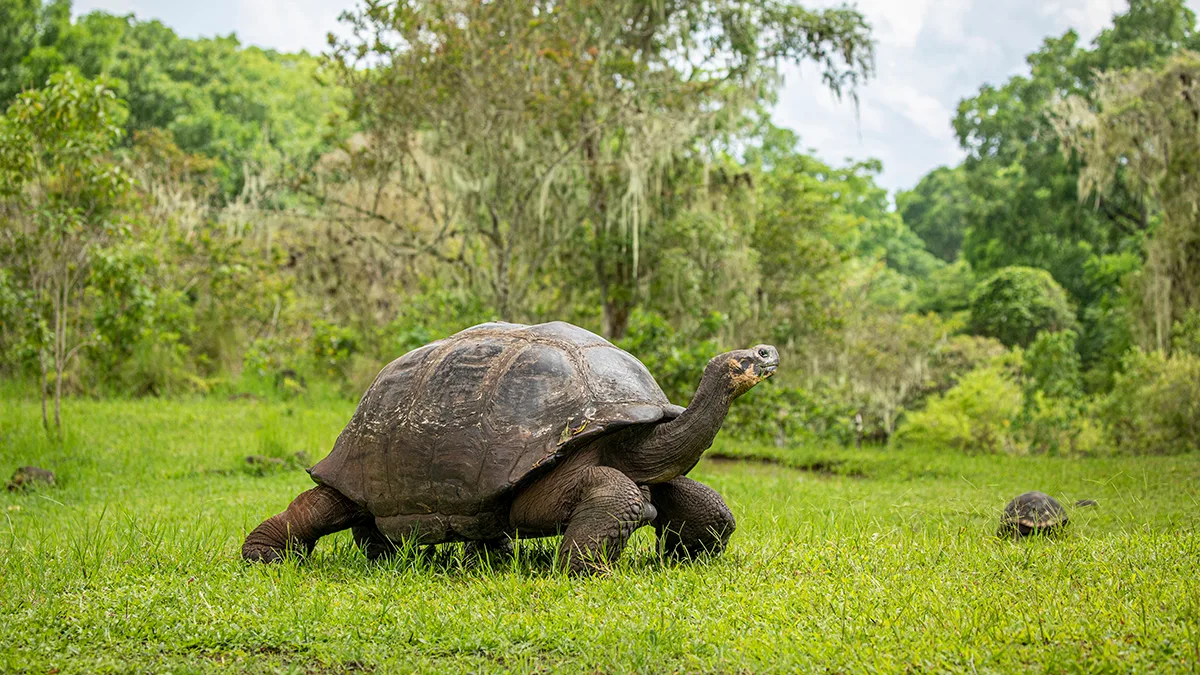
Die Galapagos-Riesenschildkröte ist eine der symbolträchtigsten Arten des Archipels und für ihre beeindruckende Lebensdauer bekannt: sie wird oft weit über 100 Jahre alt. Dank Schutzmaßnahmen hat sich die Population der einst stark bedrohten Spezies wieder etwas erholt. Sie zählt nach wie vor zu den Tierarten, die die meisten Gäste bei einer Reise zu den Galapagos-Inseln unbedingt erblicken möchten.
Am häufigsten sind die Riesenschildkörten auf Santa Cruz, Isabela und San Cristóbal anzutreffen, vor allem im Hochland, wo sie bei kühleren Temperaturen und in einer grünen Umgebung bessere Nahrungsbedingungen vorfinden.
Interessant ist auch:
Es handelt sich um die größten Schildkröten der Welt und einige von ihnen werden bis zu 300 kg schwer.
Wo Sie die Tierwelt der Galápagos erleben können
Der Archipel ist unglaublich vielfältig, und da die Tiere in Isolation evolviert sind, hat jede Insel ihre eigene einzigartige Tierwelt. Hier ist eine kurze Übersicht, wo Sie einige der bekanntesten Tiere am wahrscheinlichsten sehen werden:
Fernandina: Flugunfähige Kormorane, Galápagos-Pinguine, Meeresiguane und Galápagos-Pelzrobben Española: Blaufußtölpel und Nazcatölpel, Galápagos-Albatrosse, Meeresiguane und Galápagos-Bussarde Isabela: Flugunfähige Kormorane, Galápagos-Pinguine, Galápagos-Bussarde und Galápagos-Riesenschildkröten Santiago: Galápagos-Pelzrobben, Landiguane, Galápagos-Seelöwen und Galápagos-Bussarde Genovesa: Rotfußtölpel, Nazcatölpel und Bindenfregattvögel North Seymour: Landiguane, Blaufußtölpel und Prachtfregattvögel San Cristóbal: Galápagos-Riesenschildkröten South Plaza: Land- und Meeresiguane sowie Nazcatölpel Santa Fe: Galápagos-Seelöwen und Santa-Fe-Landiguane Floreana: Amerikanische Flamingos Santa Cruz: Galápagos-Riesenschildkröten Rábida: Galápagos-Bussarde, amerikanische Flamingos Bartolomé: Blaufußtölpel, Binden- und Prachtfregattvögel

Wann ist die beste Zeit, um Galápagos-Tiere zu sehen?
Die Schönheit der Galápagos liegt in ihrem beständigen Lebensrhythmus. Die Tierwelt gedeiht hier das ganze Jahr über, und es gibt keine schlechte Zeit für einen Besuch. Ob Sie im klaren Wasser schnorcheln, auf sanften Wellen kajaken oder abgelegene vulkanische Küsten erkunden – es gibt immer etwas (oder jemanden) zu entdecken.
Da die Inseln direkt auf dem Äquator liegen, genießen sie ein tropisches Klima mit geringen Temperaturschwankungen das ganze Jahr über. Die zwei Jahreszeiten bieten jeweils ihre eigenen Vorzüge:
Januar bis Mai: Etwas wärmere, niederschlagsreichere Monate mit ruhigen, einladenden Meeren. Eine perfekte Zeit, um ins Wasser zu gehen und Meereslebewesen zu beobachten, und die Hauptbrutsaison für viele Vögel, Reptilien und Landtiere, einschließlich der Galápagos-Riesenschildkröte.
Juni bis Dezember: Etwas kühlere, trockenere Tage und rauere Meere, begleitet vom eintreibenden Garúa-Nebel. Nährstoffreiche Strömungen locken Wale, Delfine und Pinguine an die Küste.
Viele Tierarten sind das ganze Jahr über auf den Galápagos zu Hause, und Brutzyklen richten sich oft nach der Nahrungsverfügbarkeit statt nach den Jahreszeiten. Ganz gleich, zu welcher Jahreszeit Sie diese außergewöhnlichen Inseln erkunden – eine vielfältige Tierwelt erwartet Sie.
Erfahren Sie mehr über einen Besuch der Galápagos-Inseln in unserem Reiseführer, oder finden Sie Antworten auf alle Ihre Fragen in unseren Galápagos-FAQs.
Fünf Tipps zum Entdecken der Tierwelt auf den Galápagos
Unser Partner Metropolitan bringt seit 1969 Reisende auf die Galápagos-Inseln und hat dabei so einiges darüber gelernt, wie man die bekanntesten Bewohner der Inseln aufspürt. Hier sind unsere fünf besten Tipps:

Nutzen Sie Ihre Zeit optimal. Wählen Sie eine umfassende Route, die eine vielfältige Auswahl an Inseln des Archipels besucht.
Entscheiden Sie sich für ein kleineres Schiff. Es kann abgelegene Küsten und ruhigere Ecken erreichen, die größeren Schiffen verwehrt bleiben.
Erleben Sie die Inseln aus jedem Blickwinkel. Beobachten Sie vom Schiff aus, paddeln Sie im Kajak hinaus, gehen Sie an Land für einen Naturspaziergang oder gleiten Sie ins Wasser zum Schwimmen und Schnorcheln.
Reisen Sie mit erfahrenen Naturkundeguidern, die das lokale Gebiet und die Tierschutzrichtlinien in- und auswendig kennen.
Vor allem: Halten Sie die Augen offen und den Geist neugierig – man weiß nie, was wann auftauchen könnte.
Welche Tierwelt werden Sie auf welcher HX-Reise sehen?
HX bietet zwei Routen zur Erkundung der Galápagos-Inseln an. Wir haben eine Reise, die die östlichen Inseln der Galápagos erkundet, und eine Reise, die die Inseln in den westlichen und nördlichen Regionen der Galápagos erkundet.
Route der östlichen Inseln: Auf Darwins Spuren
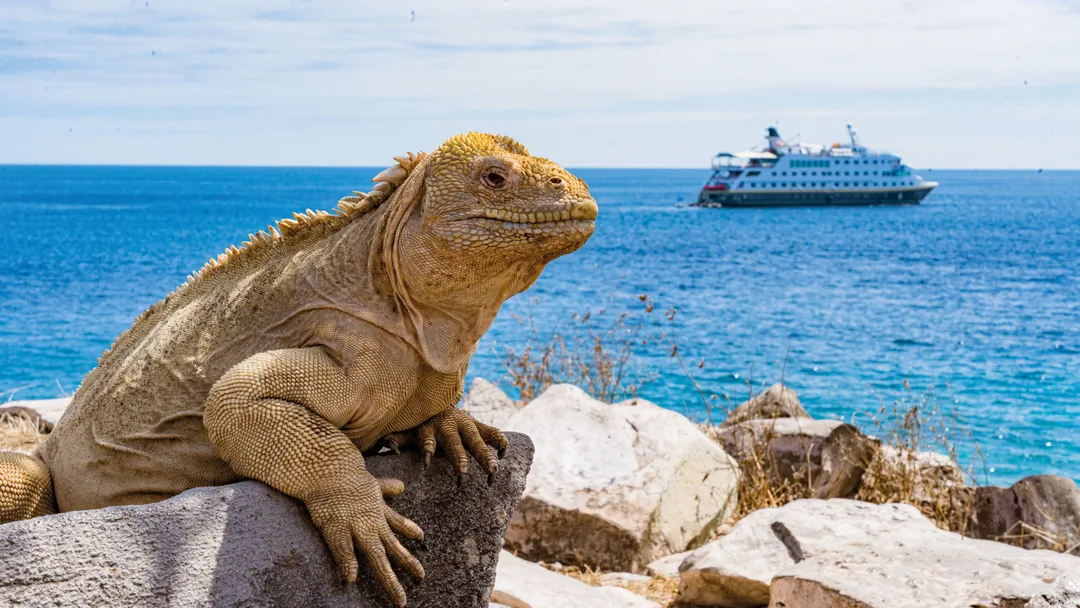
Auf dieser 9-tägigen All-inclusive-Expeditionskreuzfahrt durch die östlichen Galápagos-Inseln begegnen Sie einigen der bekanntesten Bewohner des Archipels, darunter:
Galápagos-Albatros
Blaufußtölpel
Nazcatölpel
Rotfußtölpel
Amerikanischer Flamingo
Fregattvögel
Galápagos-Bussard
Landleguan
Meeresleguan
Santa-Fe-Leguan
Galápagos-Seelöwe
Galápagos-Pelzrobbe
Galápagos-Riesenschildkröte
Route der nördlichen und westlichen Inseln: Neun der besten Inseln
Diese 11-tägige Insel-Hopping-Tour über neun der schönsten Inseln der Galápagos bietet Ihnen gute Chancen, Folgendes zu sehen:
Blaufußtölpel
Nazcatölpel
Rotfußtölpel
Amerikanischer Flamingo
Binden- und Prachtfregattvögel
Galápagos-Bussard
Landleguan
Meeresleguan
Galápagos-Seelöwe
Galápagos-Pelzrobbe
Galápagos-Riesenschildkröte
Erleben Sie die Tiere der Galápagos mit HX Expeditions
Von der langsamen Anmut einer Riesenschildkröte bis zum Balztanz eines Blaufußtölpels bietet die Galápagos Begegnungen mit der Tierwelt, die Sie nirgendwo sonst erleben können – und die „Großen 15" gehören zu den unvergesslichsten.
Unsere 9 bis 11-tägigen All-inclusive-Reisen an Bord der MS Santa Cruz II bringen Sie ins Herz des Archipels, mit erfahrenen lokalen Guides und Zugang zu einigen der abgelegensten Ecken. Und während der gesamten Reise ehren wir die Naturschutzbemühungen und schützen aktiv die außergewöhnliche Artenvielfalt der Inseln.
Entdecken Sie unser Angebot an Expeditionskreuzfahrten zu den Galápagos-Inseln und beginnen Sie mit der Planung Ihres nächsten Abenteuers.