Antarctica packing list: what to bring on your polar adventure
Planning a trip to the Antarctic continent and wondering what to bring? You're not alone. That's why we compiled a list of all the necessary things to bring to the last inhabited continent on Earth.
Tar 1 min å lese
Sist oppdatert 19. mars 2026
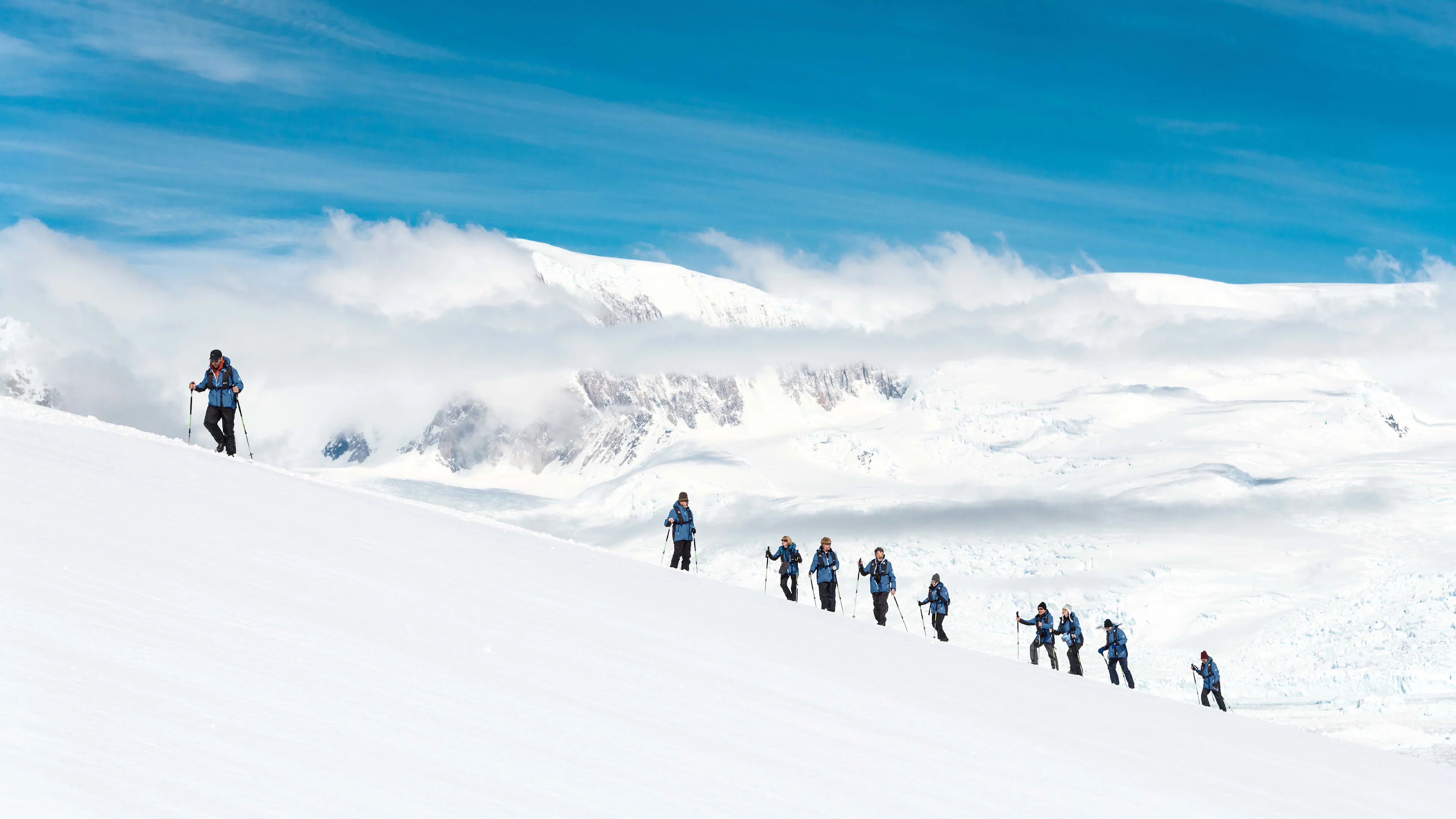
When you're packing for your Antarctic Expedition, there's one thing worth remembering: "There's no such thing as bad weather, only bad clothing." Often credited to the Scandinavians, the saying is just as relevant this far south of the equator.
Although Antarctica might be cold enough to be the only uninhabitable continent on the planet, you’re not going to freeze. You're visiting the warmest part of the continent during the warmest season of the year, and your proximity to the ocean means conditions are often milder than you might expect.
Feeling comfortable in the cold is all about sensible layering. Here's what you'll need to pack to stay warm and prepared throughout your expedition - whether you're sipping a cocktail on your cabin balcony or kayaking among the ice floes.
What’s in this article?
What clothing should I pack for Antarctica?
Luggage and bags
Accessories & essential items
Your Antarctica packing list at a glance
FAQs on packing for Antarctica
Prepare for your Antarctic adventure
What clothing should I pack for Antarctica?
Clothing for expeditions & excursions
Woolen layers
The best advice we can give you about packing for Antarctica? Never underestimate the power of long underwear. Your base layer is perhaps the most important - and it's important to bring a few different sets. Thin wool is one of the best options, as it's not too tight to prevent a warm layer of air from forming around your body, but it's also ultra-insulating. Long pants or leggings, a few woolen long-sleeved tops and plenty of thin woolen socks are at the top of every "exploring Antarctica" list around. The bonus? It's really comfortable to sleep in, too.
Waterproof pants
Rain, snow and sea spray are all part of the Antarctic experience – especially during small boat excursions. Waterproof pants help keep you dry when traveling to and from landings, protecting you from spray. Staying dry matters more than you might think. If your clothing gets wet during the ride, you could arrive on shore already cold. A good pair of waterproof, windproof pants adds an essential barrier against the elements.
Thick socks
Many people underestimate the power of layering your socks, but keeping your feet snug and warm will in turn keep your body warm (heat tends to escape through your limbs). Over those thin woolen socks you packed, put a thicker pair to trap even more heat. The two in combination won't be too thick to fit inside your waterproof boots, but they'll be doubly warm.
Underlayer gloves
Underlayer gloves keep your hands warm in a similar way that those thin woolen socks keep your feet warm. They help trap warm air between your gloves and your hands, and they're great to have on hand (literally) when you need to do things that require a little more dexterity, like changing your camera lens.
A face mask
Winds in Antarctica can be intense, especially when you're cruising along the water in a small boat. Make sure you bring a face mask to help keep you warm.
Waterproof walking shoes with traction
Tall, waterproof boots are crucial for exploring the mainland, but you'll want comfortable, warm walking shoes for the towns you visit farther north and the hikes you may go on in the Falkland Islands. There's likely to be ice wherever you are, though, so make sure they have good traction.
Hat and scarf
This one goes without saying - in such a cold climate, you're going to need a good hat that covers your ears. It’s also worth considering a scarf, snood, or fleece tube for added warmth.

Clothing for around the ship
Sweaters or fleece
Make sure you have plenty of warm sweaters to wrap up in while relaxing around the ship. Over a warm base, fleece is one of the warmest and most versatile. It's a great layering piece because you can wear it on its own on warmer days, on board the ship, and underneath a windbreaker on the coldest days of your expedition.
Relaxed and casual clothes
Life on board is relaxed, so casual clothing is ideal for your time on board the ship. Bring outfits you’d normally wear at home – long-sleeve tops, comfortable pants or leggings. There’s no formal dress code, but you’re welcome to bring something a bit fancier if you feel like dressing up for dinner.
Comfortable shoes for on board
Whether you’re strolling the decks, attending lectures or relaxing in the lounge, lightweight sneakers or casual shoes keep you comfortable while moving around the ship during the day.
Gym gear
Most expedition ships have a gym or fitness area, so if you plan to use the facilities, bring lightweight gym clothing and suitable sports shoes, and enjoy a workout as the icebergs float by.

Luggage and bags
Luggage
Both hard-shell and soft-shell luggage work well for an Antarctic expedition, but many travelers prefer soft-shell bags. They’re easier to store in your cabin and can be compressed once unpacked, helping you save space. Hard-shell suitcases offer extra protection for your belongings, so the best option often comes down to personal preference.
Waterproof daypack
A lightweight daypack is ideal for carrying essentials during excursions. You’ll want somewhere to store your camera, spare gloves, water bottle and extra layers when you’re heading ashore. Choose something compact but comfortable, ideally with padded straps and water-resistant materials.

Accessories & essential items
Sunglasses
This one might surprise you, but Antarctica can actually be a pretty sunny place (sometimes even in the middle of the night). Pair that with the endless expanse of reflective white snow, and you have a recipe for a ton of glare. While any sunglasses will be helpful, it's best to opt for polarised ones on a trip like this. An even better idea: Bring an extra pair, just in case.
A camera (and waterproof bag)
You will undoubtedly want to take photos while you're visiting (how many people can say they've been to Antarctica?), so make sure you bring a good camera and several lenses. While regular point-and-shoot cameras work fine, the glare makes exposure and white balance tricky - and you could end up with photos that aren't so great. Whichever kind of camera you opt to bring along for the ride, make sure you have a waterproof bag, as rough waters and rides in our small boats mean you will likely get splashed at some point. (Plus nothing is worse than dropping your camera in the snow.)
Sunscreen
Antarctica may be cold, but it's the highest continent on Earth and is located under a relatively thinner layer of ozone than most places. Make sure any exposed areas of your skin (most likely your face) are covered in a protective layer of sunscreen to prevent burns.
Moisturiser and lip balm
Due to Antarctica's low temperatures and high altitude, the air is pretty dry. Your skin and lips may get a little scaly, so be sure you have plenty of moisturisers on board.
Miscellaneous
Alongside your clothing and gear, there are a few practical items worth adding to your packing list:
Your passport and a copy of it
Credit card (Visa, American Express, Diners, and MasterCard)
Sufficient medication to last through any unforeseen delays
Travel adapters for use in European two-pin plugs
Binoculars
Spare batteries
Journal to document your trip

FAQs on packing for Antarctica
How many layers of clothes do you need in Antarctica?
Plan for three main layers – a moisture-wicking base layer, an insulating mid-layer such as fleece or wool, and a waterproof outer layer.
What am I not allowed to take to Antarctica?
Antarctica has strict environmental protections, so items that could introduce foreign material – such as clothing with seeds, soil or plant debris – are not permitted. Drones and some plastics may also be restricted.
What kind of shoes should I pack for Antarctica?
You’ll need waterproof boots with good grip for shore landings and comfortable walking shoes for on board.
Do I need sunscreen for Antarctica?
Yes. The sun can be surprisingly strong, and its rays reflect off ice and snow, increasing the risk of sunburn even in cold temperatures.
Why do I need sunglasses in Antarctica?
Snow and ice reflect a lot of sunlight, which can create intense glare. Polarised sunglasses help protect your eyes and make it easier to see clearly during excursions.

Prepare for your Antarctic adventure
If this packing list looks similar to what you’d bring on a ski vacation, you’re not far off – the principles are much the same. The key is layering, staying dry, and packing practical gear for time outdoors.
One final tip: try not to overpack. This is one adventure you don't want to be bogged down during!
If you have more questions about visiting Antarctica, explore our Antarctica FAQs. And for inspiration before your trip, grab a coffee and watch our series videos on YouTube – they bring the White Continent to life.


