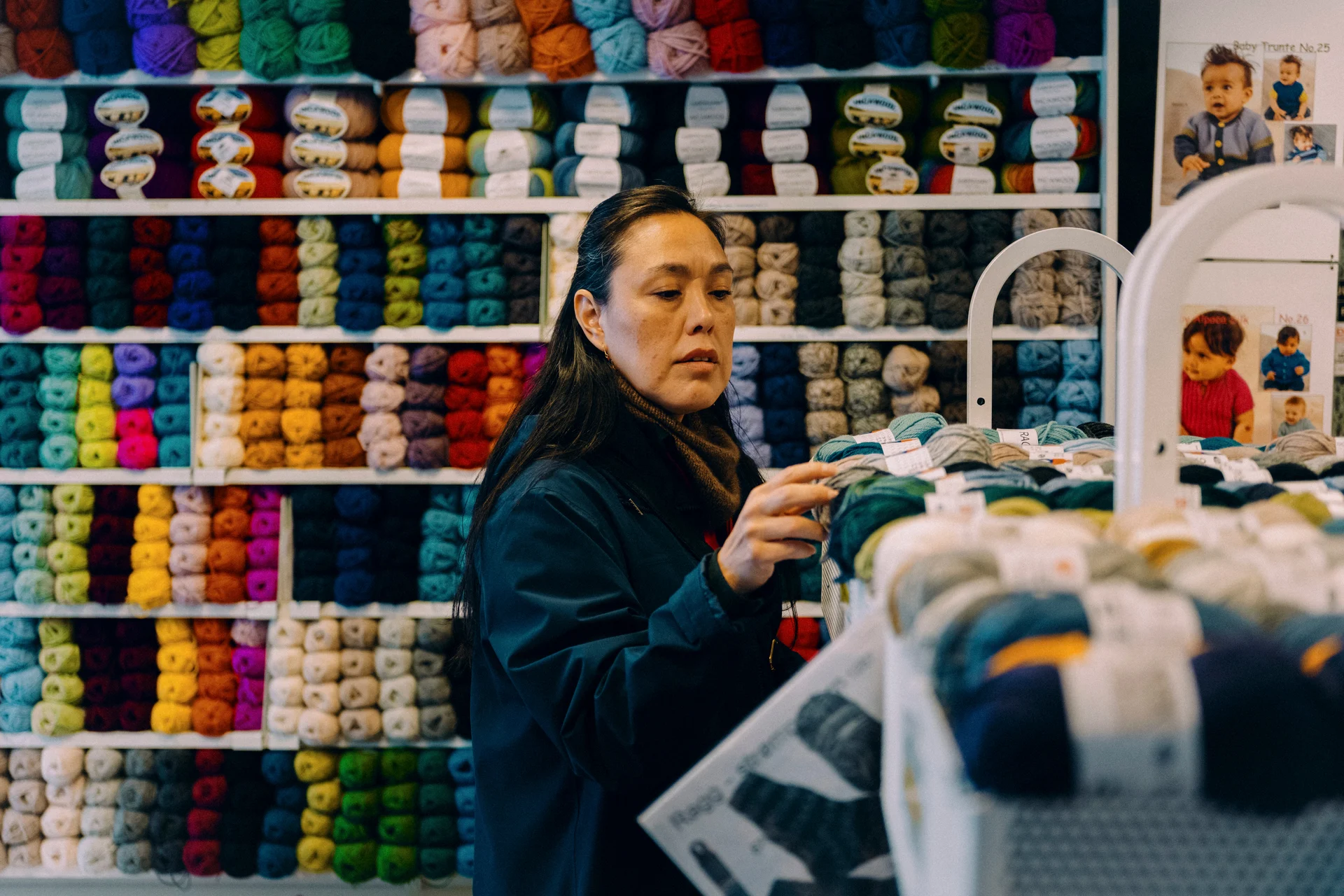
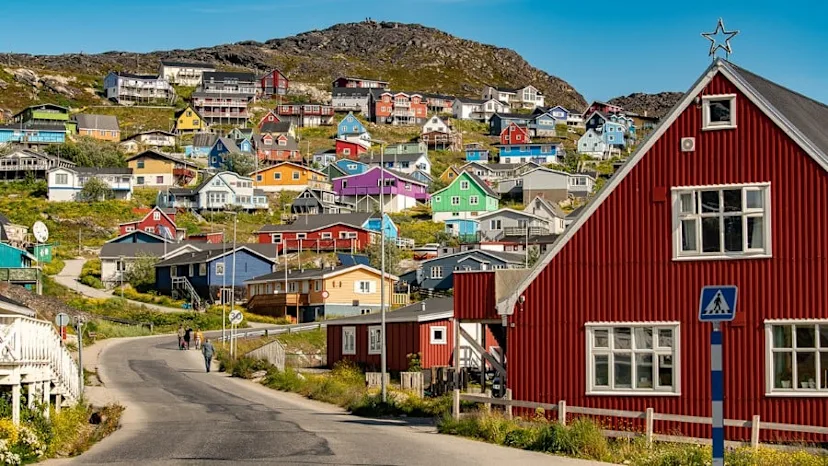
Sara-Marie, couturière
Pour ce portrait, nous allons à la rencontre d’une couturière groenlandaise qui, à travers le travail du textile, perpétue les traditions du peuple Kalaallit de génération en génération.
Lecture de 1 min
Dernière mise à jour 12 avril 2026

Gardienne des traditions
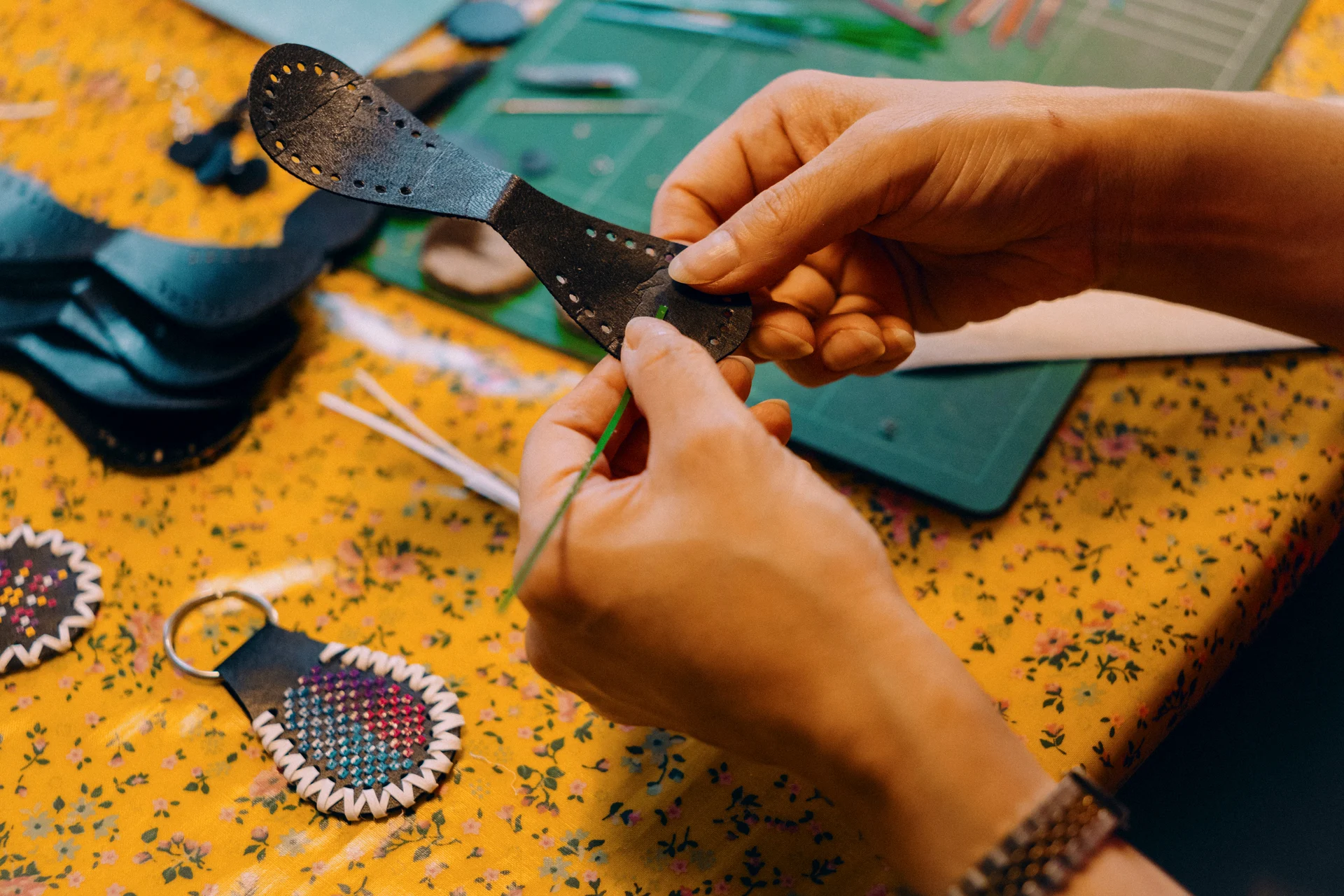
« Cet art du tissu m’a été transmis, et je compte bien le transmettre à mon tour. » Dans un petit atelier de Nuuk, Sara-Marie est assise à une table couverte de tissus, de perles et de bobines de fil. Ses mains se déplacent avec précision, guidant l’aiguille dans le tissu, encore et encore, dans une sérénité sans pareille. Un geste appris il y a bien longtemps, en observant sa grand-mère : « Je me souviens très bien de son calme et de sa créativité », nous confie la couturière. Pour elle, la couture « vient de l’intérieur… ». C’est un savoir-faire acquis en observant sa grand-mère pendant de nombreuses années. «
Sara-Marie, la couturière
Des vêtements à travers les générations
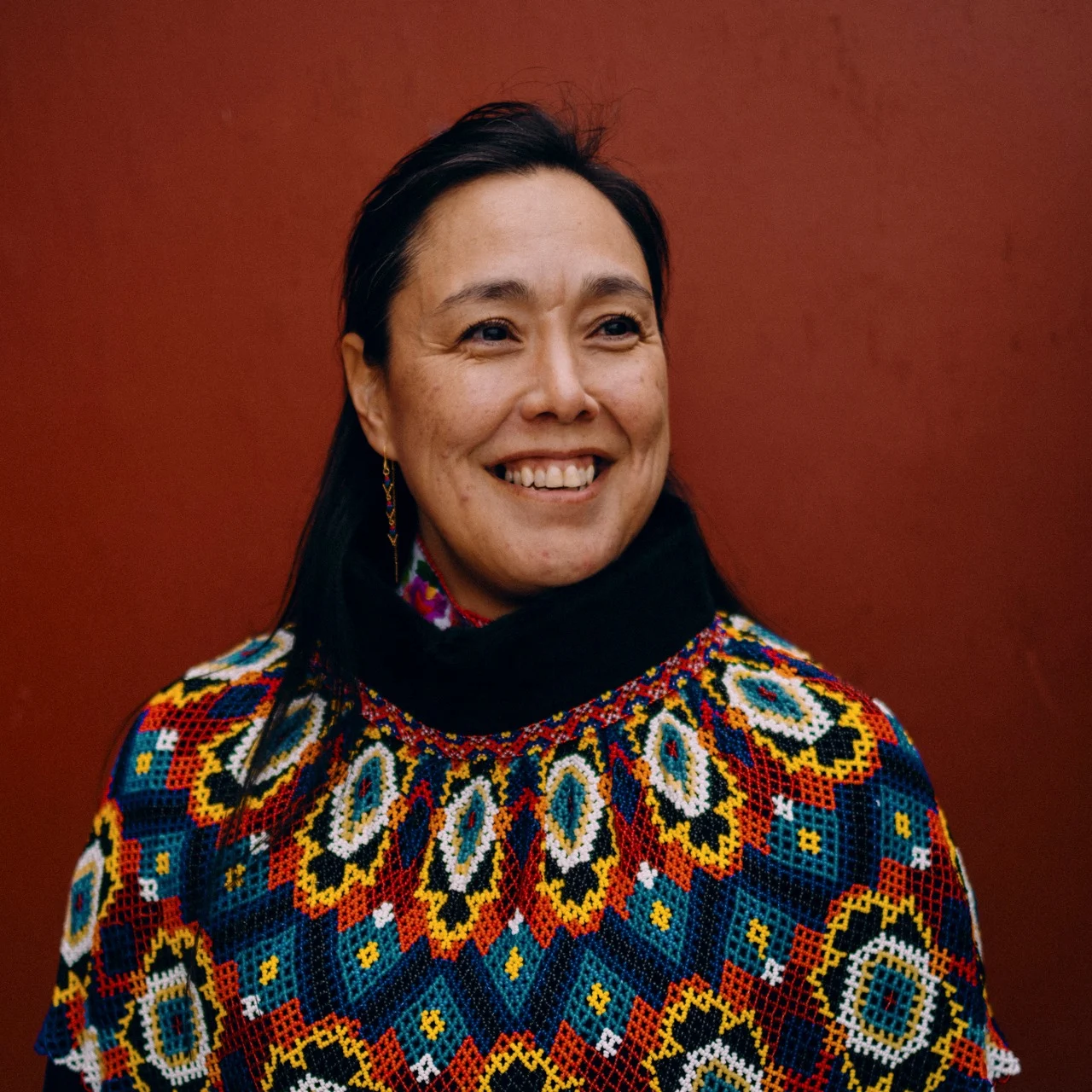
Un ensemble complet de kalaallisuut se compose de plusieurs pièces : le timmiaq, porté sous un anorak orné, associé à un pantalon court en peau de phoque appelé seeqqerngit, à des bottes kamik et au nuilarmiut, un collier orné de perles.
Chaque vêtement raconte une histoire : celle de celui qui l’a confectionné, de celui qui l’a porté et des occasions auxquelles il a assisté. « Nous accordons une grande importance au fait de porter le kalaallisuut... pour les occasions joyeuses comme pour les tristes. » Mariages, funérailles, rentrée scolaire d’un enfant : ces mêmes vêtements accompagnent les étapes importantes de la vie.

Créer des liens au sein de la communauté grâce à l'artisanat
Sara-Marie se souvient d’un moment où une petite fille s’apprêtait à faire sa rentrée scolaire sans nuilarmiut, un collier de perles pouvant compter environ 20 000 petites perles et dont la confection peut prendre jusqu’à 64 heures. Le temps pressant, les membres de la famille ont rassemblé le matériel nécessaire et ont travaillé ensemble toute la nuit pour que la tenue soit prête le lendemain matin.
« Si quelqu’un a besoin d’aide, nous nous mobilisons rapidement les uns pour les autres, car au fond, nous formons une seule et même communauté. »
Au Groenland, il existe un mot pour désigner ce type de responsabilité partagée : ataatsimoorneq. À la base, cela signifie « solidarité » ou « unité ». Sara-Marie décrit l’ataatsimoorneq comme un moyen de préserver la culture groenlandaise à travers les pratiques qui l’ont façonnée : comme la chasse, la danse, la narration d’histoires et, pour elle, la couture.
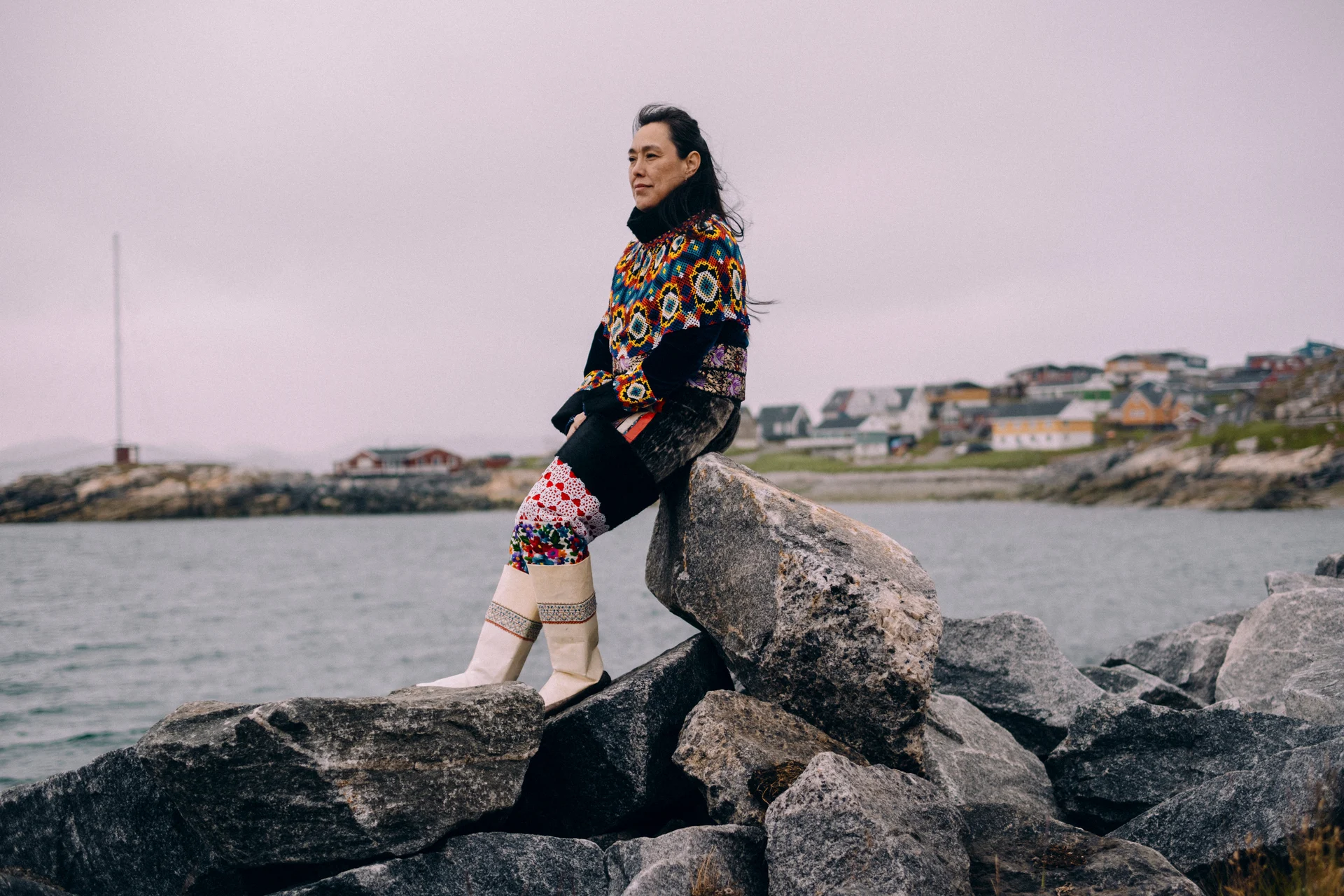

« Autrefois, les gens vivaient en communauté. Lorsqu’ils chassaient, la nourriture était partagée entre tous. L’ataatsimoorneq revêt une grande importance à mes yeux car, en fin de compte, nous formons une seule et même communauté. »
Dans l’atelier de Sara-Marie, cette idée prend une forme concrète. Une couture est renforcée, une perle remplacée, un vêtement remis en circulation. Grâce à cet entretien, la robe reste ancrée dans la vie quotidienne plutôt que de devenir un symbole hors d’usage. « Plus je comprends cela, plus j’apprends sur les anciens modes de vie groenlandais », dit-elle. « Je suis fière de pouvoir le faire. »
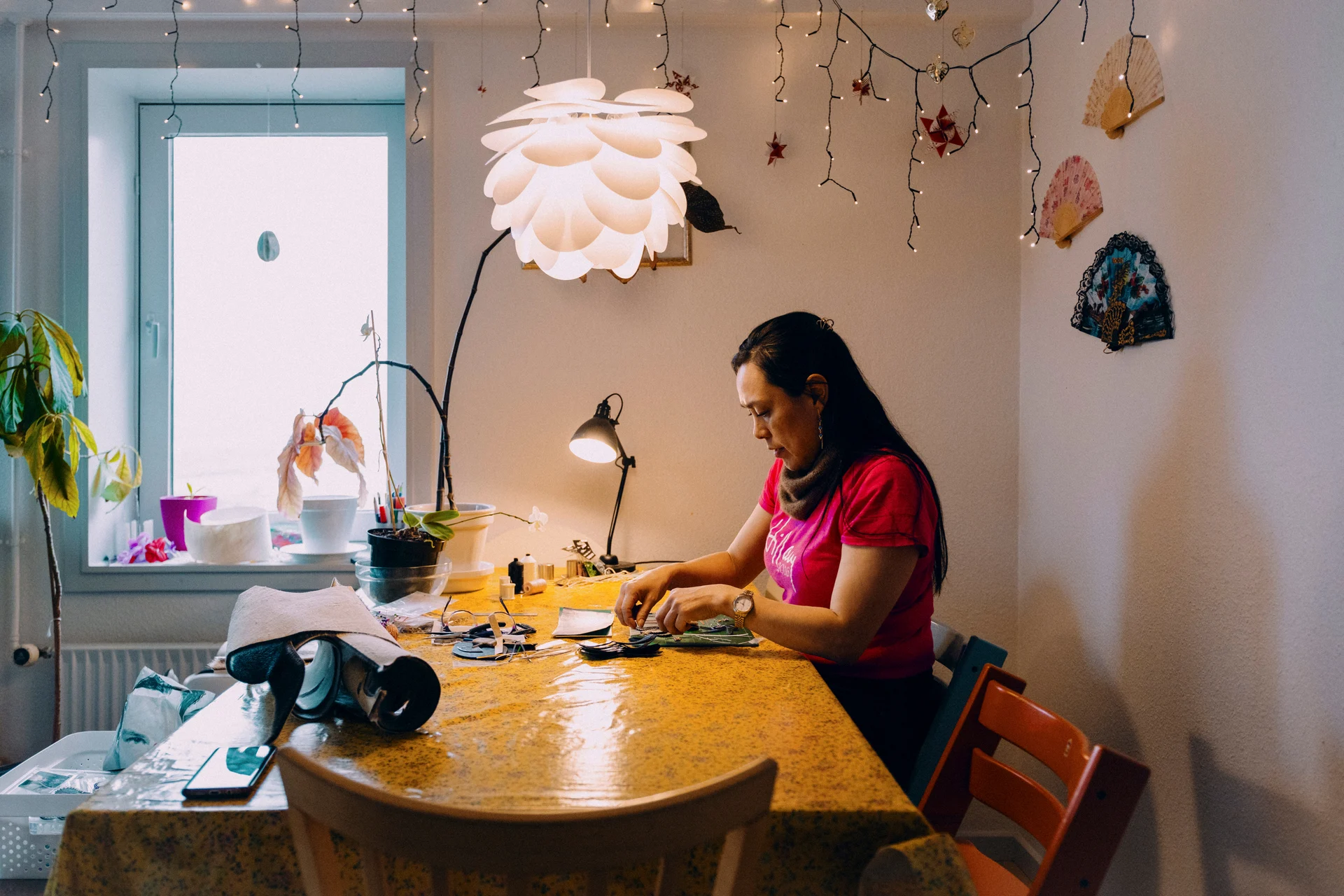
Le tissu de l'identité
Le travail de personnes comme Sara-Marie met en lumière les valeurs qui ont toujours soutenu et continuent de soutenir les communautés groenlandaises. Grâce aux techniques de couture ancestrales, chaque vêtement devient une métaphore du lien entre le passé et le présent, reliant les gens à leurs traditions et les unissant les uns aux autres. Cela nous rappelle que notre identité est indissociable de la manière dont nous nous rassemblons, prenons soin les uns des autres et transmettons notre héritage. « Le kalaallisuut revêt une grande importance pour nous en tant que peuple, dans notre identité en tant qu’êtres humains. Il vit déjà en nous, dans nos cœurs, c’est pourquoi il compte tant. »