Sustainable Ways to Experience the Galápagos
The Galápagos Islands are one of the world’s best-protected ecosystems. Strict conservation rules, tightly managed tourism, and responsible visitor habits safeguard the wildlife and landscapes, while still allowing for truly meaningful travel experiences.
1 mins read
Last updated June 25, 2026
What’s in this article?
What is ecotourism in the Galápagos Islands?
Why ecotourism is essential in the Galápagos
How tourism is controlled and managed in the Galápagos
The benefits of ecotourism in the Galápagos
How to travel responsibly in the Galápagos
Sustainable ways to experience the Galápagos
What not to do in the Galápagos
How your visit supports conservation
What is Ecotourism in the Galápagos Islands?
Ecotourism is a way of travelling that focuses on protecting the natural environment, supporting local communities, and encouraging responsible behaviour from visitors.
The Galápagos Islands were declared the world’s first UNESCO World Heritage Site in 1979, recognised for their exceptional natural value and unique ecosystems found nowhere else on Earth. Since then, tourism here has been carefully shaped around conservation, with strict rules in place to protect wildlife, limit environmental impact, and ensure visits remain sustainable over time.
Following a few guidelines is all it takes to experience the islands responsibly, from respecting wildlife to making thoughtful choices in how you behave and what you bring with you.

Ecotourism in the Galápagos is generally understood through three key areas:
Environmental protection: safeguarding fragile habitats and endemic species through strict national park regulations.
Support for local communities: creating jobs and income for local guides, crew, and island residents.
Responsible visitor behaviour: encouraging travellers to follow clear guidelines on how to interact with wildlife and natural sites. '
“There’s such respect for the fact that nature should be allowed to be nature. You observe, you enjoy, but you don’t interfere.”
Jim, HX Guest

Why Ecotourism is Essential in the Galápagos
The Galápagos Islands are incredibly fragile, where even small human impacts can leave a mark. Ecotourism makes it possible to visit with care, protecting what makes the islands truly one of a kind.
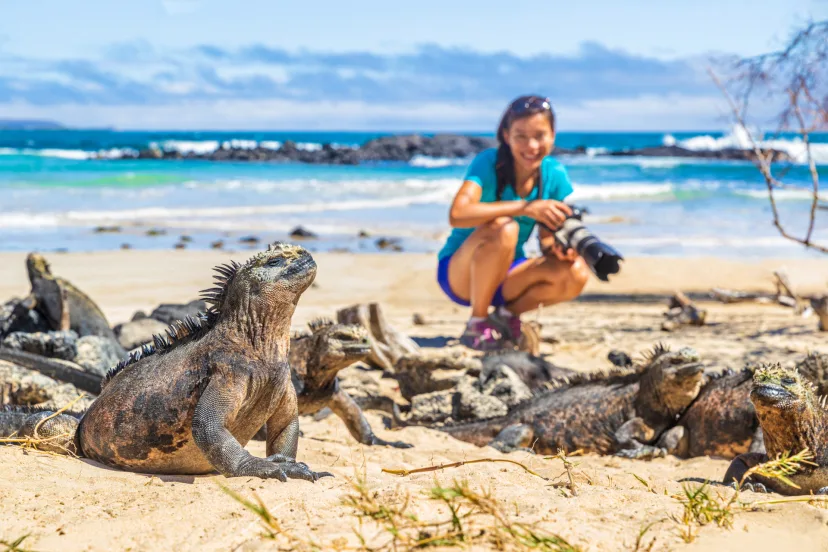
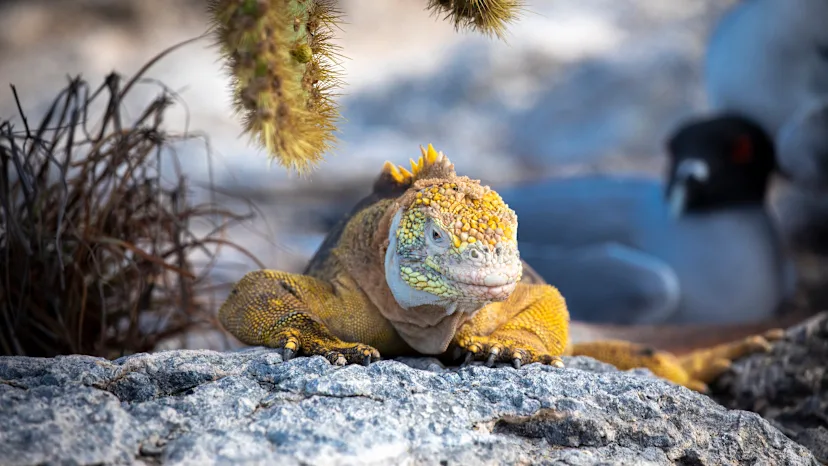
That matters because so much life here exists nowhere else. From giant tortoises and marine iguanas to blue-footed boobies, Galápagos wildlife is uniquely vulnerable to disturbance. Add world-class birdlife, from frigatebirds to finches, and it’s easy to see why the islands are a global conservation priority.
Protected as both a national park and a UNESCO site, the Galápagos are managed with strict limits on numbers, access, and wildlife interaction. Those rules are what keep overcrowding, habitat stress, and disrupted animal behaviour in check.
Ecotourism supports that approach by keeping access controlled and impact low, so you can experience the Galápagos in a way that’s inspiring, responsible, and genuinely worth the journey.
How Tourism is Controlled and Managed in the Galápagos
Tourism in the Galápagos is tightly managed to protect the islands’ fragile ecosystems while still allowing visitors to have unforgettable, up-close encounters in a controlled and responsible way. A combination of regulations and on-the-ground enforcement ensures every visit is carefully monitored:
National park rules
The entire archipelago is protected as a national park, with strict rules governing where visitors can go, how they behave around wildlife, and what activities are permitted. All visits must follow designated paths and landing sites.
Visitor limits
Each visitor site has a maximum number of people allowed per day. This helps reduce pressure on sensitive habitats and ensures wildlife encounters remain low impact.
Certified local guides
On the inhabited islands, all visitors must be accompanied by licensed naturalist guides trained and accredited by the Galápagos National Park. They play a key role in explaining wildlife, supporting responsible behaviour, and helping ensure visitors follow park regulations throughout each visit.
Controlled flights and permits
Access to the islands is carefully managed through designated entry points, with flights arriving at approved airports (mainly Baltra and San Cristóbal). On arrival, visitors pay a $20 Tourist Transit Card, followed by a Galápagos National Park entrance fee ($200 for non-Ecuadorian adults and $100 for children). From there, movement around the islands is guided by national park controls and pre-approved tourism itineraries.
Regulated cruises
Expedition cruises across the archipelago operate on pre-approved itineraries assigned by the national park. These routes determine which sites can be visited and when, ensuring visitor flow is evenly distributed across the islands.

The Benefits of Ecotourism in the Galápagos
Ecotourism in the Galápagos is designed to protect what matters most, while creating real value for island communities and travellers. It brings together conservation, local livelihoods, and learning, so tourism benefits the islands without putting their ecosystems at risk.

Protecting wildlife and ecosystems
Strict national park controls help limit human impact on fragile habitats and endemic species. By managing visitor numbers, regulating access, and enforcing clear behaviour guidelines, ecotourism helps preserve the natural balance of the islands.
Supporting local communities and economies
Tourism supports jobs and income for island residents, from naturalist guides and crew members to local businesses. Done responsibly, it helps ensure conservation and community wellbeing go hand in hand.
Educating travellers and raising awareness
Guided experiences in the Galápagos offer direct insight into one of the world’s most unique ecosystems. Travellers learn about wildlife, conservation challenges, and what it takes to protect fragile environments, often leaving with a stronger connection to the place than they expected.
"Each island was so unique. There wasn't a creature or plant our guide couldn't tell us about." - Helen, HX Guest
How to Travel Responsibly in the Galápagos
Travelling responsibly in the Galápagos comes down to about simple, practical choices. From the operator you choose to how you behave on the ground; small actions genuinely matter in the Galápagos.
Choose responsible operators and certifications
Look for expedition cruise operators that work closely with the national park and follow recognised sustainability standards such as Smart Voyager. These certifications help ensure tourism is managed with conservation in mind.
Follow conservation rules and respect wildlife
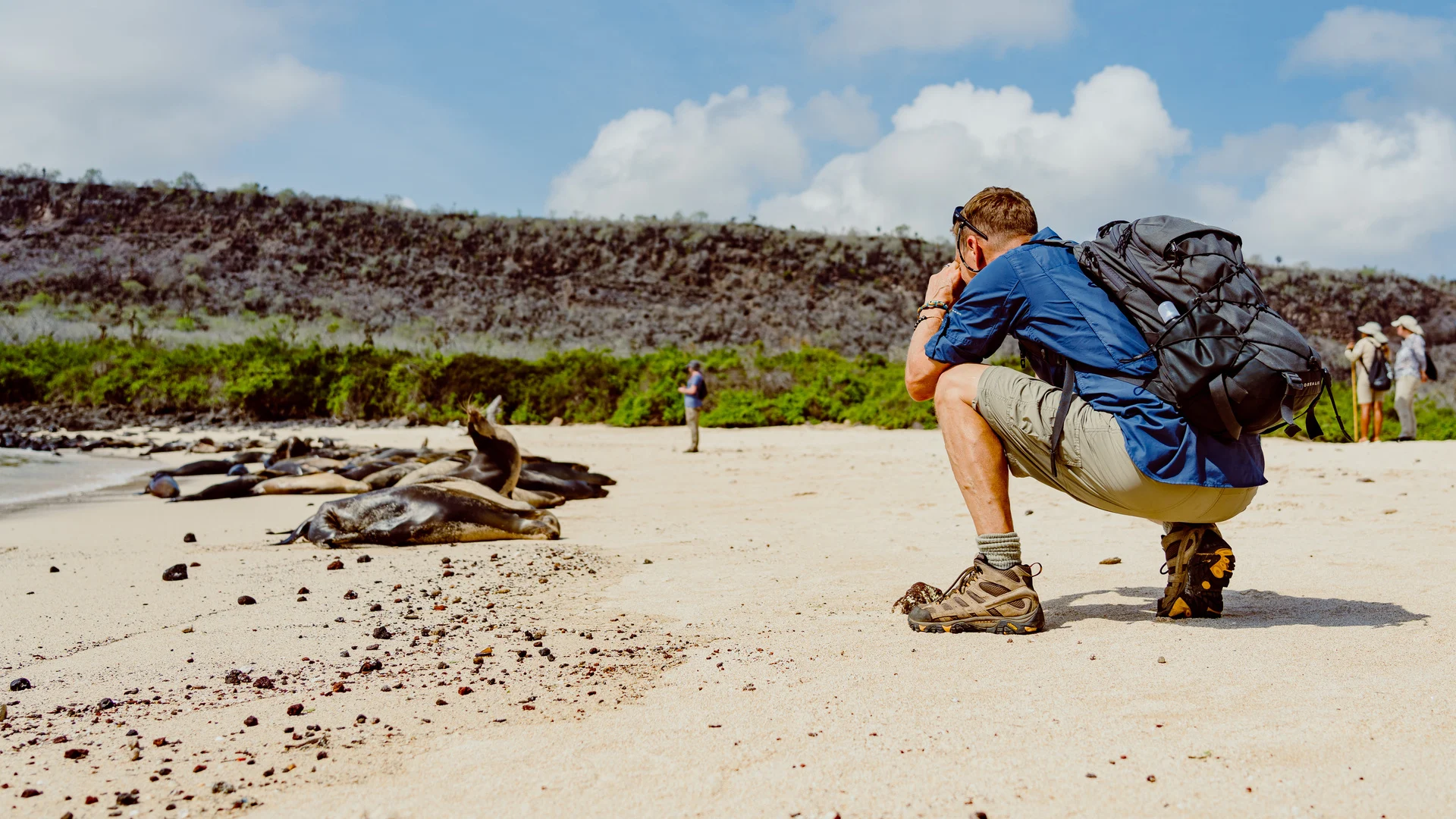
Keep a safe distance from animals, never feed wildlife, and avoid behaviour that could disturb natural habitats. The rules exist for a reason: to protect wildlife and keep encounters natural.
Reduce waste and avoid single use plastics
Bring reusable water bottles, bags, and containers where possible. Reducing single-use plastics helps minimise environmental impact in a remote island ecosystem.
Use eco-friendly products and materials
Choose biodegradable and eco-friendly personal care products to help protect marine environments. It is imperative to use reef-safe sunscreen to reduce the impact on delicate marine ecosystems and coral habitats.
Support local businesses and communities
Whenever possible, use local guides, services, and shops. This helps ensure tourism directly benefits island communities.
Sustainable Ways to Experience the Galápagos

Ecotourism in the Galápagos is built into the day-to-day experience. From how you move between islands to the activities you take part in, most experiences are designed to keep impact low while still bringing you close to the wildlife, including many of the Big 15.
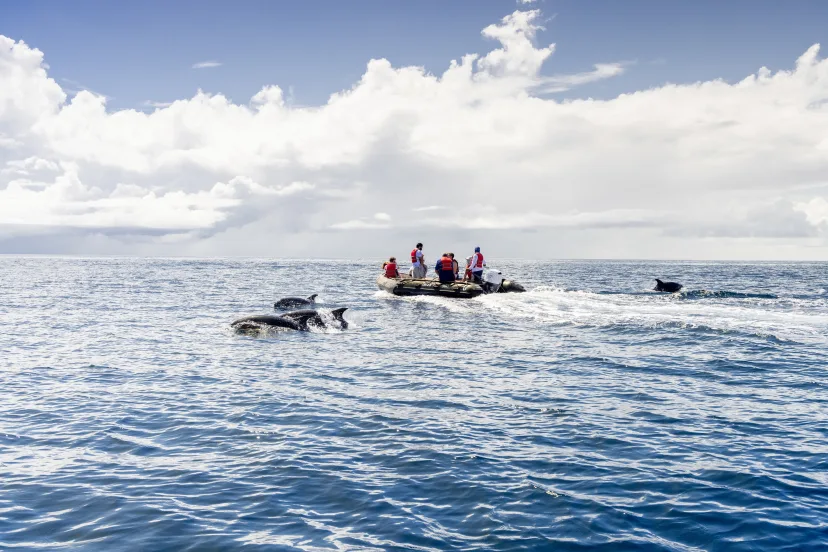
Small ship expedition cruises are one of the most effective ways to explore sustainably. They follow pre-approved itineraries that rotate through designated visitor sites with minimal impact. Guided wildlife excursions on land, plus snorkelling or diving trips, are carefully managed with strict rules on group size and interaction to protect marine and terrestrial ecosystems.
Visits to conservation centres, such as the Charles Darwin Research Station, also offer a chance to learn about ongoing protection efforts and see conservation in action.
If you’re planning your trip to the Galápagos, choosing the right ship size is one of the key decisions that will shape how you experience the islands. Read our guide to help you choose the right size Galápagos cruise ship for your journey.
What Not to Do in the Galápagos
To help protect the islands and their wildlife, there are a few simple but essential rules every visitor must follow. These guidelines are strictly enforced across all national park sites:
Do not touch or handle wildlife
Do not remove rocks, shells, plants, or any natural materials
Do not leave marked trails or designated paths
Do not feed or interfere with animals in any way
Read the full list of Galápagos National Park rules to help ensure the Galápagos remains as wild and undisturbed as possible for future generations.

How Your Visit Supports Conservation
Travelling to the Galápagos directly contributes to the protection and management of the islands, with visitor spending helping fund both conservation and local communities.
A portion of what you pay as a visitor goes towards national park fees, which support the ongoing management of protected areas, enforcement of regulations, and maintenance of visitor sites. Additional funding is directed into conservation projects, including habitat restoration, invasive species control, and long-term wildlife monitoring.
Tourism also plays a key role in local employment, providing jobs for naturalist guides, boat crew, park staff, and island-based services. This helps keep conservation and community livelihoods closely connected.
With your help as a responsible traveller, every visit becomes part of that system, supporting the protection and future of the Galápagos Islands.
Discover HX expeditions in the Galápagos Islands, including a trip through Nine of the Best Isles, or following in the footsteps of Charles Darwin.