HX & University of São Paulo: Sounds Good! – Listening to the voices of the Southern Ocean
Sounds Good! explores the natural soundscapes of Antarctica, South Georgia and the Falkland Islands to support conservation and research. Through this collaboration, guests gain unique insights into Southern Ocean wildlife and ecosystems.
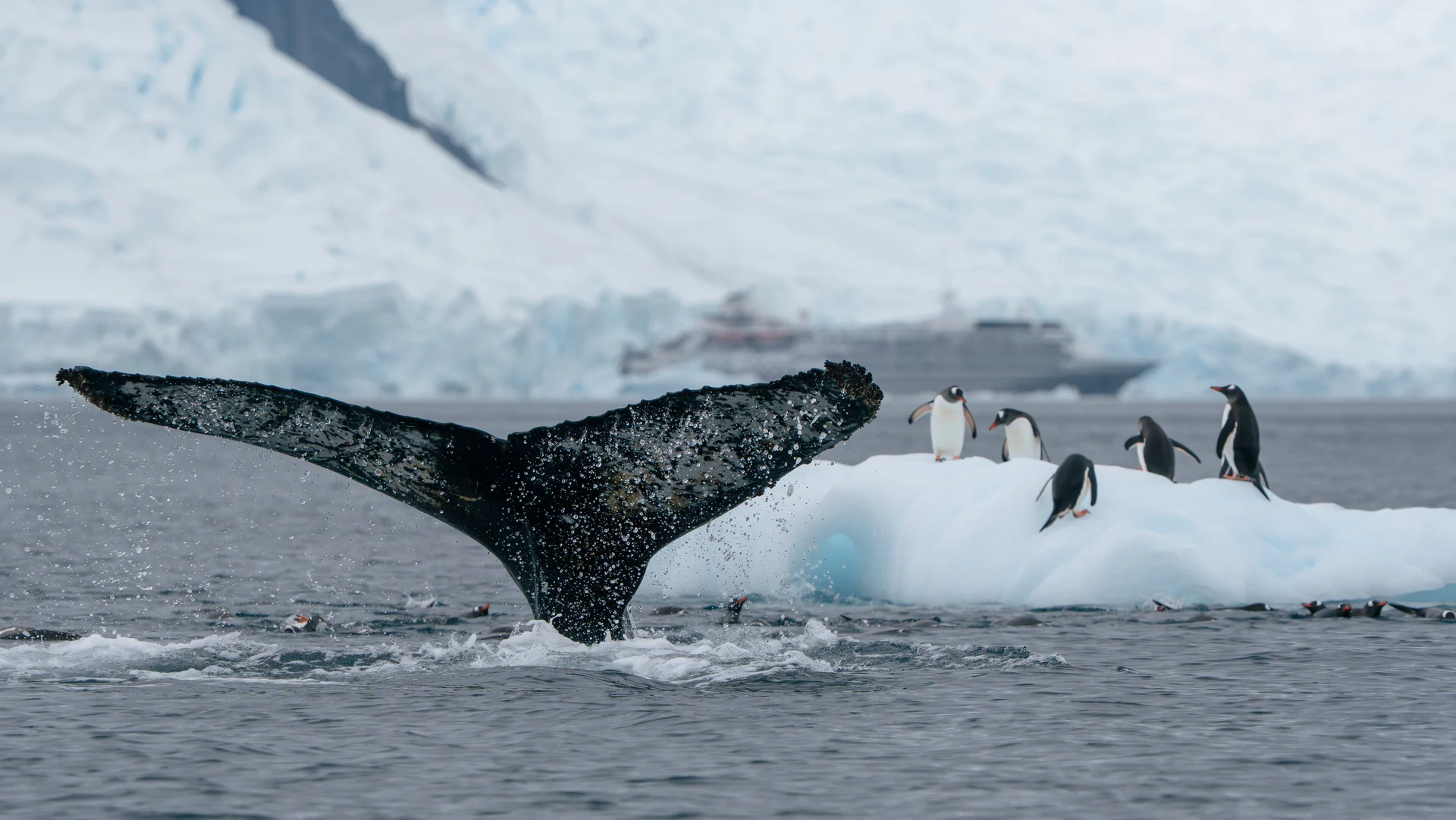
Through its collaboration with the University of São Paulo in Brazil, HX supports Sounds Good!, an innovative research and education project exploring the natural soundscapes of Antarctica, South Georgia and the Falkland Islands. Led by Professor Marcos César de Oliveira Santos, the project brings together bioacoustics, marine ecology, conservation and science communication to investigate the sounds produced by wildlife and their environment.
By using expedition vessels as research platforms, the collaboration allows scientists to document remote acoustic environments while giving guests a new perspective on the extraordinary wildlife and ecosystems they encounter.
Sounds Good!: Discovering the acoustic world of polar wildlife
Sound is an essential part of the natural world. From the calls of penguins and seabirds to the vocalisations of whales and seals, animals use sound to communicate, recognise one another and interact with their surroundings. Yet much of the acoustic diversity of the Southern Ocean remains poorly documented, particularly in remote areas and across different seasons.
Led by Professor Marcos Santos and the Laboratory of Biology and Conservation of Marine Mammals (LABCMA) at the University of São Paulo, Sounds Good! aims to build a better understanding of the natural soundscapes of polar environments. Using underwater hydrophones and specialised terrestrial recording equipment, researchers capture the vocalisations of marine mammals, seabirds and other wildlife, alongside environmental sounds such as wind, waves and ice. These recordings can help scientists examine species' acoustic behaviour, seasonal patterns in vocal activity and the influence of environmental conditions and human-generated noise on natural soundscapes.
Beyond its immediate research goals, the project also explores how relatively affordable acoustic recording technologies can expand monitoring capabilities in remote environments, supporting the development of long-term datasets. A key ambition is the creation of the Mother Nature Serenade Library, a collection of recordings that can support scientific research, education and a broader appreciation of the acoustic richness of the natural world.

HX & Sounds Good!: Capturing the sounds of Antarctica
HX has supported Sounds Good! since its first Antarctic field campaign during the 2024/25 season, when researchers joined MS Fram to collect recordings across the Falkland Islands, South Georgia and the Antarctic Peninsula. During this initial expedition, the team recorded approximately seven hours of acoustic material at 14 locations, documenting wildlife vocalisations and environmental soundscapes. Building on this successful pilot, the collaboration expanded during the 2025/26 Antarctic season, with researchers joining voyages aboard MS Fram, MS Roald Amundsen and MS Fridtjof Nansen.
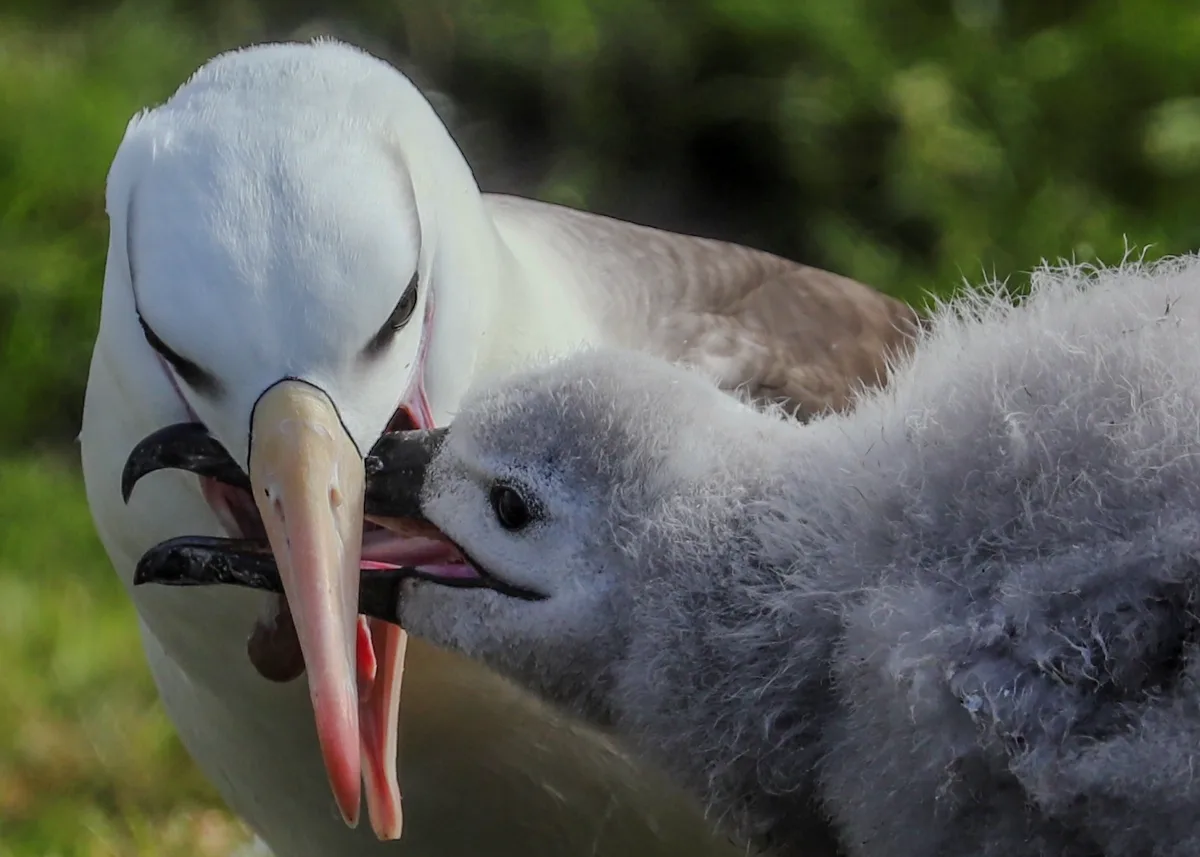
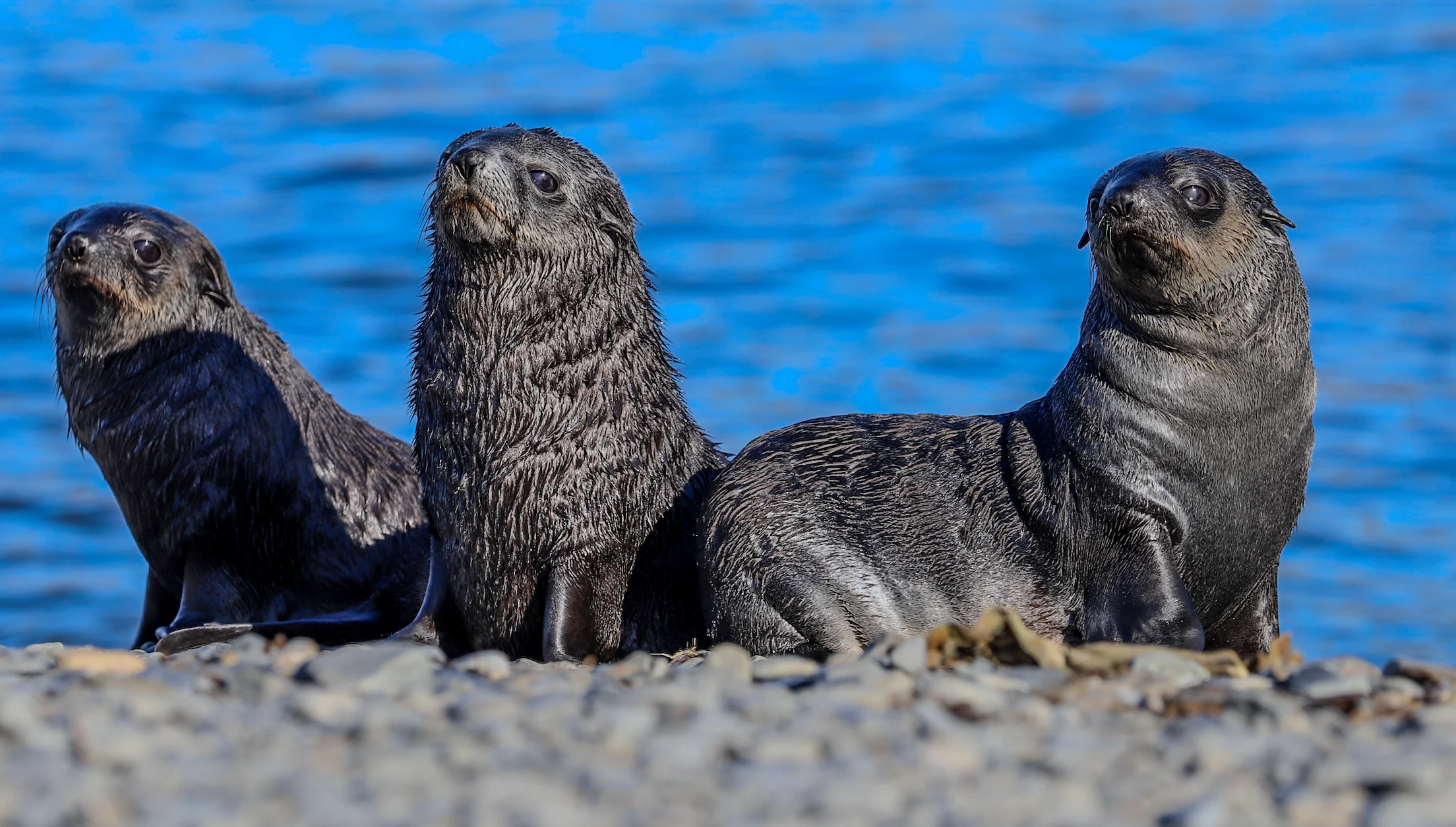
Across four expeditions, the team collected 241 recordings from 27 locations, representing approximately 16 hours of acoustic material. The recordings include sounds from penguins, black-browed albatrosses, Antarctic fur seals, humpback whales and orcas, contributing to a growing collection of acoustic observations from across the Southern Ocean.
Among the memorable encounters was an observation of approximately 30 orcas and two humpback whales during a January 2026 expedition, when researchers were able to combine visual observations, individual identification and acoustic recordings.
For guests, the project offers a different way of experiencing Antarctica. Through lectures, interactive sound demonstrations, Science Boat activities and informal conversations, researchers explain how animals produce and use sound and what scientists can learn by listening. Activities such as “Let's See Sounds!” allow guests to explore recordings visually and acoustically, revealing the patterns and complexity of wildlife vocalisations.
The collaboration brings scientific research directly into the expedition experience, encouraging guests to listen more carefully to the environments they visit and discover an aspect of Antarctic biodiversity that is often hidden from view.
From recordings to conservation: Understanding and protecting natural soundscapes
Acoustic recordings provide valuable information about wildlife that cannot always be obtained through visual observations alone. By documenting species vocalisations across different locations and seasons, Sounds Good! aims to contribute to understanding animal behaviour, habitat use and the acoustic characteristics of important polar environments.
The project also investigates how natural soundscapes may be affected by increasing human activity, including vessel noise, helping build the scientific evidence needed to better understand potential disturbances to wildlife. As the collection of recordings grows, researchers can begin to identify patterns and changes that may not be apparent from individual expeditions.
Beyond its scientific objectives, Sounds Good! has a strong educational and creative dimension. By making natural sounds accessible through recordings, interactive experiences and a developing sound library, the project encourages people to engage with polar environments through a different sense.
The team is also exploring opportunities to involve guests more directly in acoustic observations through accessible recording technologies, potentially expanding the project's citizen science dimension.