Staff Picks
Our team has explored every corner of our planet. Here are the voyages they'd choose for themselves — handpicked, personal, and backed by first-hand experience.

There's no one better placed to recommend a voyage than the people who make them happen. Our expedition team, crew, and onboard staff have collectively sailed to every corner of our planet — and along the way, each of them has found a journey that stayed with them. These are those journeys: personally chosen, honestly told, and backed by first-hand experience you won't find in any brochure.

Staff Pick #1

Arctic Norway
Recommended by Karin Strand, VP Expedition Development
As a Norwegian who grew up on the coastline, the sea has always been a natural part of my life. I haven't just heard stories about life along the coast; I have lived it. The changing weather, the connection between communities and the sea, and the sense of adventure that comes with life on the water have shaped how I experience Norway.
Perhaps that's why I have always wanted to showcase Norway from the ship's perspective. There is something special about approaching the coast from the sea, just as generations of sailors, fishermen, explorers, and coastal communities have done before us. It reveals a side of Norway that is both intimate and grand, and one that cannot be fully appreciated from land alone.
A winter voyage aboard MS Spitsbergen is, in my view, one of the most rewarding ways to experience this. Snow-covered mountains rise directly from the fjords, Arctic light transforms the landscape throughout the day, and the Northern Lights may appear overhead when darkness falls. The scenery is breathtaking, but it is the expedition approach that truly brings it to life.
With an experienced expedition team, onboard a vessel with intimate atmosphere every day becomes an opportunity to explore, learn and connect more deeply with the places we visit. Whether discovering coastal communities, or simply taking in the ever-changing scenery from deck, the journey is about much more than moving from one destination to the next.


Staff Pick #2

South Georgia
Recommended by Tudor Morgan, HX Antarctica Ambassador
I first sailed to South Georgia over 30 years ago. I didn't know quite what to expect, but I was blown away by its remoteness and ruggedness.
After two days at sea, you're suddenly confronted by an alpine mountain range jutting dramatically out of the ocean. Albatrosses and petrels swarm around the ship, while glaciers and snow-capped peaks contrast with the dark waters and waves of the South Atlantic. On the lower slopes, great swathes of green tussac grass sway in the wind.
It's impossible not to think of Sir Ernest Shackleton and his men crossing the island in 1916, without a map, after their ordeal on the Endurance. Looking at the terrain, you can only wonder: how could anyone have survived here?
As you sail into the bays, there's another, darker story written into the landscape. The vast, derelict whaling stations are a stark reminder of how close we came to hunting whales to extinction. At Grytviken, one of these stations has been cleaned up and made safe, giving you a real sense of the scale of the settlements that were built to harvest these giants of the deep for oil and meat.
In recent years, the abundance of whales has been a wonderful reminder of what conservation can achieve. Thirty years ago, whale sightings were few and far between. Today, they are much more common.
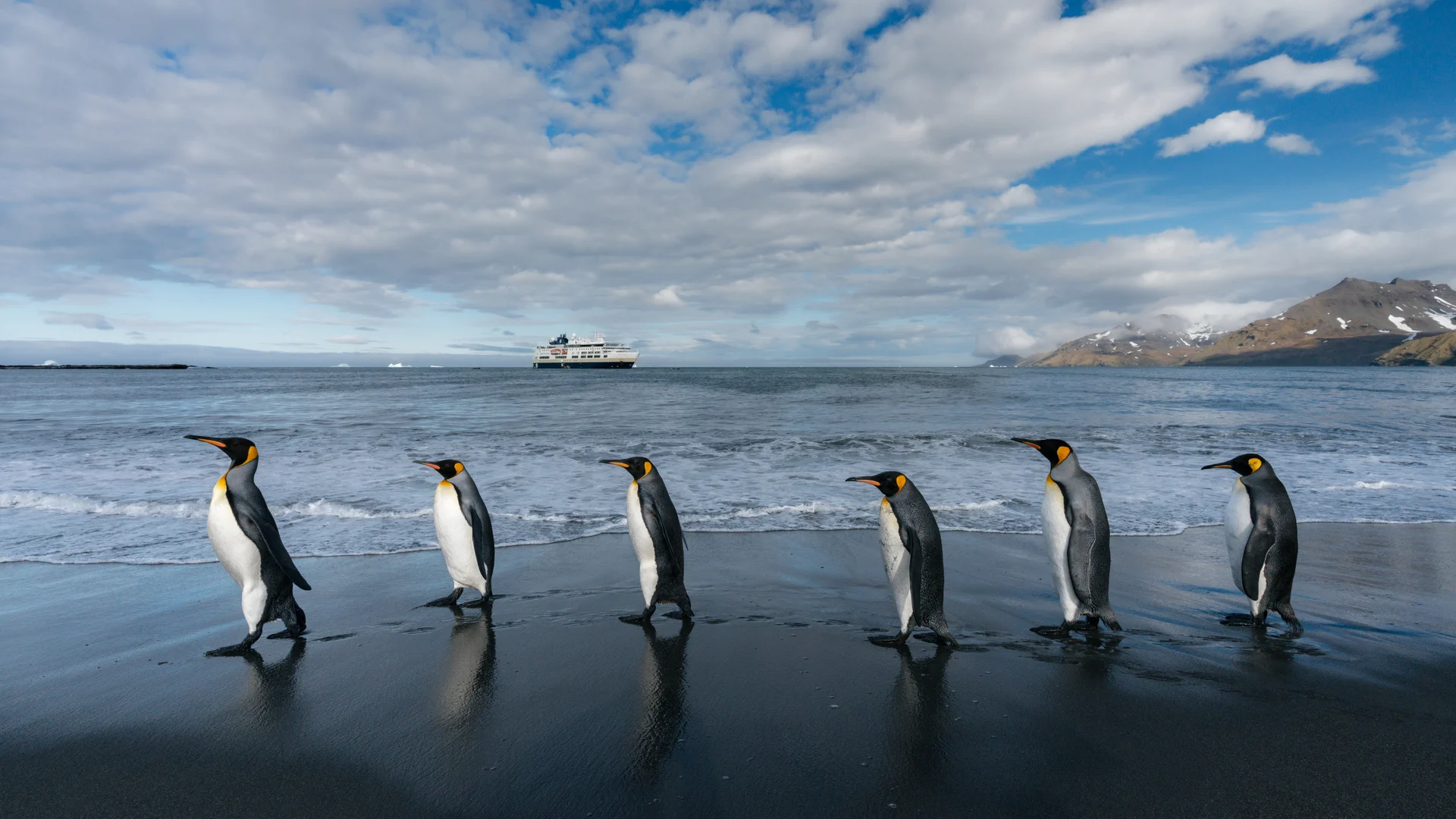
Then there's the wildlife on land. Going ashore at places such as Salisbury Plain and St Andrews Bay, the sheer size of the King Penguin colonies takes your breath away. It's easy to become completely absorbed in the scenery, so much so that you forget to watch where you're walking. Fur seals are everywhere, while bull elephant seals patrol their harems, keeping would-be suitors at bay.


South Georgia really does have it all. Every time I visit, the same emotions well up: a sense of immense privilege at being able to witness nature in such a raw and extraordinary form. There's a reason why so many of David Attenborough's films feature South Georgia. Seeing it really is believing, and experiencing a place like this first-hand makes you understand just how important it is that we protect it.
Staff Pick #3

The Galápagos Islands
Recommended by Dr Verena Meraldi, Chief Scientist
I first visited the Galápagos in 2021, and from the moment I stepped ashore, I felt lucky to be experiencing one of the world's great conservation success stories.
What strikes me is that this small volcanic archipelago, out in the vast Pacific, became one of the first places where protecting an entire ecosystem was recognised as essential. Local communities weren't displaced by conservation; they became partners in it, and beneficiaries of it.
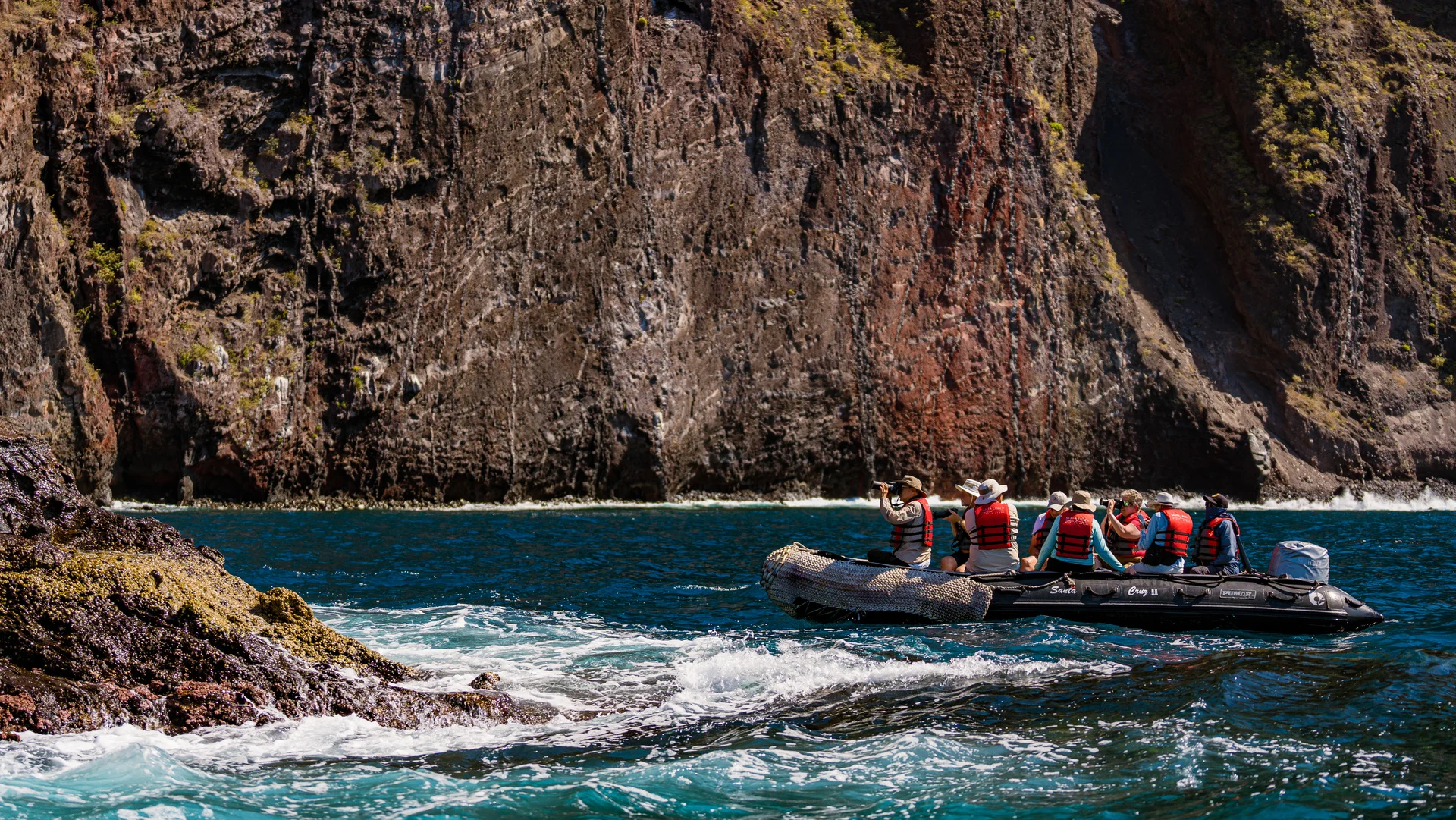
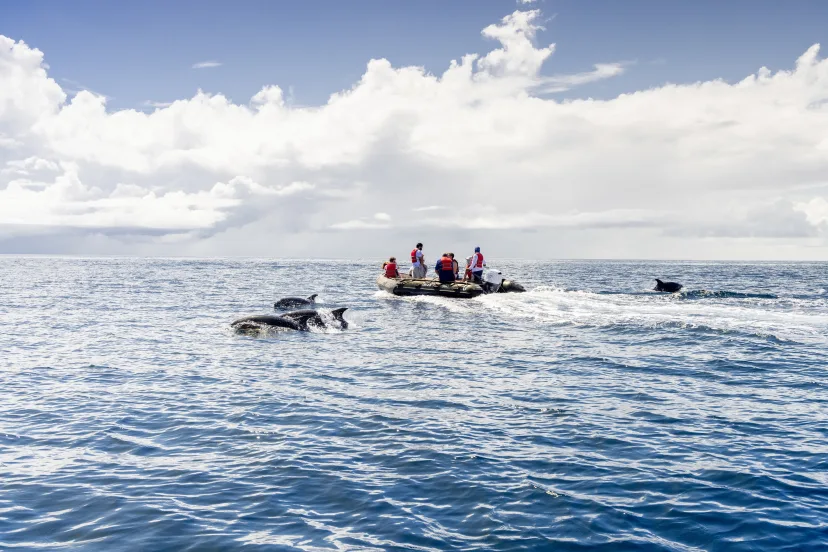
The vision was to safeguard the relationships between land, sea, and wildlife that make the Galápagos unlike anywhere else on Earth. Every island feels distinct, shaped by its own age, landscape, and ocean currents. Black lava fields give way to white sand beaches. Towering cacti overlook turquoise bays. Colonies of sea lions rest beside the trails, hardly reacting to the people walking past.
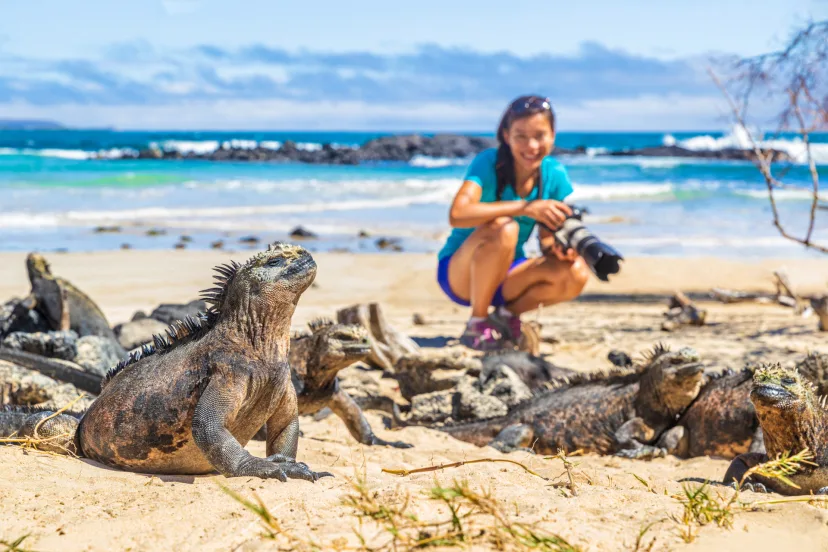
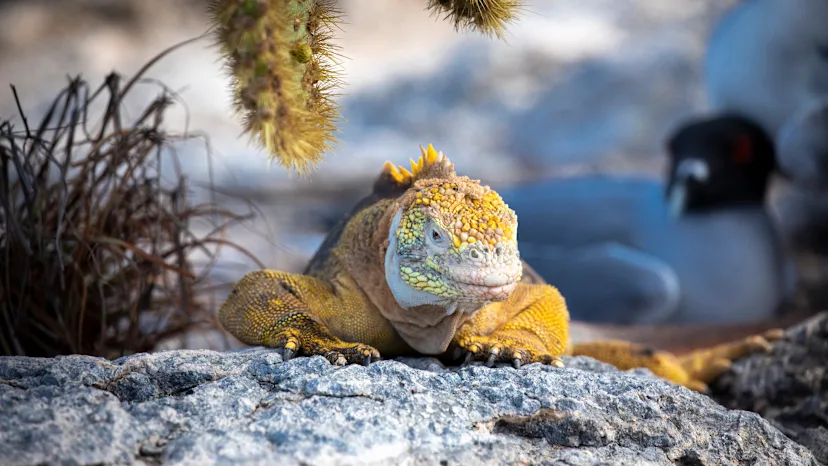
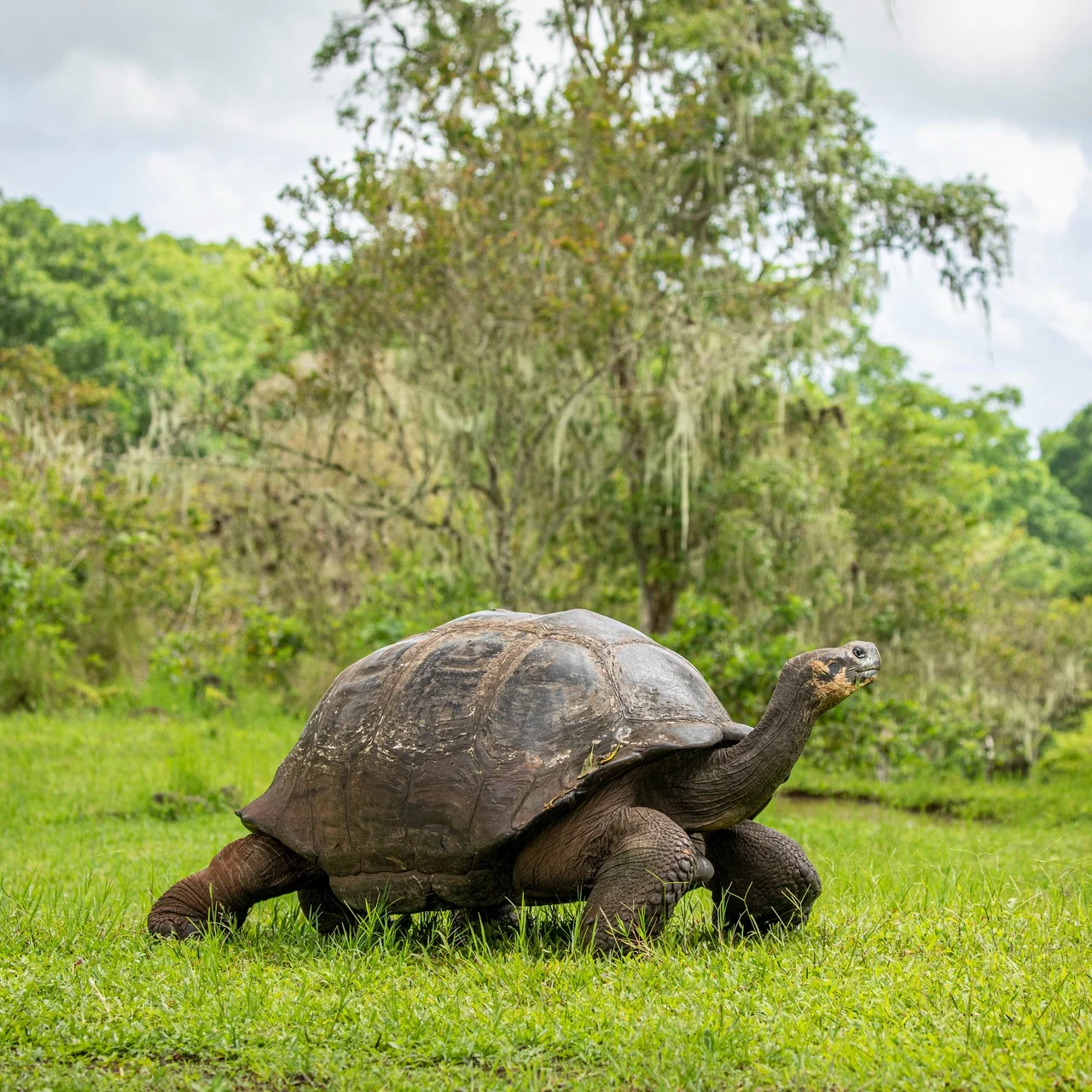
The wildlife stands out not just for its diversity, but for its tameness. Blue-footed boobies perform their courtship dances only metres away. Marine iguanas bask in the sun, then dive to graze on algae. Giant tortoises wander slowly through the highlands. And tiny Darwin's mockingbirds quietly remind you that these islands defined our understanding of evolution.

Every visit leaves me with a renewed sense of wonder. The Galápagos is a living example of what can be achieved when science, conservation, local communities, education, and responsible tourism work together. It reminds us that restoring and safeguarding our natural world depends not only on protecting ecosystems, but on helping people understand, value, and connect with them. The Galápagos gives me hope that, through knowledge, shared stewardship, and informed action, we can conserve other places worth protecting for generations to come.