HX & ORCA: Turning whale observations into conservation action
ORCA is one of the UK’s leading whale and dolphin conservation charities, dedicated to the long-term protection of these beautiful animals and their habitats in the UK and European waters.

South Georgia's waters were once the centre of the Antarctic whaling industry. Today, they're be coming a stage for one of the greatest recovery stories in the natural world – and HX is helping to document it. Since 2022, HX has been working with marine conservation charity ORCA, alongside the British Antarctic Survey (BAS) and the Government of South Georgia and the South Sandwich Islands, to better understand recovering whale populations in the Southern Ocean. Using MS Fram as a research platform, this long-term collaboration is helping scientists identify important whale habitats, understand the risks posed by increasing vessel traffic, and provide evidence to inform conservation measures.
Monitoring the return of whales to South Georgia
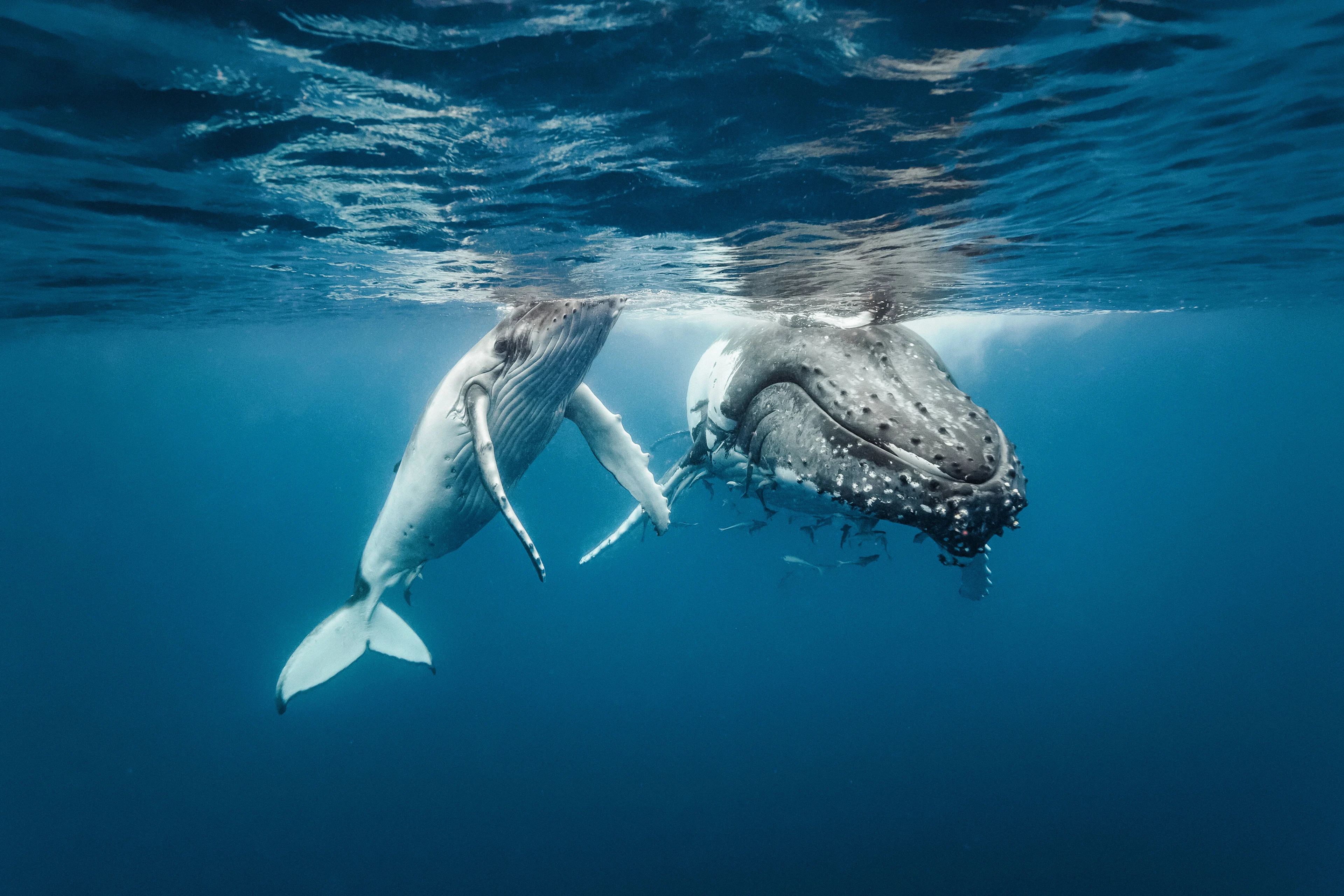
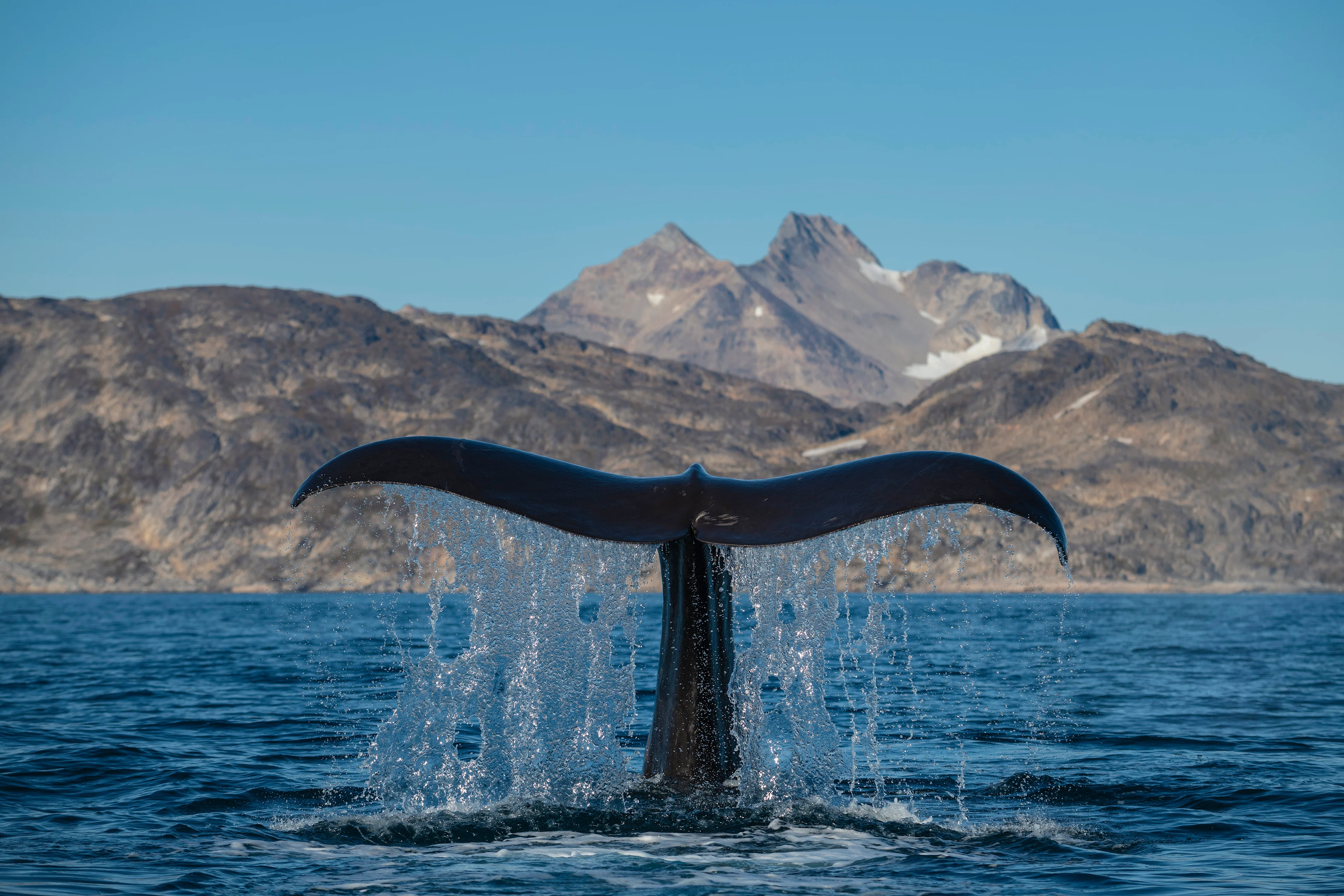
An estimated 30,000 or more whales visit South Georgia's waters each summer. Three decades ago, you'd have been hard pressed to find any. That recovery is remarkable, but it brings new challenges. As whale numbers grow and maritime activity increases, understanding where whales concentrate – and when – is essential to reducing the risk of vessel strikes. Several of the species returning to these waters are still endangered or recovering. Protecting them means knowing where they are – and that's exactly what this research helps do. Through dedicated surveys from MS Fram, ORCA researchers systematically record whale sightings, species, numbers, and distribution, building a valuable dataset across successive Antarctic seasons. The project is now part of the wider Darwin Plus Sustained Monitoring Project, supporting long-term monitoring of whale populations around South Georgia. During HX's 2025–2026 sailing season, researchers completed more than 206 hours of dedicated surveys, recording 15 cetacean species and contributing to a growing understanding of how whale populations are recovering in these waters.
Bringing whale conservation into the expedition experience
The collaboration goes well beyond collecting data. ORCA researchers work alongside our bridge crews and Expedition Teams, sharing expertise on whale identification, monitoring, and vessel avoidance, and training team members to support the surveys.
For guests, the research becomes part of the expedition itself. Through lectures, wildlife watches, workshops, and conversations with the scientists on board, you can discover how whale observations contribute to understanding and safeguarding these remarkable animals. You can even get involved directly, recording whale and dolphin sightings through ORCA's OceanWatchers citizen science project.
What began as a monitoring initiative has grown into a long-term collaboration where research, conservation, and the expedition experience come together.