Inside-Passage oder die Aleuten: Zwei völlig unterschiedliche Alaska-Expeditions-Seereisen
Inside-Passage oder Aleuten? Vergleichen Sie die beiden unterschiedlichen Expeditionsrouten Alaskas – von der Tierwelt über die Landschaften bis hin zu dem, was Sie auf jeder Reise erwartet.
Lesedauer 1 Minuten
Last updated 14. Mai 2026
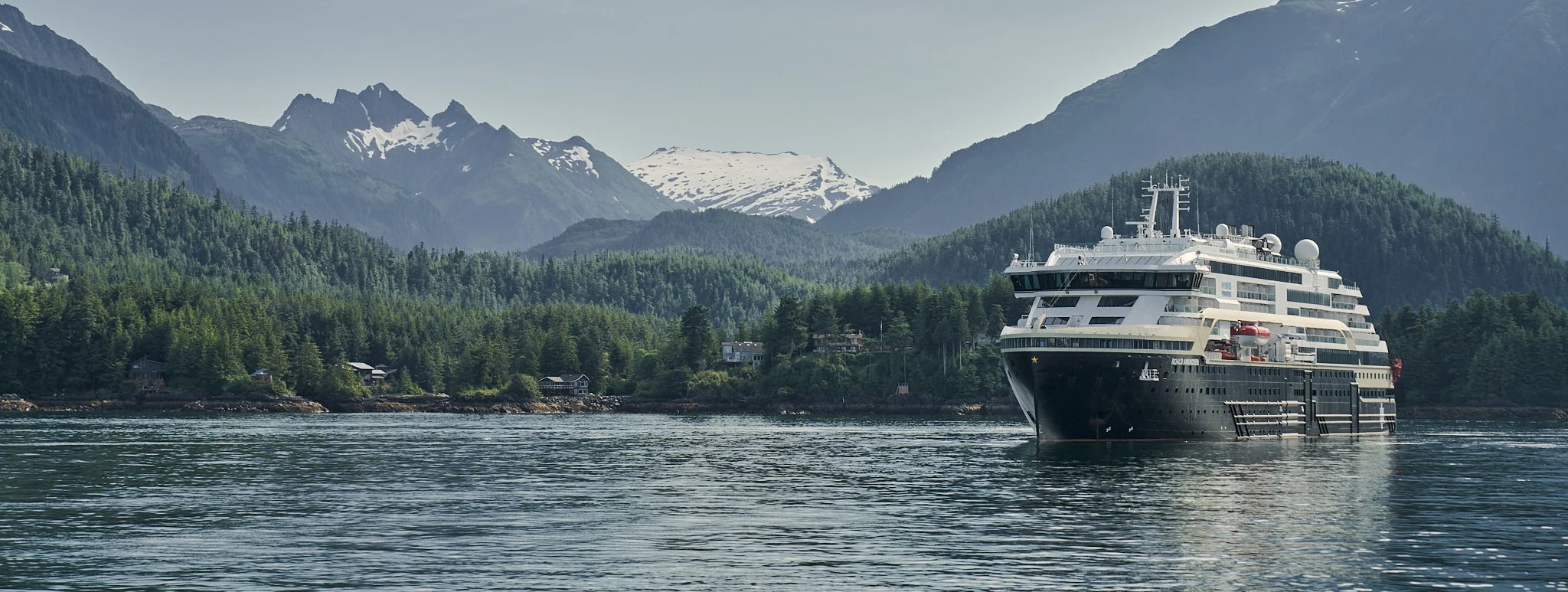
Alaska offenbart zwei faszinierende Welten: die Inside-Passage mit ihren geschützten Wasserwegen, uralten Wäldern und von Gletschern geformten Fjorden sowie die Aleuten, eine abgelegene vulkanische Inselkette im Nordpazifik. Beide bieten einzigartige Expeditionserlebnisse – von beeindruckender Tierwelt bis hin zu unvergesslichen Landschaften.
Was erwartet Sie in diesem Artikel?
Was ist die Inside-Passage?
Was sind die Aleuten?
Landschaften: Fjorde oder Vulkane
Tierwelt: Was Sie in den jeweiligen Regionen sehen können
Wichtige Reiseziele: Von Juneau über Dutch Harbour bis Nome
Wo in Alaska lässt sich das Nordlicht am besten beobachten?
Wetter- und Seebedingungen
Für wen sich welche Route besonders eignet
Kann man beides auf einer einzigen Expeditions-Seereise erleben?
Was ist die Inside-Passage?
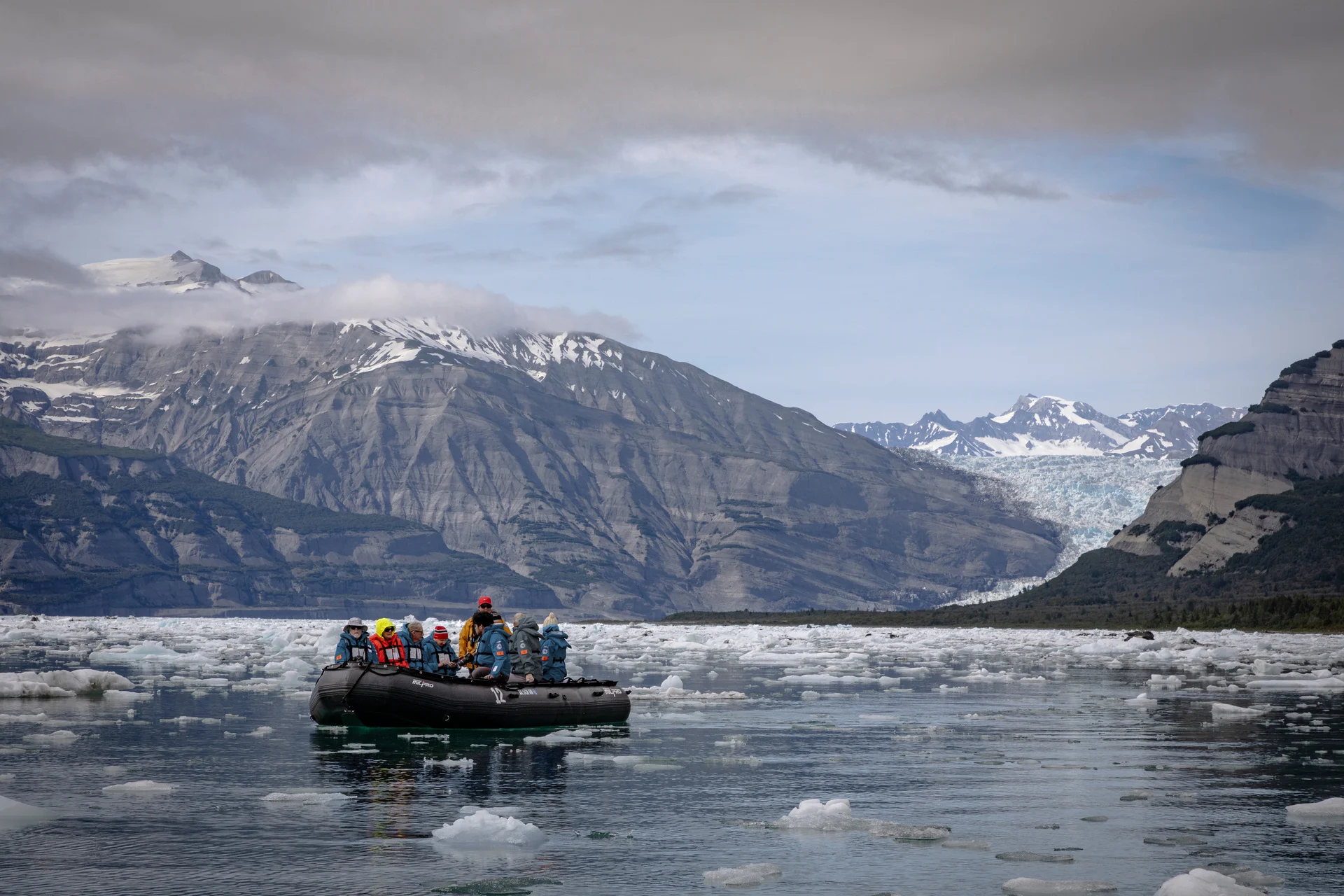
Die Inside-Passage ist Alaskas klassische Küstenroute. Sie besteht aus einem Netz geschützter Wasserwege, die sich entlang der Südostküste durch Inseln, Fjorde und schmale Kanäle ziehen. Hier ragen Berge direkt aus dem Meer empor, Wälder schmiegen sich an steile Hänge, und Gletscher reichen bis an die Salzwasserbuchten.
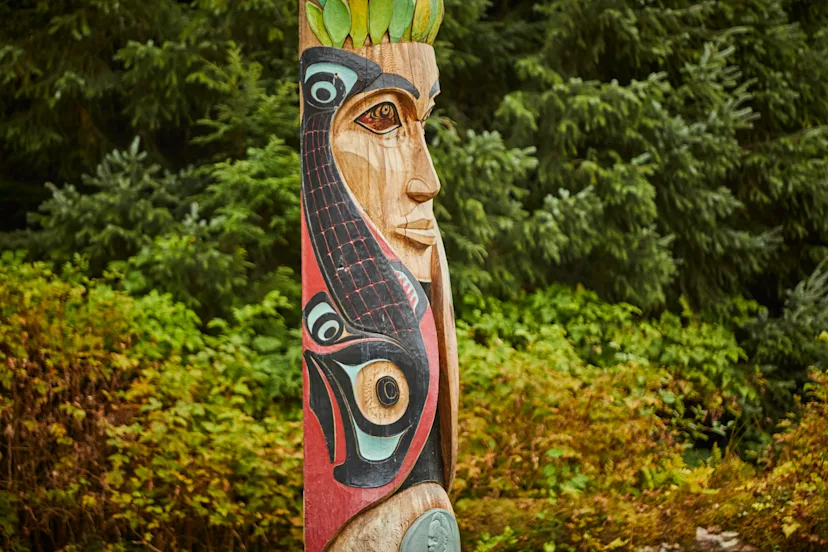
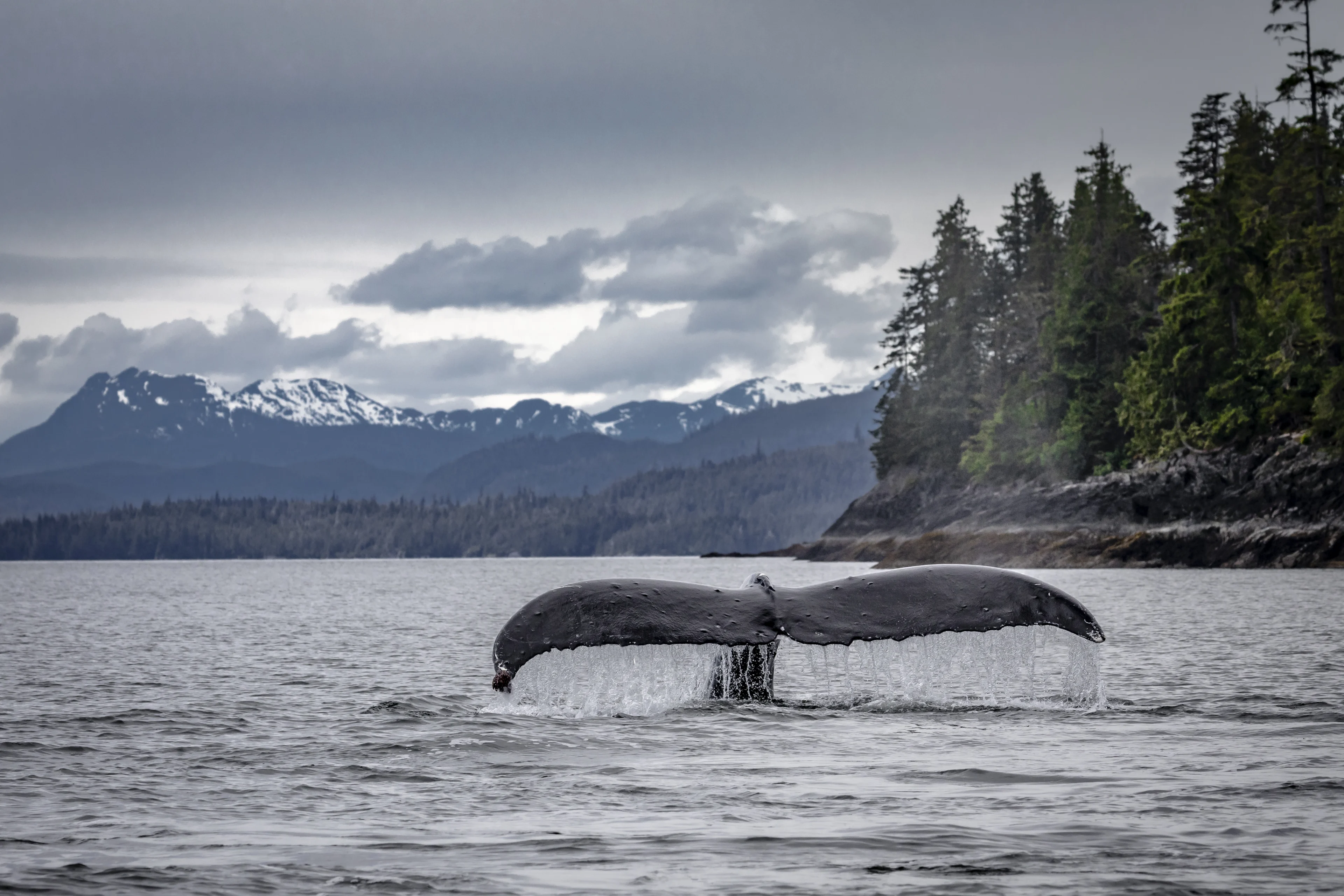
Hier zeigt sich Alaska von seiner zugänglichsten Seite. Orte wie Klawock und Alert Bay gewähren Einblicke in indigene Kulturen und die Geschichte der Grenzregionen, während die Wasserwege selbst Begegnungen mit Buckelwalen, die die Meeresoberfläche durchbrechen, und Braunbären, die nach Nahrung suchen, ermöglichen. Die Landschaft ist üppig, eindrucksvoll und einladend – ideal für alle, die die ganze Größe Alaskas erleben möchten, ohne sich weit von der Zivilisation zu entfernen.
Was sind die Aleuten?
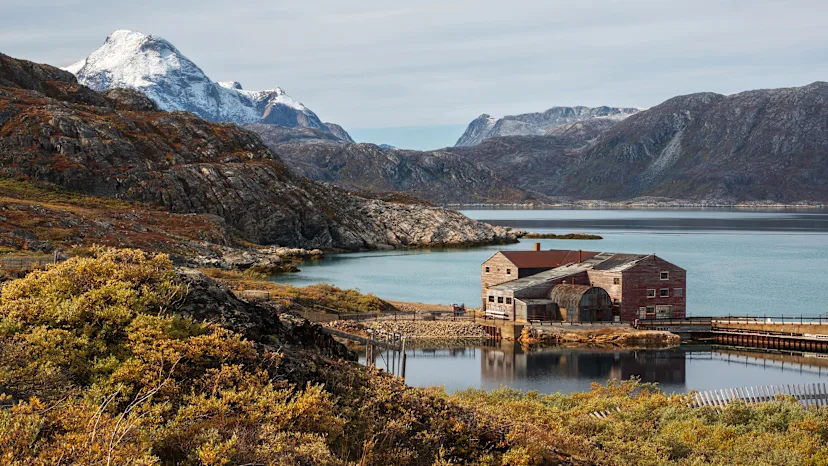
Die Aleuten bilden einen mehr als 1.900 km langen, zerklüfteten Bogen aus Inseln, der die Beringsee vom offenen Ozean trennt und sich über den Pazifik erstreckt. Dies ist Alaska, reduziert auf das Wesentliche: Vulkangipfel, windgepeitschte Tundra und Gewässer voller Leben.
Nur wenige Reisende besuchen die Aleuten. Es gibt hier weder Wälder noch ausgetretene Pfade. Stattdessen erwartet Sie eine Abgeschiedenheit von fast unwirklichem Ausmaß: Seevogelkolonien, die in die Millionen gehen, von Feuer und Eis geformte Landschaften und das Gefühl, am Rande der bekannten Welt zu stehen. Dies sind Expeditions-Seereisen in ihrer reinsten Form.

Landschaften: Fjorde oder Vulkane
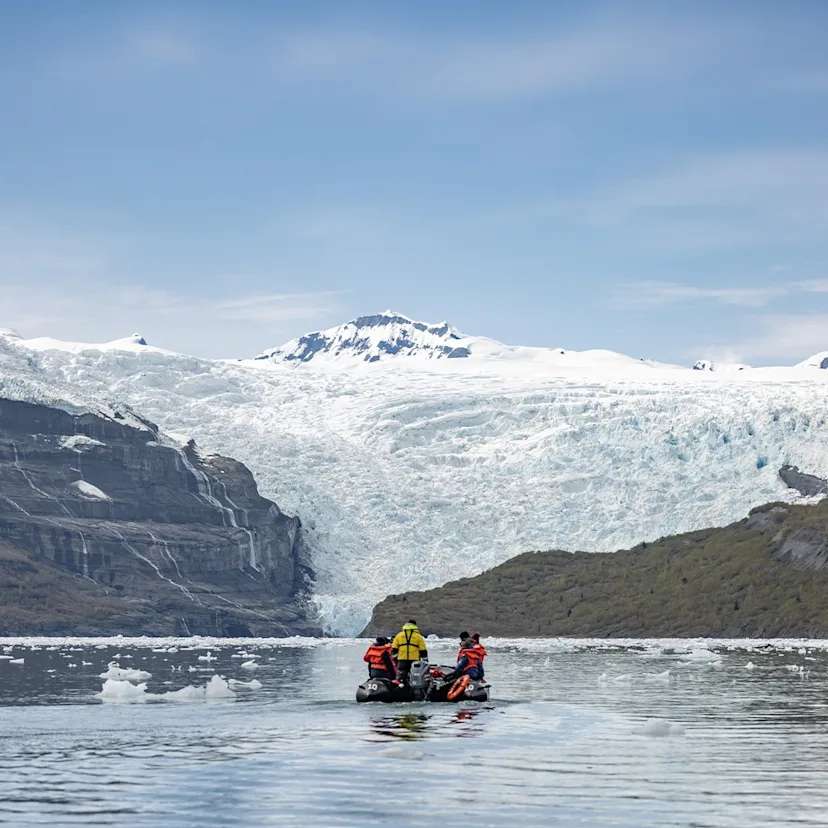
Die Inside-Passage entfaltet sich als Abfolge grüner Berglandschaften, schmaler Wasserwege und Gezeitengletscher, die Eis in geschützte Buchten kalben. Das Licht verändert sich hier ständig: Es wird durch Nebel gefiltert, der die moosbedeckten Felsen hervorhebt, oder es wird im Sprühnebel abbrechender Gletscher eingefangen.
Die Aleuten präsentieren eine völlig andere Landschaft. Diese Inseln erheben sich aus dem Meer als Teil des Pazifischen Ozeans und seines Feuerrings – einer Kette aktiver und ruhender Vulkane, die den Horizont prägt. Es gibt keine Bäume, die den Anblick mildern. Stattdessen bestimmen Tundragräser, die sich im beständigen Wind wiegen, sowie schwarze Sandstrände und vulkanische Krater das Landschaftsbild. Die Schönheit dieser Region wirkt ursprünglich, rau und unvergesslich.
Tierwelt: Was Sie in den einzelnen Regionen sehen können
Die Inside-Passage ist das Land der Wale. Buckelwale fressen den ganzen Sommer über in diesen nährstoffreichen Gewässern und springen oft nah am Ufer aus dem Wasser. Orcas patrouillieren in den Kanälen, während Braunbären die Küsten durchstreifen, um nach Lachsen zu suchen. Weißkopfseeadler sitzen oben in den Fichten und Seehunde lagern auf treibendem Eis. Erleben Sie die Tierwelt Alaskas.
Die Aleuten bieten ein Spektakel der Tierwelt von ganz neuem Ausmaß. Hier bedecken Seevogelkolonien die Klippen mit Millionen von Schopflunden, Alken und Trottellummen, die in dichten und lautstarken Konzentrationen nisten. Nördliche Seebären versammeln sich zu Tausenden an abgelegenen Stränden. Seeotter treiben vor der Küste in Kelpwäldern. In den tieferen Gewässern begegnen Ihnen unter Umständen Arten, die man anderswo nur selten zu Gesicht bekommt. Nordkaper, Pottwale oder Steller-Seelöwen. Die Aleuten zählen zu den biologisch produktivsten marinen Ökosystemen der Erde.
Für weitere Informationen, werfen Sie gern einen Blick in unsere Artikel zur Tierwelt Alaskas und zu den Seevögeln des Nordpazifiks .

Weißkopfseeadler in Alaska

Wichtige Reiseziele: Von Juneau über Dutch Harbour bis Nome
In der Inside-Passage fühlen sich Hafenorte wie echte Entdeckungen an. Sitka vereint russische Kolonialarchitektur mit Kulturstätten der Łingít. Ketchikan gilt als Tor zu den Misty Fjords, während der Glacier Bay-Nationalpark zu den eindrucksvollsten Naturwundern Alaskas zählt.
Auf den Aleuten gibt es dagegen statt etablierter Orte nur abgelegene Außenposten. Dutch Harbour auf Unalaska Island ist ein aktiver Fischereihafen, umgeben von vulkanischen Berggipfeln. Nome, am Rand der Beringsee gelegen, trägt noch heute die Spuren des Goldrausches und gilt als Tor zur Arktis. Darüber hinaus führen Anlandungen zu unbewohnten Inseln, deren Strände vielleicht nur von einer Handvoll Menschen pro Jahr besucht werden.
Wo in Alaska kann man das Nordlicht am besten beobachten?
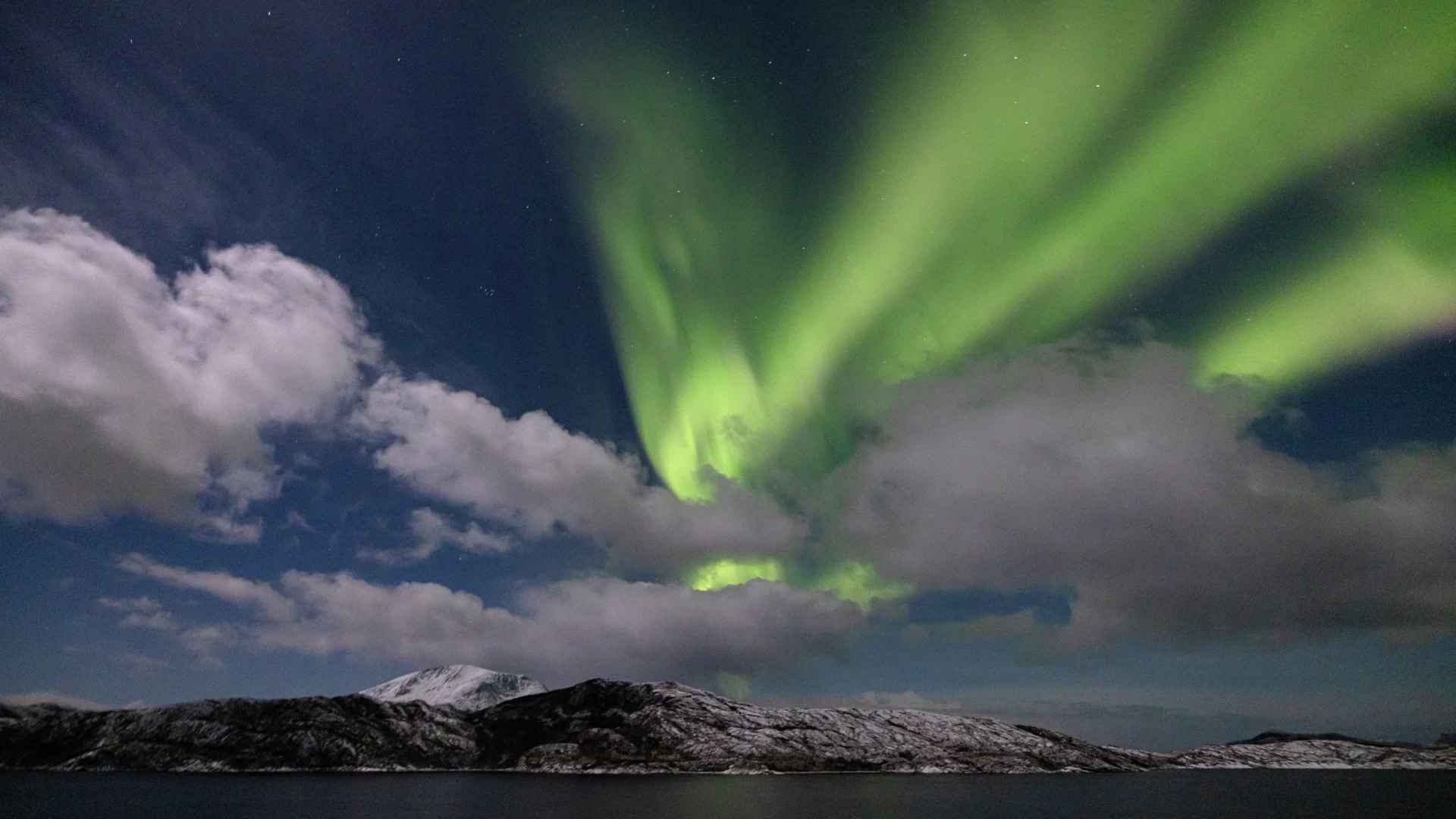
Am zuverlässigsten ist das Nordlicht im Landesinneren zu sehen, fernab von Küstenwetter und Lichtverschmutzung. Fairbanks im Landesinneren von Alaska liegt unter dem Polarlichtoval und bietet einige der besten Sichtungsbedingungen der Welt: Klarer Himmel und lange Winternächte schaffen ideale Voraussetzungen, um das Nordlicht zu erleben.
In Küstenregionen wie der Inside-Passage und den Aleuten sind Nordlichter seltener zu sehen. Maritime Wettersysteme bringen Wolken mit sich und die Phasen echter Dunkelheit während der sommerlichen Expeditionen sind kürzer, sodass das Nordlicht nur selten zu sehen ist. Wenn das Nordlicht für Ihr Alaska-Erlebnis von entscheidender Bedeutung ist, sollten Sie eine Verlängerung Ihrer Reise ins Landesinnere oder eine Seereise in der Spätsaison, beispielsweise im September, in Betracht ziehen, wenn die Dunkelheit langsam zurückkehrt.
Wetter- und Seebedingungen
Die Inside-Passage ist für ihre vergleichsweise milden Bedingungen bekannt. Geschützt von Inseln und Bergen bleiben diese Gewässer selbst dann relativ ruhig, wenn Stürme durch die Region ziehen. Im Sommer reichen die Temperaturen von kühl bis angenehm mild. Es regnet häufig, der Regen ist jedoch meist leicht. Die geschützten Wasserwege sorgen für eine ruhigere Seereise, was besonders für Gäste, die zu Seekrankheit neigen, angenehm ist.
Die Aleuten bieten keinen solchen Schutz. Diese Inseln sind den Wetterlagen des Nordpazifiks vollständig ausgesetzt, und die Bedingungen können sich dort innerhalb weniger Stunden drastisch verändern. Wind gehört hier zum Alltag, die See kann rau sein, und dichter Nebel hüllt die Inseln oft tagelang ein. Das ist jedoch kein Nachteil, sondern macht den besonderen Reiz dieser Region aus. Hier zeigt sich das Wetter ursprünglich und kraftvoll und erinnert Sie daran, dass Sie durch eine der wildesten Meereslandschaften unseres Planeten reisen.
Für wen sich welche Route besonders eignet
Die Inside-Passage eignet sich besonders für Gäste, die Alaska zum ersten Mal besuchen, sowie für Reisende, die Erreichbarkeit mit beeindruckender Natur verbinden möchten. Wenn Sie Gletscher, Wälder und Tierwelt erleben möchten und zugleich den Komfort etablierter Häfen sowie kulturelle Begegnungen schätzen, bietet diese Route all das, was Alaska so besonders macht, ohne dass Sie dabei auf Komfort verzichten müssen.
Die Aleuten hingegen sprechen erfahrene Reisende an und all jene, die sich zu Orten hingezogen fühlen, die nur wenige Menschen erreichen. Wenn Sie sich nicht vor wechselhaftem Wetter, längeren Tagen auf See und von den Bedingungen abhängigen Anlandungen scheuen, erwartet Sie hier weit mehr als beeindruckende Landschaften. Diese Route schenkt Ihnen die besondere Erfahrung, Natur und Tierwelt in nahezu unberührten Regionen zu erleben.

Kann man beides auf einer einzigen Expeditions-Seereise erleben?
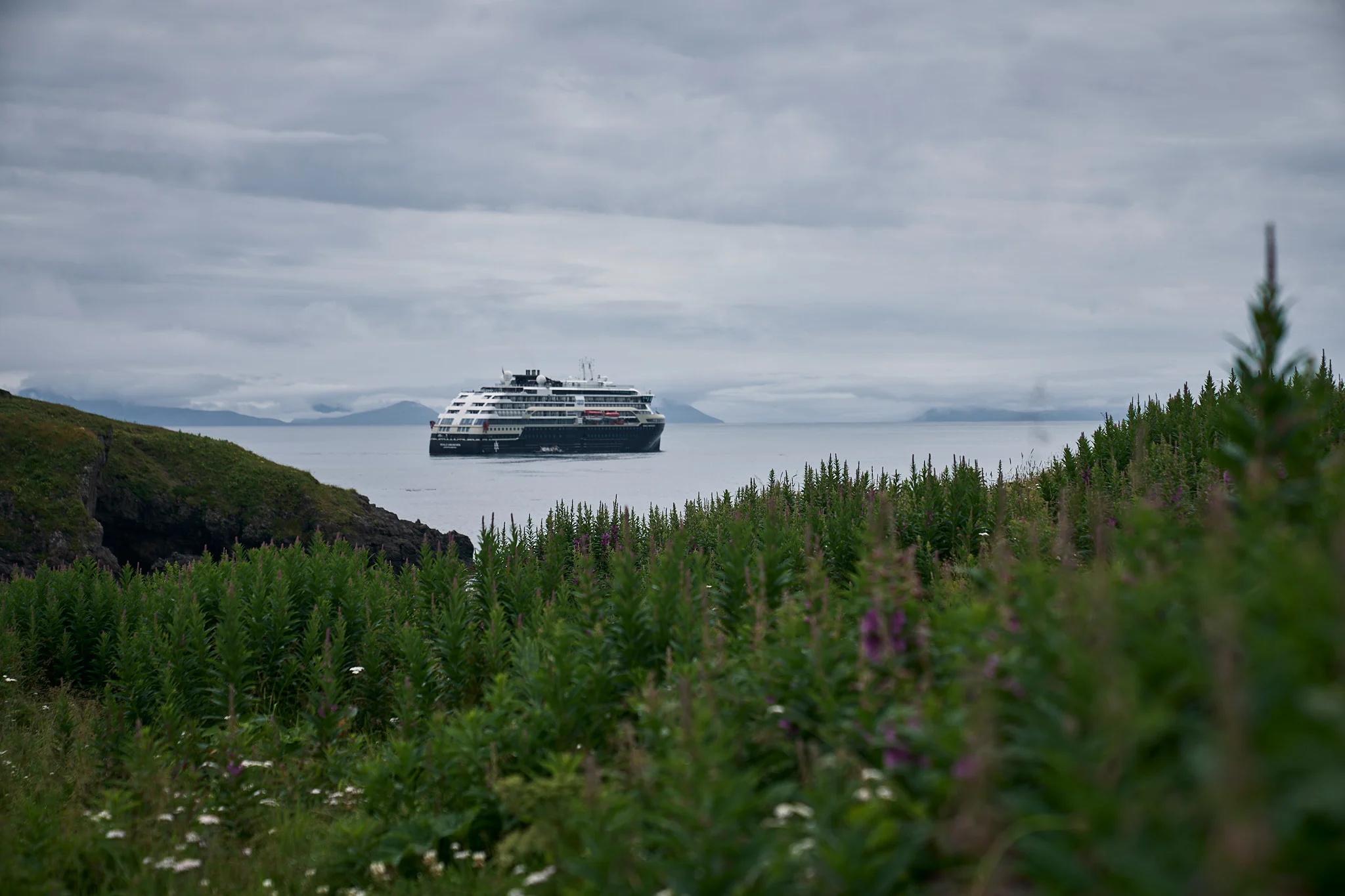
Das ist möglich. Längere Seereisen kombinieren beide Regionen in einer einzigen Reise und bieten das gesamte Spektrum von Alaskas Charakter – von den bewaldeten Fjorden des Südostens bis zu den Vulkaninseln des fernen Westens. Diese umfassenden Expeditions-Seereisen erstrecken sich in der Regel über zwei bis drei Wochen, sodass genügend Zeit bleibt, um zwischen den Lebensräumen zu wechseln und die dramatischen Kontraste zu bewundern.
Eine solche Seereise ist unsere Expeditions-Seereise Alaska und Kanada: Aleuten, Bären und die Inside-Passage – Kurs Süd zeichnet diesen bemerkenswerten Bogen von Norden nach Süden nach und verbindet zwei der markantesten Küstenlandschaften des Erde miteinander.
Zusammenfassung: Inside-Passage oder Aleuten?
Die Inside-Passage und die Aleuten zeigen zwei ganz unterschiedliche Seiten Alaskas: die eine zugänglich und geprägt von dichten Wäldern, die andere abgelegen und ursprünglich. Welche Art von Erlebnis spricht Sie mehr an: der Komfort etablierter Routen und die vielseitige Tierwelt oder die Faszination einer wilden Region, die nur wenige Menschen je betreten haben? Ganz gleich, wofür Sie sich entscheiden – Sie erleben ein Alaska, das Ihren Blick auf die Welt verändern wird.
Sind Sie bereit für Ihre Entdeckungsreise? Erkunden Sie unsere Alaska-Expeditionen oder erfahren Sie mehr über dieses Reiseziel in unserem umfassenden Alaska-Reiseführer oder den häufig gestellten Fragen zu Alaska.