Dr. Verena Meraldi | Chief Scientist
From becoming the cruise industry's first Chief Scientist to helping shape and grow HX's Science & Education Programme, Verena has spent nearly two decades bringing science, exploration, and people closer together.
Driven by curiosity, inspired by what comes next
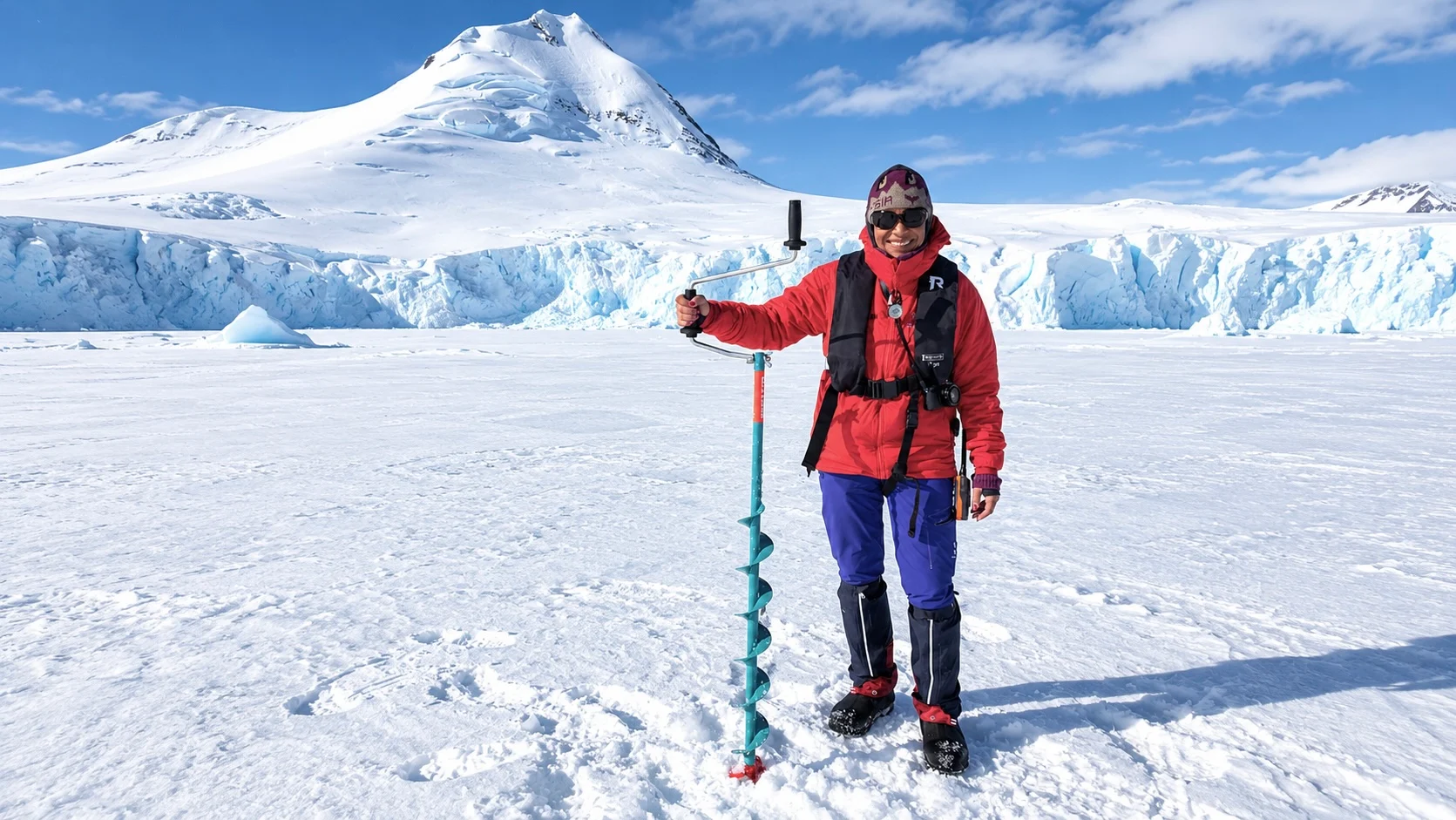
A Swiss-Mexican biologist, lifelong explorer, and passionate birdwatcher and photographer, Verena believes that the more closely we look at the natural world, the more we understand it, and the more we want to safeguard it. Born in Mexico City, she studied biology at the National Autonomous University of Mexico (UNAM) before moving to Switzerland, where she completed a PhD in Immunology at the University of Lausanne and went on to work at the Ludwig Institute for Cancer Research. Her journey with HX began in 2007 as a lecturer – the same year she first travelled to Antarctica. That experience proved transformative. Seeing firsthand how encountering a place as extraordinary as Antarctica could change the way people think about our planet convinced her that expedition travel could be a powerful force for understanding and conservation.

What is the best thing about your job?
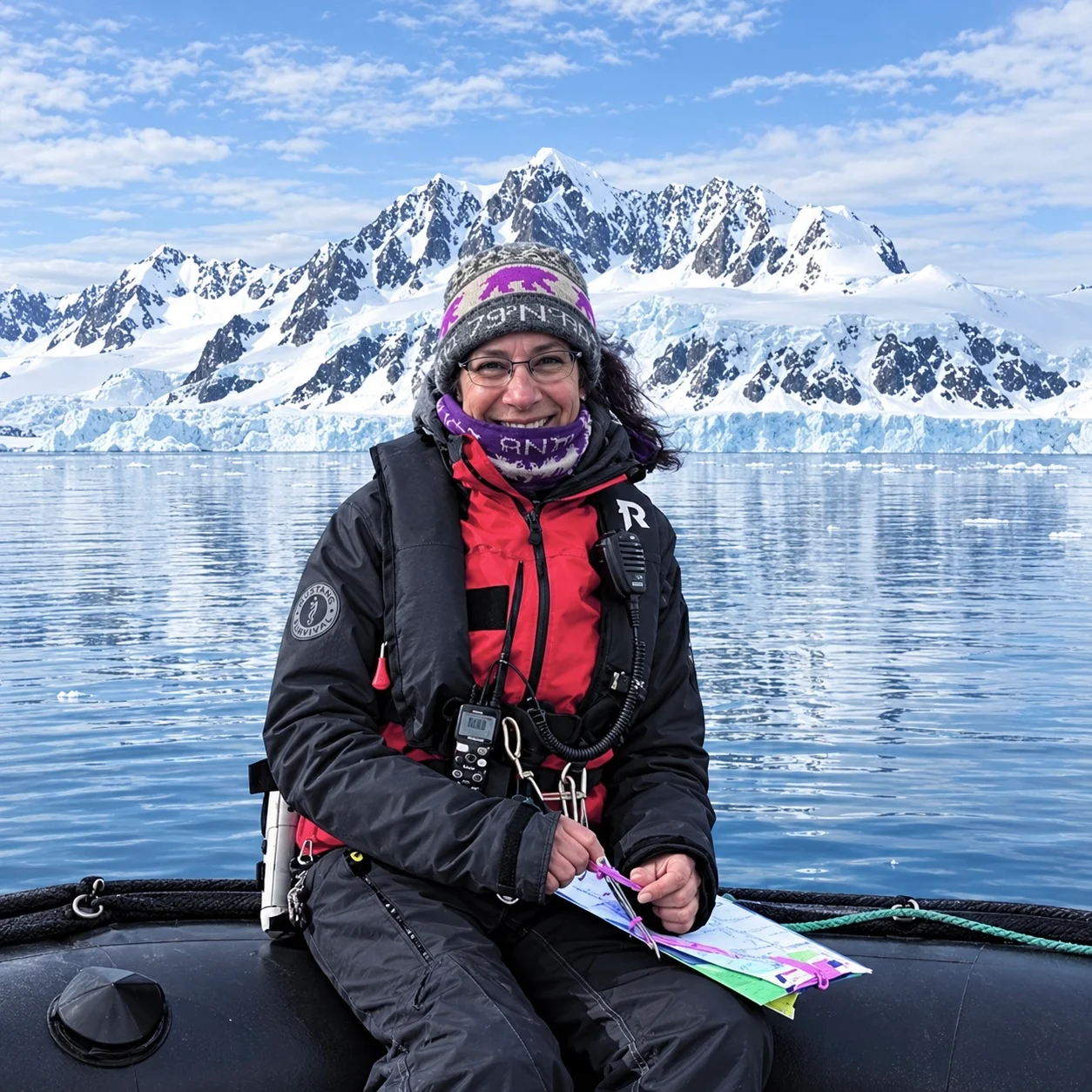
“As Chief Scientist for HX Expeditions, I have had the opportunity to work alongside scientists across different disciplines and get a deeper understanding of the processes governing our planet, and the impact we are having on it. Conveying this to our guests and raising awareness on the need to protect our home is a great motivation and extremely rewarding.”
What keeps me curious
As HX Expeditions’ Chief Scientist, it is Verena’s job to further develop and oversee the Science & Education program not only for our guests but for the wider scientific community. When Verena first joined HX Expeditions, the on-board education consisted of lectures on the local wildlife, history, and geography. However, she quickly learned that the guests were hungry for more, and it has been a big focus in her role as Chief Scientist to bring these immersive experiences on board. We now offer specific citizen science projects on board all our expedition cruises, working with third-party organizations like the NASA GLOBE Observer program or Happywhale to support their ongoing research. Another major role of the program is to offer the expedition ships as research platforms where scientists can perform their work while interacting with guests, as well as providing logistical support, for example by transporting research teams and their equipment to some of the world’s remote locations. Due to the success of the research projects, we have been fortunate to see many teams come back on board year after year, building strong relationships and collaborations. By bringing together these two groups, we can support vital research and give life-changing opportunities to all, a testament to the hard work of Verena and her team.
From working alongside organizations on the front line of climate and wildlife research to delivering and planning the on-board science activities, there are many aspects of Verena’s job that she enjoys. But seeing the wonder on our guests’ faces when they discover something they didn’t expect to see, such as phytoplankton under the microscope or spotting a pod of whales for the first time, is the best feeling in the world. This, coupled with their desire to learn more and ongoing commitment to protecting the oceans and environment is both empowering and all the inspiration she needs to build and grow the Science & Education program further.