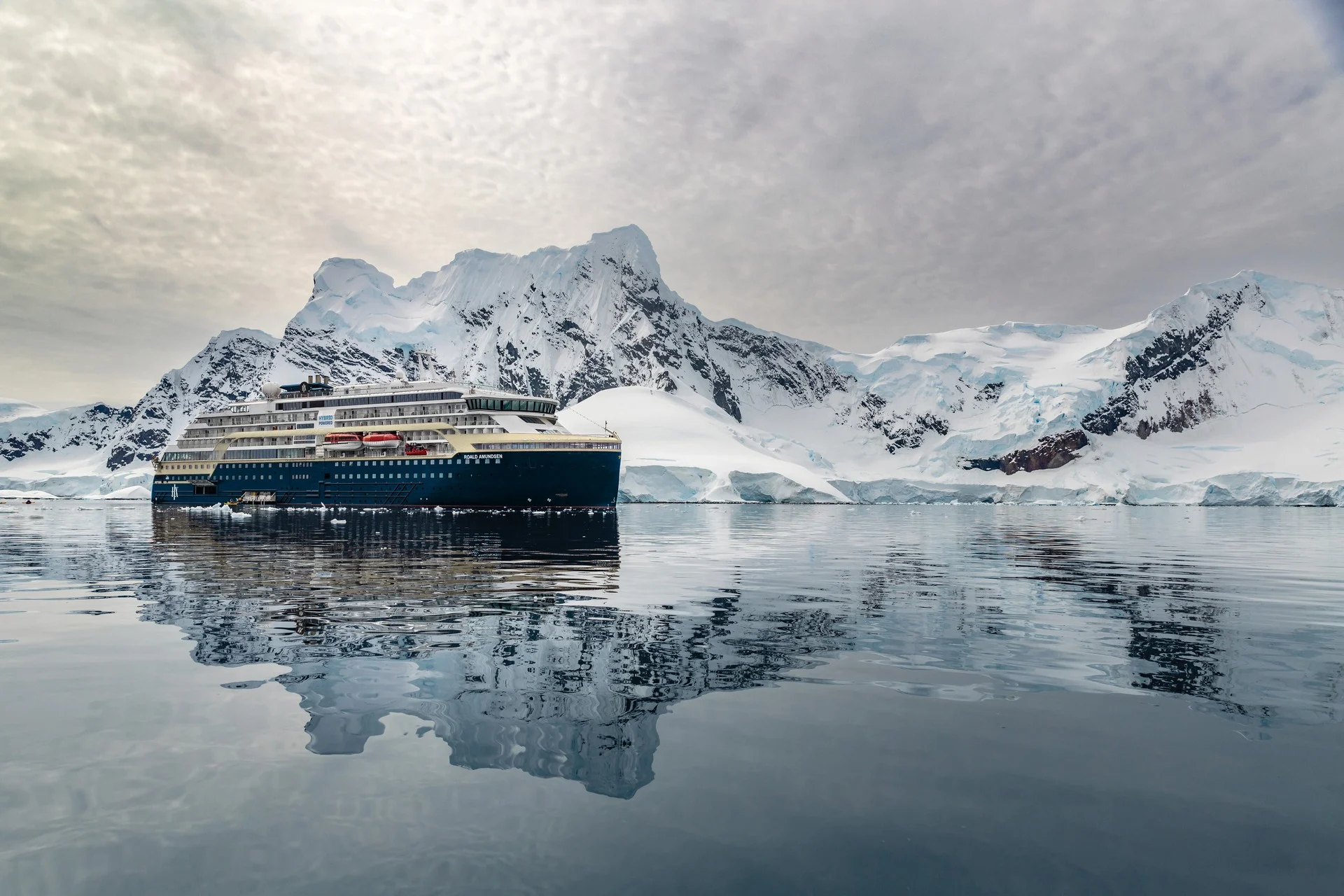
When Antarctica Awakens
From mid-October through November, when light returns after a long polar winter and the sea ice finally begins to melt, ships can once again reach the Seventh Continent. This is when Antarctica is at its most pristine.

Antarctic Seasons
In the austral spring/summer (roughly October to March), the Antarctic continent leans towards the sun, bringing 24-hour daylight and temperatures that allow ships to pass through sea ice. In the austral winter (roughly April to September), the sun disappears, temperatures plummet, and the pack ice nearly doubles in size, preventing even the strongest vessels from reaching the continent.
This means we have less than six months to explore.
Why Visit in the Early Season?
Spectacular landscapes
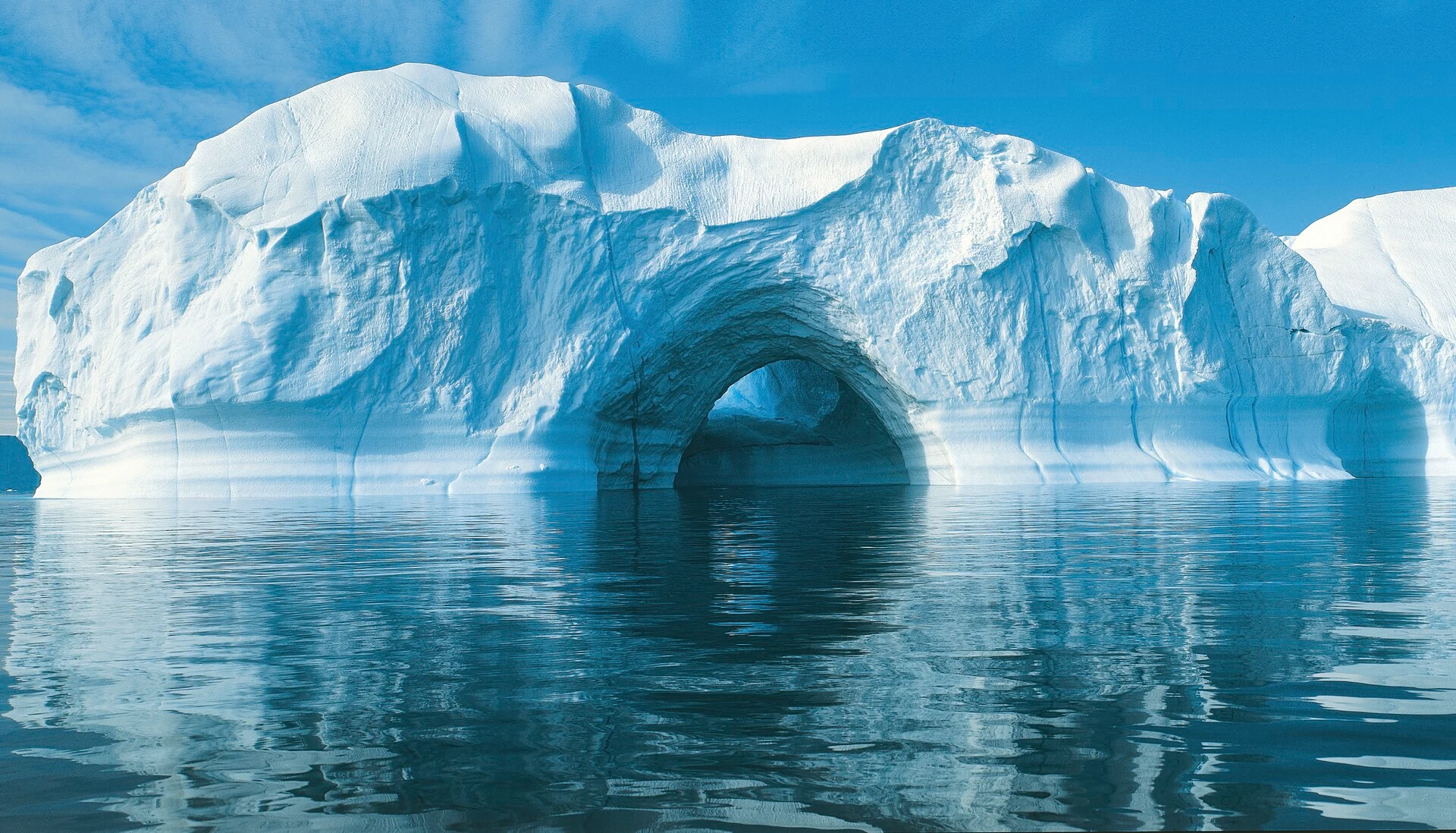
Temperatures remain cold enough to preserve vast stretches of sea ice, creating sweeping white horizons and towering, freshly carved icebergs that glisten under the spring sunlight. It’s a paradise for photographers: the air is exceptionally clear, the low spring sun casts long shadows and warm golden hues ideal for dramatic images.

Wildlife just beginning to stir
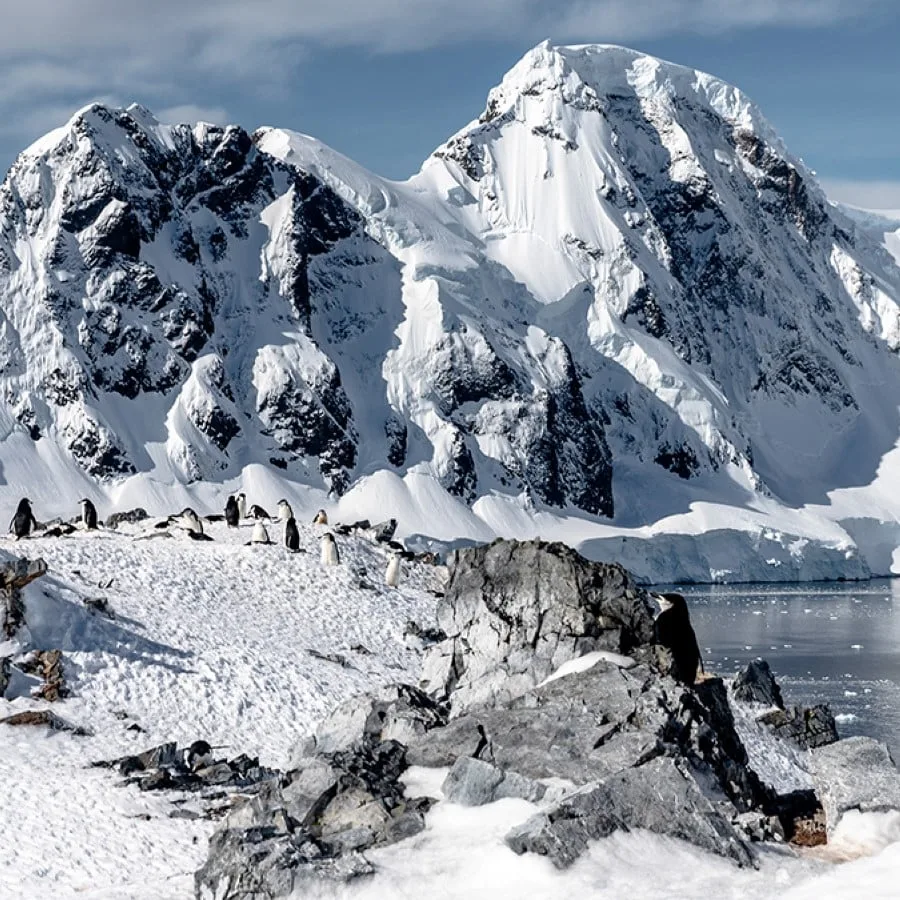
Early season is a time of renewal. You might spot rafts of penguins returning from winter at sea to build nests. As spring progresses, penguin courtship begins: stone-stealing for nest-building, parents guarding their precious eggs, and chicks slowly hatching into December.
By mid-November, seal pups can sometimes be seen resting on the pack ice. While whale sightings peak later in February and March, migrating whales are often spotted even in the early season, including humpbacks, minke whales, and even orcas.
Camping and snowshoeing
With snow still firm underfoot and the wind gentler than later in the season, Antarctica in spring offers the perfect conditions for camping on the continent or snowshoeing across fresh powder. These experiences are offered on our expeditions when the weather conditions permit.


The weather
In early season, temperatures typically range from about -5°C to 2°C (23°F to 36°F) – colder on the continent itself, milder at sea. With the right layers, you may be surprised at how comfortable it feels, especially with the low wind and bright spring sunlight.
As for the Drake Passage in early season, it remains as unpredictable as ever. Some crossings are calm, while others remind you just how wild the Southern Ocean can be. Either way, our skilled Captains and Expedition Teams have crossed it countless times, always putting safety first.
Which Month Is Best for an Antarctica Cruise?
There’s no single ‘best’ month. It depends on the experience you want.
October – November: Pristine landscapes, dramatic ice, penguin courtship, early whale sightings, camping opportunities.
December – January: Warmer temperatures, active penguin colonies, chicks hatching.
February – March: Peak whale watching, incredible sunsets, rich marine activity.
But if you’re drawn to the feeling of stepping into a world just awakening from darkness, early season is unmatched.
Find out more about Antarctica and the best time to travel, below.