HX & California Ocean Alliance: Understanding the health of Antarctic whales
Discover how HX and the California Ocean Alliance are working together to understand the health and ecology of whales in Antarctica's remote waters.
How do you check the health of a whale?
Since 2019, HX has collaborated with the California Ocean Alliance (COA) and researchers led by Dr Ari Friedlaender from the University of California, Santa Cruz, to answer that question.
By providing access to remote feeding grounds along the Antarctic Peninsula, HX expedition ships serve as platforms for scientific research, helping scientists investigate how whales are responding to environmental change - and what that tells us about the health of the ocean they depend on.
The collaboration brings researchers directly into the expedition experience, allowing guests to discover the science behind protecting these remarkable animals - and sometimes watch it happen. Research into Antarctic whale health, population dynamics, and underwater soundscapes is supported throughout, with scientists on board to share their discoveries and engage guests in the science behind whale conservation.


"Partnering with HX has been the single most impactful opportunity to conserve and protect Antarctic whales and their ecosystem. By providing us the platform and opportunity to both conduct and communicate our science, we have been able to achieve incredibly high levels of success while at the same time training the next generation of ocean conservation stewards.
Given our shared philosophies and conservation priorities, we view our work with HX as a truly mutually beneficial partnership that we look forward to continuing for years to come."
- Dr Ari Friedlaender

Looking beneath the surface: Understanding whale health
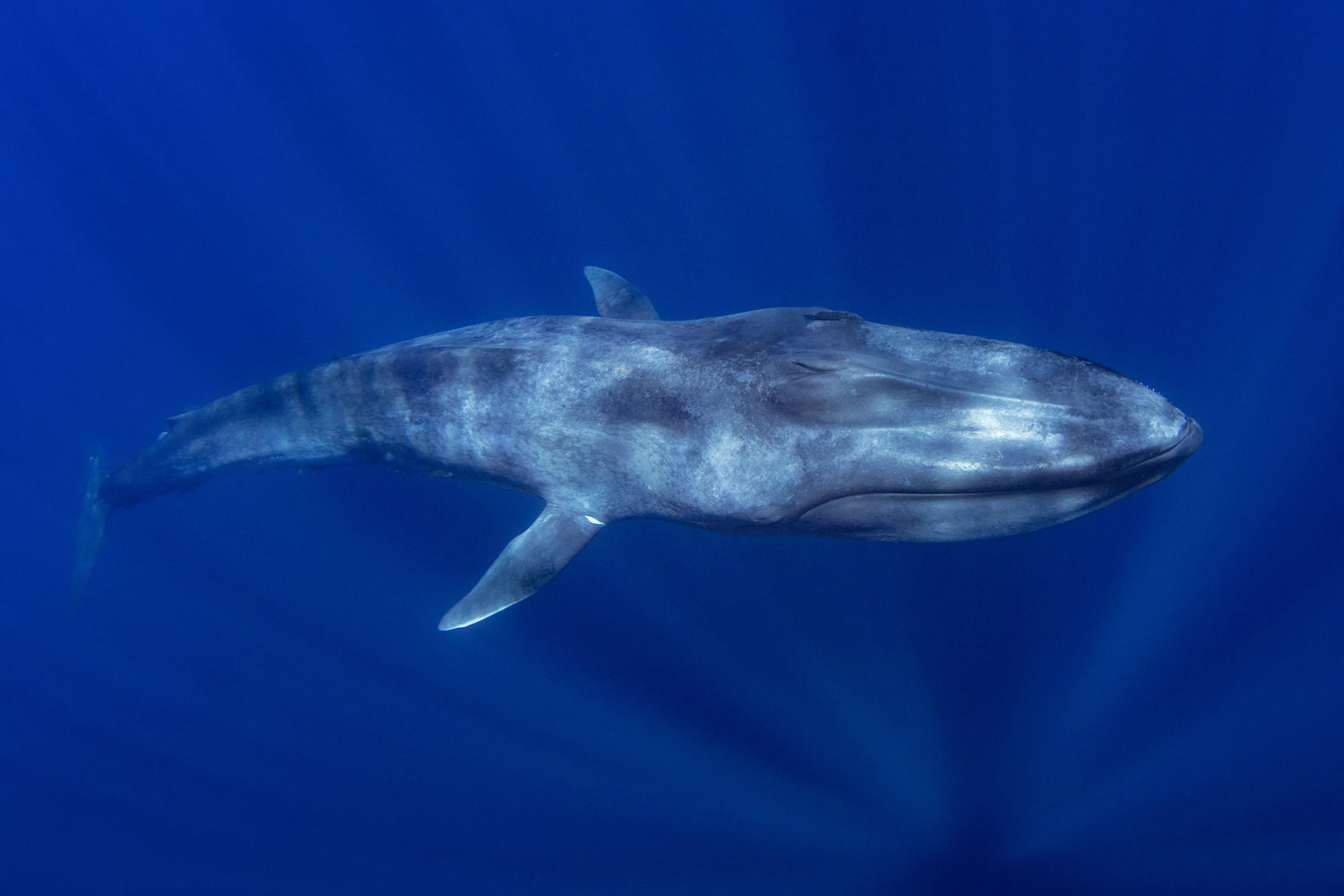
Whales are indicators of the health of marine ecosystems. But studying their physical condition, reproductive status, and responses to environmental change is challenging - particularly in remote Antarctic waters where several species are still recovering from the impacts of commercial whaling.
Through the collaboration with HX, COA researchers combine innovative techniques to build a more complete picture of individual whales and the populations they belong to.
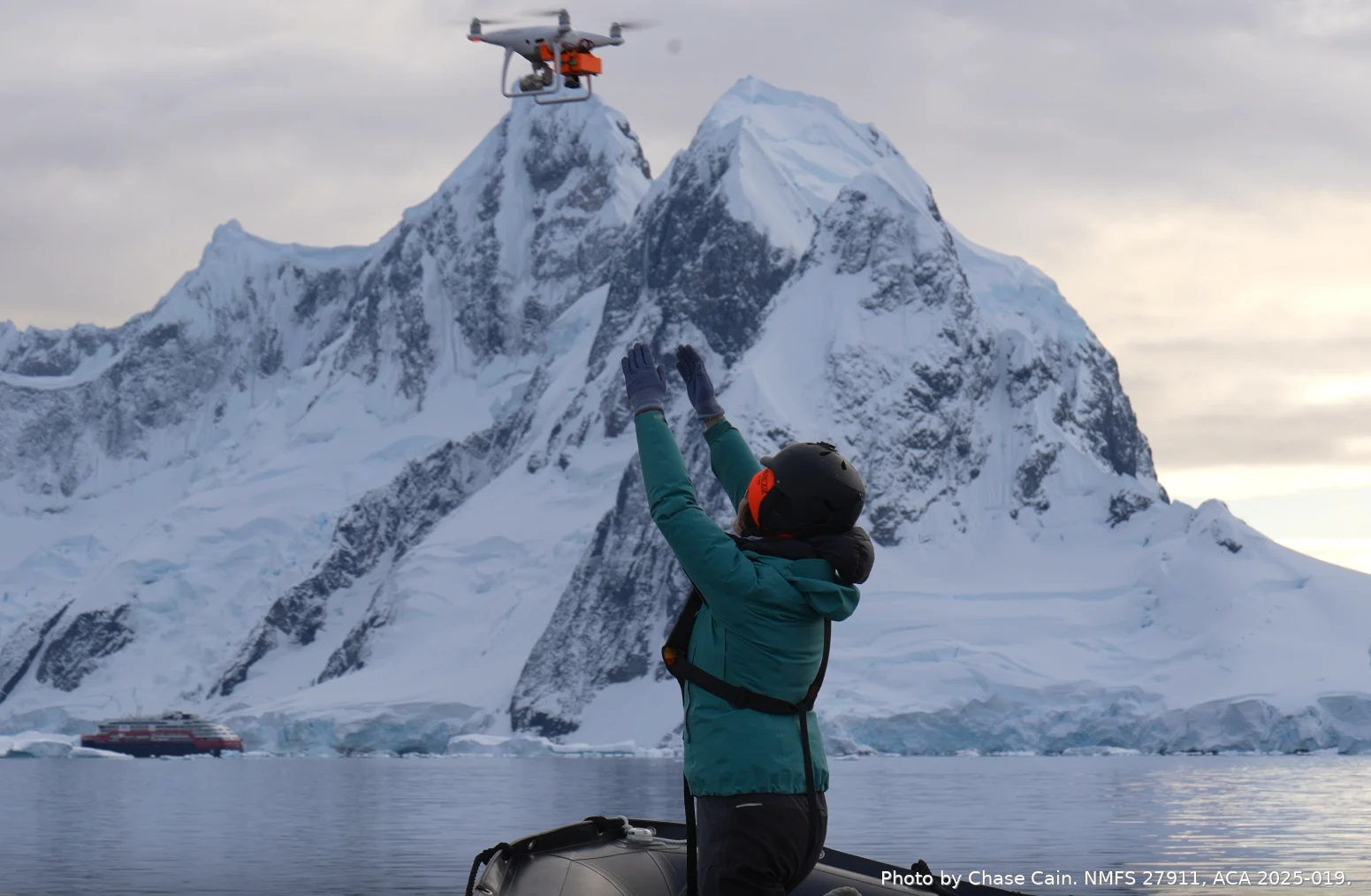
Using drones, scientists collect high-resolution images from above, allowing them to measure whales and assess their body condition without physical contact. These measurements provided insights into energy reserves and nutritional health - essentially, whether a whale is getting enough to eat.
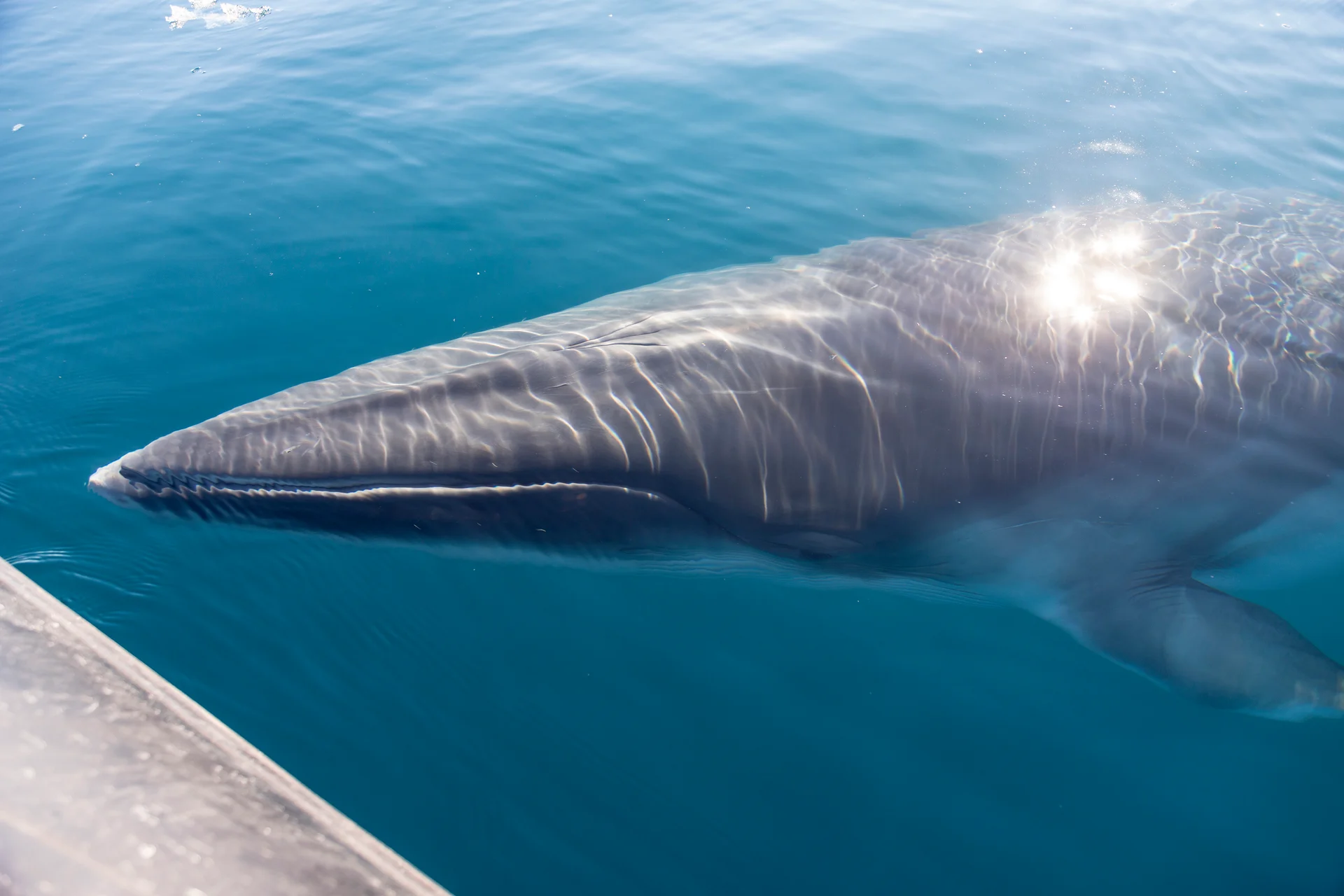
Researchers also collect small skin and blubber samples through remote biopsy techniques. Laboratory analyses can reveal an animal's sex, pregnancy status, stress hormones, and exposure to pollutants, helping scientists understand how individuals and populations are responding to environmental change - and what that means for their future.
"People are more likely to want to protect things that they care about. I feel more of a responsibility to communicate and promote what we're doing and learn about these animals broadly, because that's what makes people care, and that's what's going to help change people's behavior and allow these animals and ecosystems to survive."
– Dr Ari Friedlaender
Bringing cutting-edge whale research into the expedition experience
This is what makes the collaboration different from most research partnerships: the science doesn't stay locked away in a lab.
Working alongside HX Expedition Teams, COA researchers carry out their fieldwork during scheduled voyages, using the ship as a base for drone surveys and scientific sampling in areas that would be difficult and costly to reach through dedicated research expeditions. For guests, this created an opportunity to see science in action.
Through lectures, demonstrations, and informal conversations, researchers explain how their equipment works, what they're investigating, and why it matters for whale conservation. You may even have the chance to watch research activities and discover how samples and data collected during your voyage contribute to a bigger picture of whale health in Antarctica.

Long-standing partnership
Since 2019, HX has maintained collaboration with the California Ocean Alliance (COA), supporting research into Antarctic whale health, population dynamics, and underwater soundscapes, while bringing scientists on board to share their discoveries and engage guests in the science behind whale conservation.
Recent scientific publications
Recent scientific publications
Variation in blubber cortisol levels in a recovering humpback whale population inhabiting a rapidly changing environment Read the paper, here.
The fishery for Antarctic krill – Conflicts between industrial production, protection of biodiversity, and legal governance
A surplus no more? Variation in krill availability impacts reproductive rates of Antarctic baleen whales
Baleen whale prey consumption based on high-resolution foraging measurements