Alaska Cruise Packing List for Expedition Travel: What to Bring
Packing for an Alaska cruise is different from most destinations. Weather can shift quickly, from clear and mild to cold and wet within hours, and much of your time is spent outdoors — on deck, in coastal towns, or as part of daily Expedition Experiences.
1 mins read
Last updated June 29, 2026
This guide focuses on what you’ll actually need for expedition-style travel in Alaska. Pack well, and you’ll stay comfortable and ready to make the most of every moment.
What’s in this article?
Key packing essentials at a glance
How to pack using a layering system
What to bring for different Expedition Experiences
Clothing, footwear, and essential gear explained
A complete packing checklist
Alaska Cruise Packing List: The Key Takeaways
Layering is essential: base, mid, and outer layers work better than heavy clothing
Weather changes quickly, so pack for cold, wind, and rain
Waterproof outerwear and footwear are key
Choose versatile items you can rewear
Bring practical accessories like gloves, binoculars, and a dry bag
Pack only what you need to keep luggage manageable

How to Pack for an Alaska Expedition
The Three-Layer Packing System
The simplest way to pack for Alaska is to build around three layers: base, mid, and outer.
Base layer: Moisture-wicking fabrics such as merino or technical materials
Mid layer: Insulation, such as fleece or a lightweight jacket
Outer layer: A waterproof, windproof shell
This system allows you to adapt quickly to changing conditions, whether you’re on deck, ashore, or moving between environments.
Standard Cruise vs Expedition Packing
Packing depends on how you plan to experience Alaska.
On a standard cruise, time is largely spent on board or in established ports, so casual layers and comfortable shoes are usually enough.
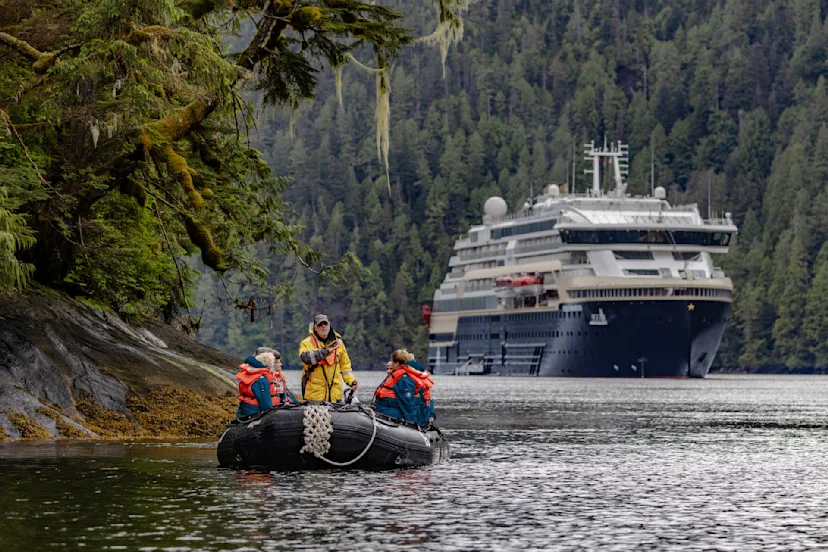
On an expedition cruise, you’ll be more exposed to the environment. Daily Expedition Experiences, including small-boat landings and time on the water, require waterproof footwear, technical layers, and practical accessories like dry bags and gloves. This closer access to the landscape defines expedition travel in Alaska.


What You’ll Be Doing (and What to Pack for It)

Expedition Experiences and Changing Conditions
On an HX voyage, your days are shaped by a mix of included and optional Expedition Experiences.
Included experiences often involve Zodiac boat cruising, exploring fjords, glacier fronts, and coastal inlets at water level. In some locations, this may include wet landings, where you step directly ashore. Optional activities can include kayaking in sheltered bays or guided hikes through forest and coastal terrain.
Conditions vary depending on the activity. Time on the water can feel colder due to wind and spray, while hikes may involve uneven or damp ground. Temperatures can also drop near glaciers, even in summer.
May and September: Cooler, wetter, more variable conditions
June to August: Milder, but still with rain and wind
Layering remains essential to stay comfortable across different experiences.
Glacier Viewing Days
Expect cold wind and prolonged time outdoors. A practical combination includes:
Moisture-wicking base layer
Warm mid-layer (fleece or insulated jacket)
Waterproof outer shell
Gloves, hat, and sturdy footwear

Rainy Port Days
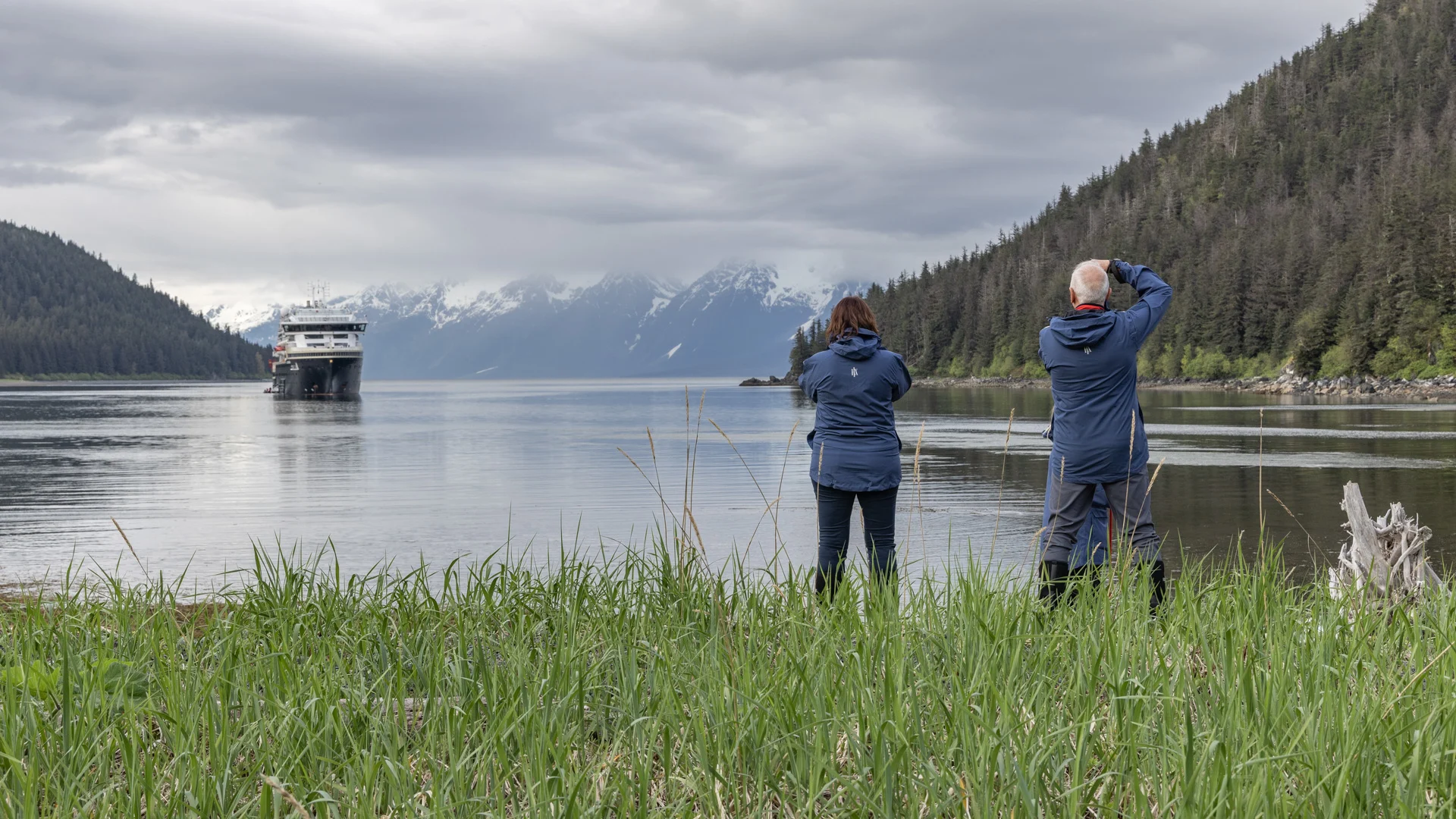
Rain is common in coastal Alaska, so waterproof protection is key:
Base and mid layers
Waterproof jacket with a hood
Lightweight rain trousers
Waterproof shoes or boots
Onboard Time
Onboard attire is generally relaxed:
Casual trousers or jeans
T-shirts, long sleeves, knitwear
Trainers or casual shoes
On HX expeditions, the atmosphere is informal, with the focus on time outdoors rather than structured onboard routines.

Clothing, Footwear, and Essential Gear
Outerwear and Protection
Clothing should be practical, versatile, and built around real conditions rather than fixed outfits.
Water-resistant items handle light rain briefly, while waterproof gear is designed for sustained exposure. In Alaska, rain, sea spray, and damp conditions are common, making waterproof jackets and footwear the more reliable choice, particularly during small-boat excursions.
Footwear
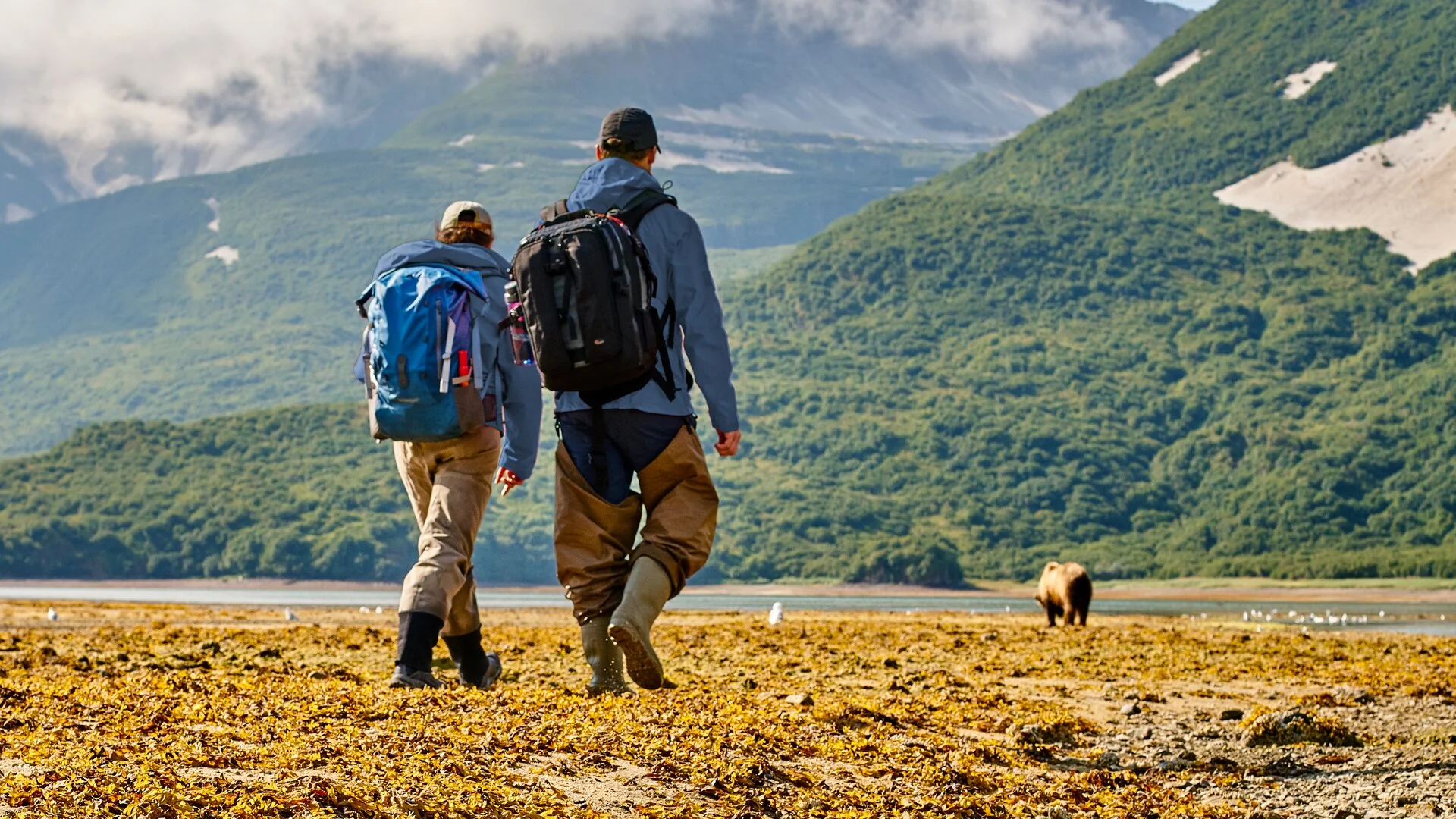
Waterproof hiking shoes or boots for excursions
Comfortable walking shoes for towns and onboard
Casual shoes for relaxing
A dependable waterproof option is essential for moving confidently between ship and shore.
Practical Accessories
Hat and gloves for wind and cold
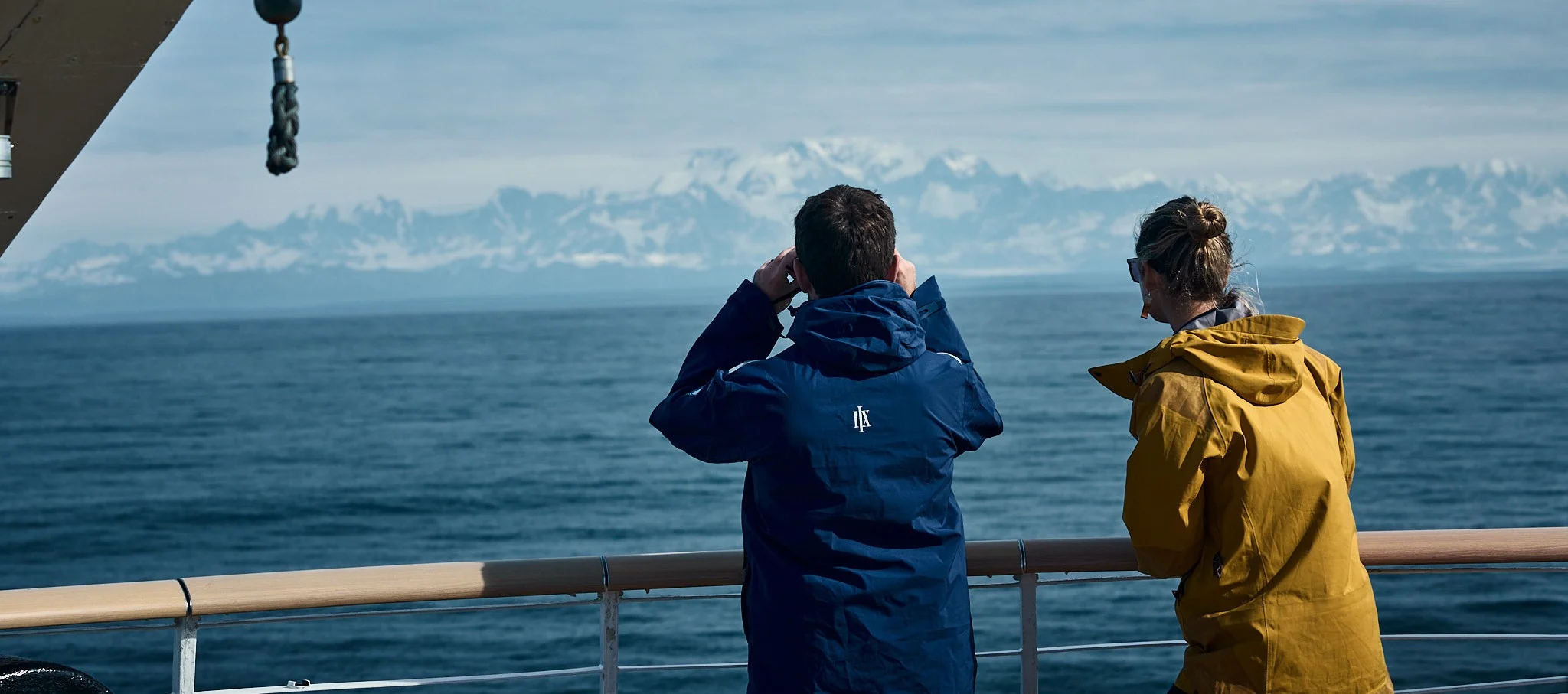
Binoculars for wildlife viewing
Waterproof pouch or dry bag
Reusable water bottle
Sunglasses and sun cream for glare
When travelling with HX, selected equipment is provided, including an expedition jacket and loaned boots, allowing you to pack more efficiently.


Electronics and Camera Gear
Wildlife and landscapes often appear without warning, so it helps to be prepared.
Camera or smartphone with zoom
Spare batteries and memory cards
Portable charger
Waterproof protection
Cold conditions can drain batteries more quickly, so backups are useful.
Alaska Packing Checklist
Download Alaska Packing Checklist PDF
Clothing
Base layers (tops and bottoms)
Mid-layers (fleece or insulated jacket)
Waterproof outer jacket
Quick-drying trousers
Rain trousers
Casual onboard clothing
Evening outfit
Sleepwear and undergarments
Footwear
Waterproof walking shoes or boots
Comfortable backup shoes
Casual onboard shoes
Accessories
Hat, gloves, scarf
Sunglasses and sunscreen
Binoculars
Dry bag or waterproof pouch
Reusable water bottle
Day backpack
Electronics
Camera or smartphone
Spare batteries and memory cards
Portable charger
Charging cables
Waterproof case
Toiletries & Essentials
Travel documents
Medication
Skincare and hygiene items
Lip balm and moisturiser
Insect repellent (seasonal)
What NOT to Pack
Packing well for Alaska is as much about what you leave behind as what you bring.
Heavy winter coats are rarely necessary; layering is far more effective. Non-waterproof clothing and footwear are also impractical in Alaska’s conditions.
Focus on versatile, functional items you can rewear. Packing simply allows you to move comfortably and spend more time outside without distraction.

Prepare for Your Alaska Expedition
Packing well is the first step towards a more comfortable and rewarding journey in Alaska. Once you’re prepared for changing conditions, you can focus fully on the experience — watching wildlife from the deck, stepping ashore in remote locations, or heading out on small-boat excursions.
To continue planning your trip, explore our Alaska expedition cruises to see how different routes shape the experience, from the Inside Passage to more remote regions.
You may also find it useful to read more about wildlife in Alaska, seabirds of the North Pacific, and our Alaska travel guide for practical advice and seasonal insights.
With the right preparation, you’ll spend less time thinking about what you packed and more time experiencing Alaska as it unfolds.