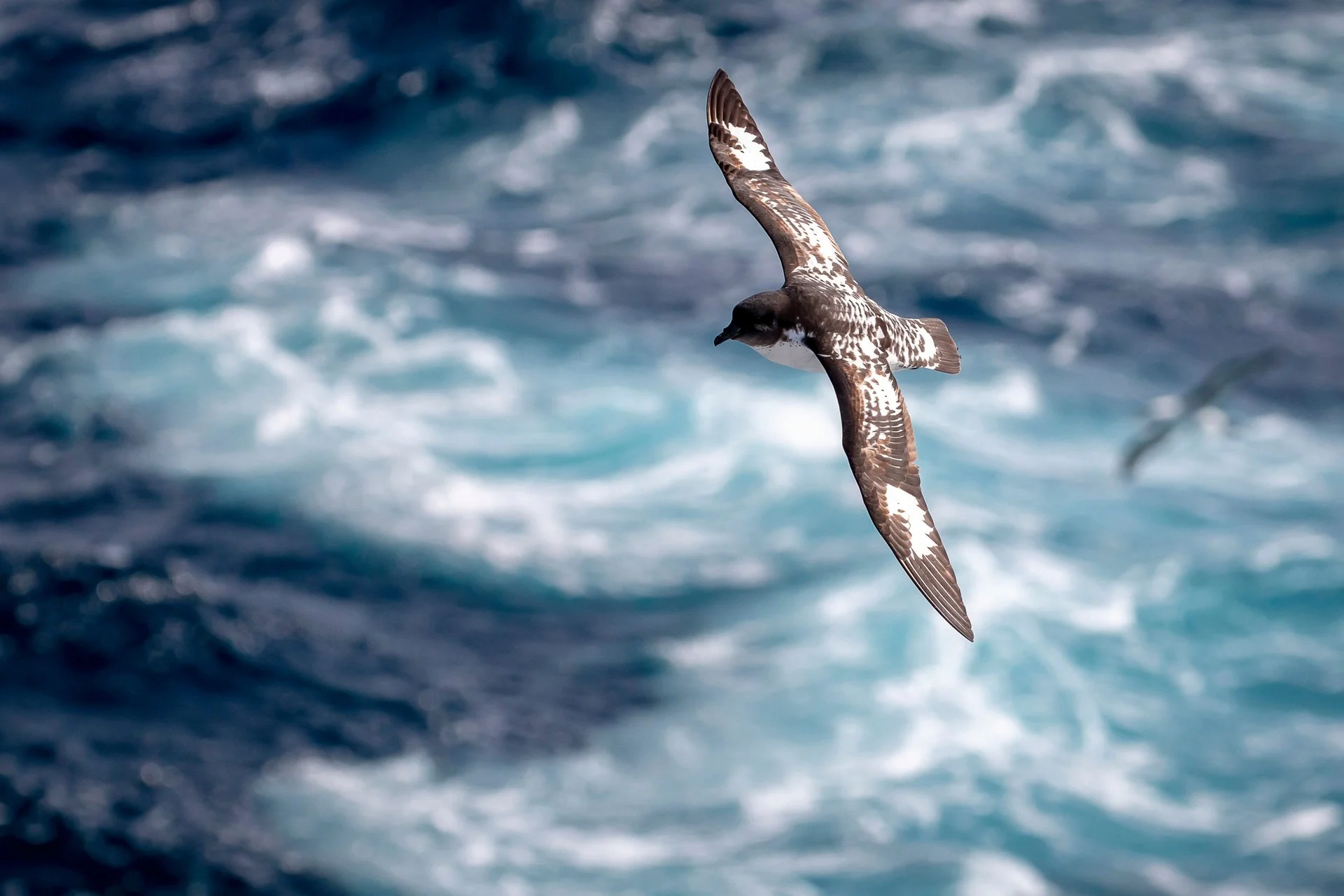
HX & Federation University Australia: Protecting Antarctic wildlife through disease surveillance
Working with Federation University Australia to strengthen Antarctic wildlife health through disease surveillance, biosecurity research, and conservation science.
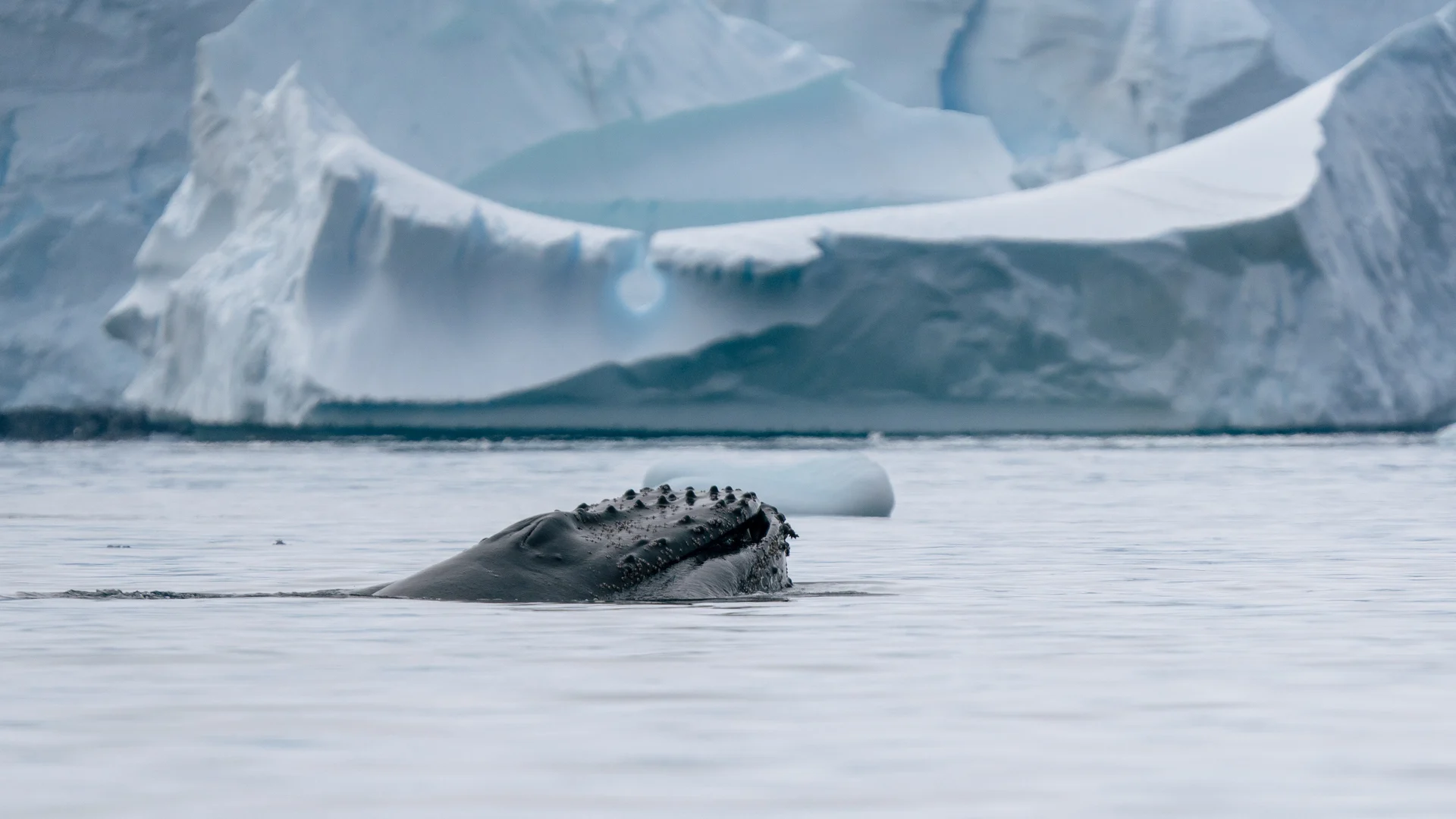
Through its collaboration with Federation University Australia, HX supports important research investigating infectious diseases and emerging health threats affecting Antarctic wildlife. Led by Dr Meagan Dewar and Dr Ashley Olson, alongside an international team of scientific collaborators, the research focuses on Highly Pathogenic Avian Influenza (HPAI) and other pathogens that may threaten the health and resilience of polar ecosystems.
By providing researchers with access to remote wildlife populations, HX helps expand disease surveillance across the Antarctic Peninsula and South Georgia, while connecting expedition guests with the science behind wildlife conservation and Antarctic biosecurity.
Understanding emerging disease threats in Antarctica
Antarctica is home to some of the world's most remarkable wildlife populations, including vast colonies of penguins, seabirds and seals. Although its geographical isolation has historically limited exposure to certain infectious diseases, the arrival of Highly Pathogenic Avian Influenza has highlighted the vulnerability of these ecosystems to emerging pathogens.
HPAI, particularly viruses belonging to the H5 lineage, has caused significant mortality among wild birds and marine mammals in different parts of the world. Its spread into the Southern Ocean raises important questions about how diseases reach Antarctic wildlife populations, which species are most vulnerable and how outbreaks may affect already sensitive ecosystems.
Researchers from Federation University Australia, working with national and international collaborators, are investigating these questions through the POLARMIC and ANTPATH research initiatives.
Their work combines field sampling, laboratory diagnostics, genomic surveillance and ecological research to better understand the presence, diversity and transmission of pathogens in Antarctic wildlife.
Beyond avian influenza, the research also examines other infectious agents and microbial communities, helping scientists establish a broader picture of wildlife health and how disease dynamics may change over time.
By building long-term datasets across species and locations, the project aims to improve understanding of emerging health threats and provide scientific evidence to support Antarctic wildlife conservation and biosecurity.

HX & Federation University: Supporting wildlife health monitoring in Antarctica
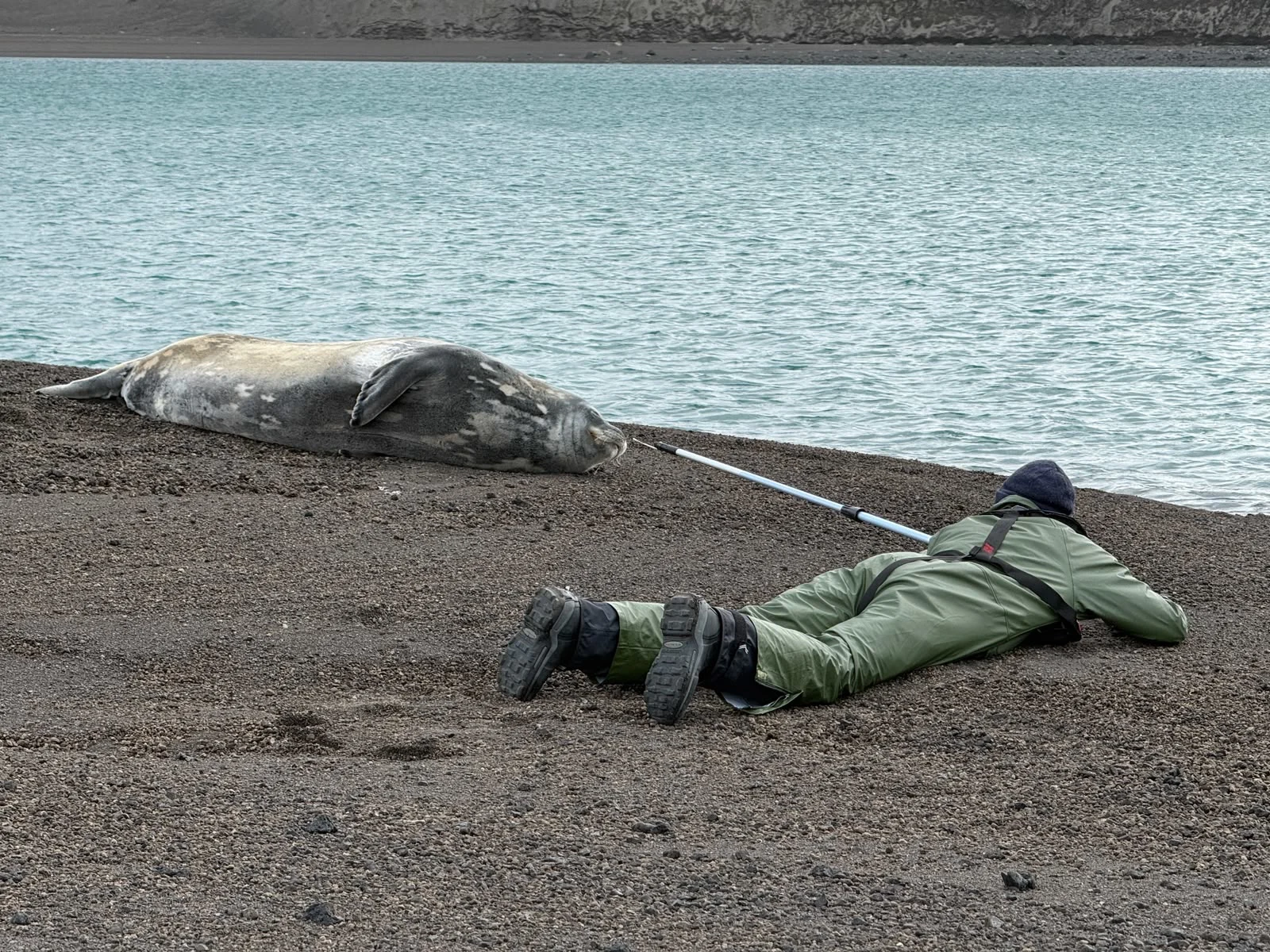
Supporting Wildlife Health Research in Antarctica
Through its Science & Education Programme, HX provides researchers with access to remote Antarctic locations, logistical support and opportunities to conduct field sampling during regular expedition voyages.
During the 2025/26 Antarctic season, research teams joined six HX voyages between November 2025 and April 2026, conducting wildlife health surveillance across the Antarctic Peninsula and South Georgia.
Working alongside HX Expedition Teams and Science & Education Coordinators, the researchers collected 1,463 samples from Antarctic wildlife and their environment, including penguins, seabirds and seals.
Monitoring Avian Influenza and Other Wildlife Diseases
Sampling methods included carefully collected oral, cloacal and faecal samples from birds, nasal swabs from seals, environmental samples and tissue samples from deceased animals, subject to the relevant permits and animal welfare protocols.
These samples allow scientists to investigate the presence of influenza viruses and other pathogens, helping establish where infections are occurring and which species may be affected.
Initial laboratory investigations confirmed HPAI infections in Antarctic seabirds, including a snowy sheathbill near Brown Station and skuas in the Antarctic Peninsula region. These findings reinforce the importance of continued surveillance, particularly as disease occurrence may vary between species, locations and seasons.

Science at Sea: Learning Through Expedition Travel
The collaboration also demonstrates the value of expedition vessels as platforms for scientific monitoring. By integrating sampling into regular voyage operations, researchers can reach multiple locations and revisit sites over time, expanding the geographical and seasonal coverage of wildlife health observations.
For guests, the presence of specialist researchers offers a valuable opportunity to learn about an important conservation challenge.
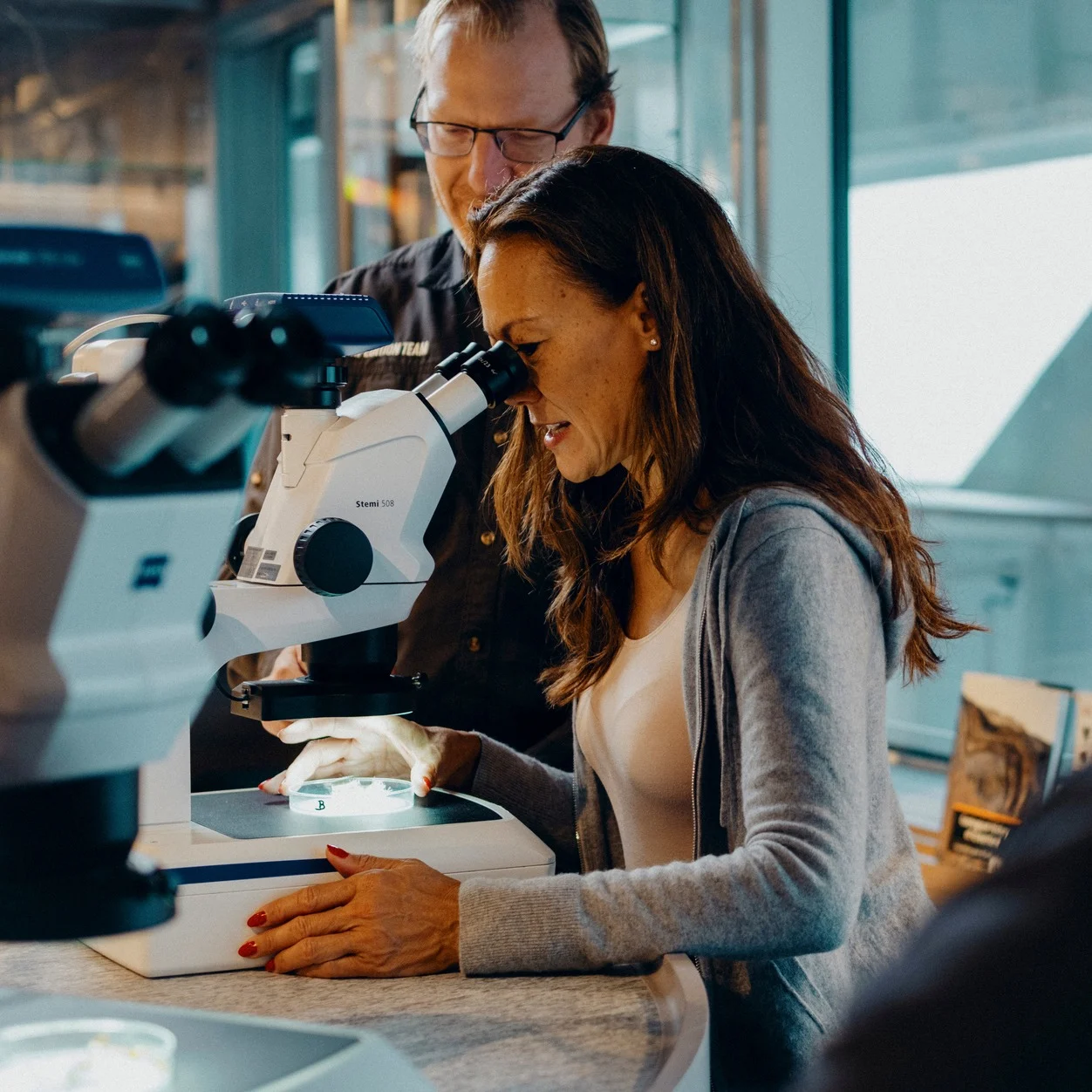
Through onboard lectures, discussions and supervised Science Centre demonstrations, researchers explain how infectious diseases spread, how samples are analysed and why biosecurity measures are essential when visiting Antarctic wildlife colonies.
Guests can gain insight into the scientific process without participating in the handling or collection of biological samples, ensuring that research activities remain consistent with strict wildlife protection and biosecurity protocols.
From disease detection to Antarctic conservation and biosecurity
Understanding the presence and spread of infectious diseases is increasingly important for protecting Antarctic biodiversity. The detection of HPAI in Antarctic wildlife highlights the need for continued monitoring, particularly as migratory species can connect otherwise geographically isolated ecosystems. Through repeated sampling, laboratory analysis and collaboration with international research networks, the Federation University team is helping build the evidence needed to understand disease distribution, identify potential changes over time and assess risks to vulnerable wildlife populations.
The project also contributes to a broader understanding of Antarctic microbial ecology, recognising that wildlife health is influenced by interactions between pathogens, host species and environmental conditions. These findings can inform wildlife health surveillance, scientific assessments and the development of appropriate biosecurity measures for researchers and visitors operating in Antarctic environments.
Importantly, the collaboration demonstrates how expedition tourism can contribute to the detection and monitoring of emerging environmental threats while maintaining strict standards of responsible wildlife interaction.
By supporting Federation University's wildlife health research, HX is helping scientists better understand emerging disease threats in Antarctica, strengthening the knowledge available for conservation and inspiring guests to recognise the importance of protecting the health of polar ecosystems.