Sara-Marie, die Schneiderin
Teil unserer Kalaallit Reihe: Porträts aus Grönland erzählt die Geschichte von einer Schneiderin aus Nuuk, deren Handwerk kulturelle Identität von einer Generation zur nächsten weiterträgt.
Lesedauer 1 min
Last updated 12. April 2026

Das Vermächtnis der Traditionen
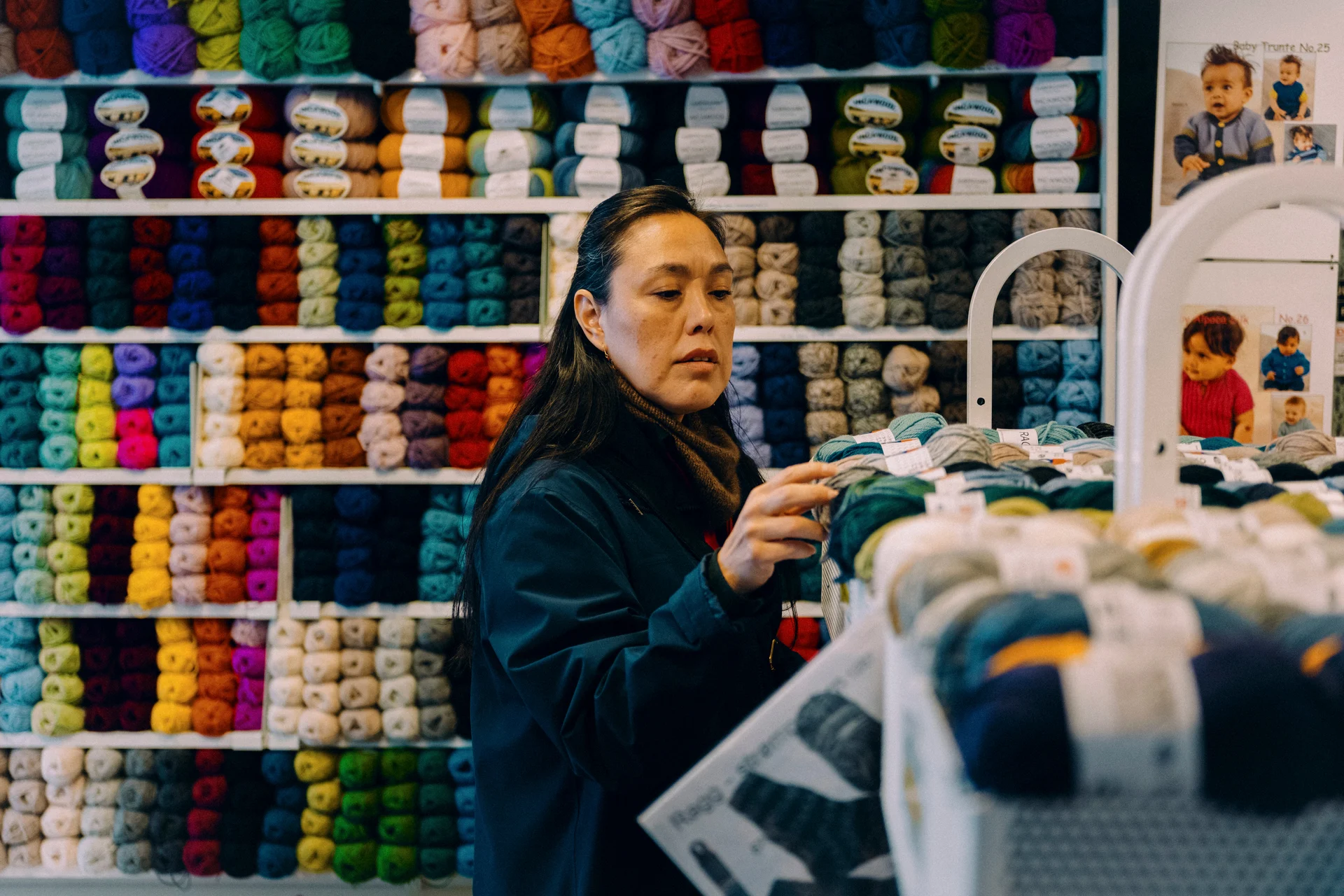
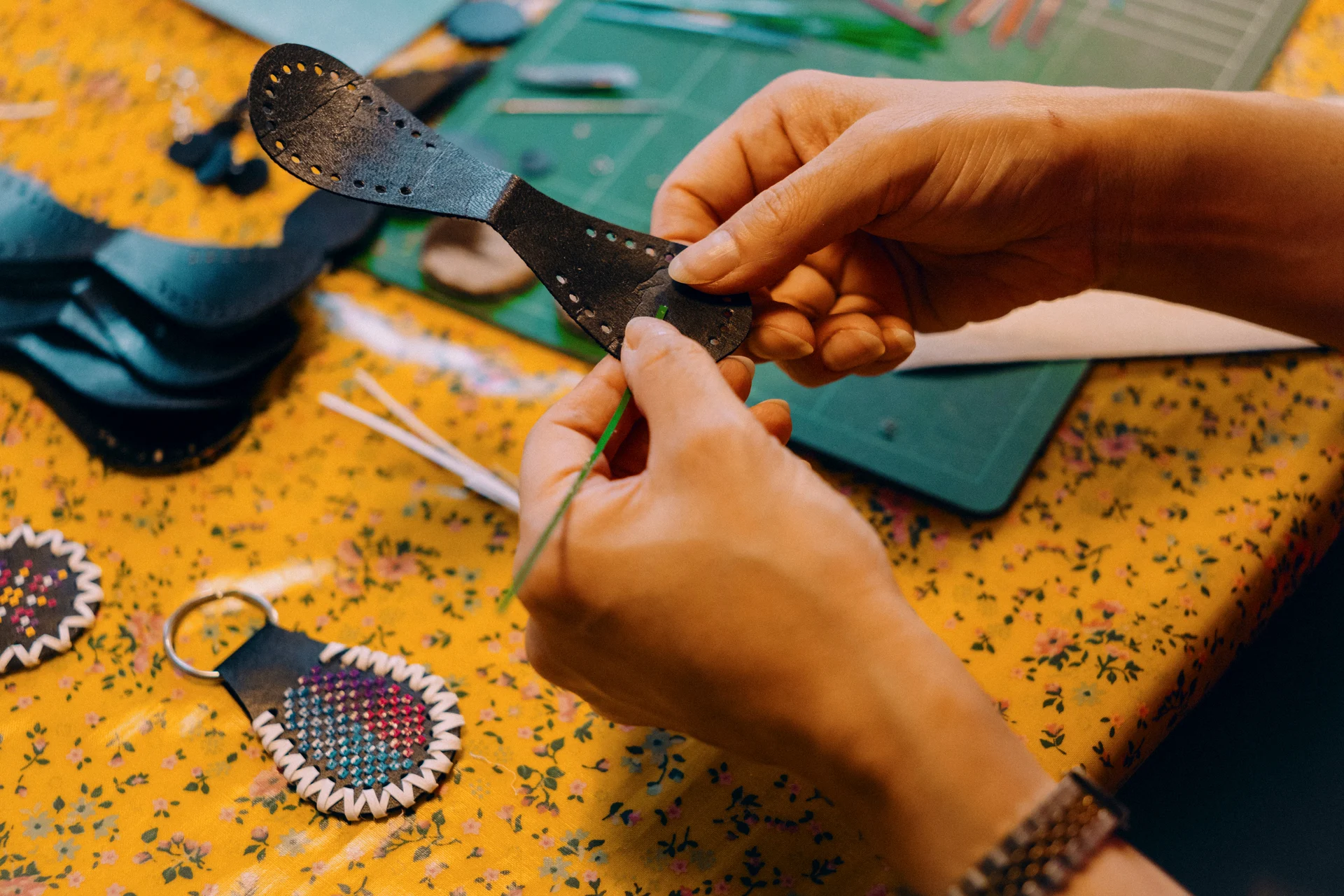
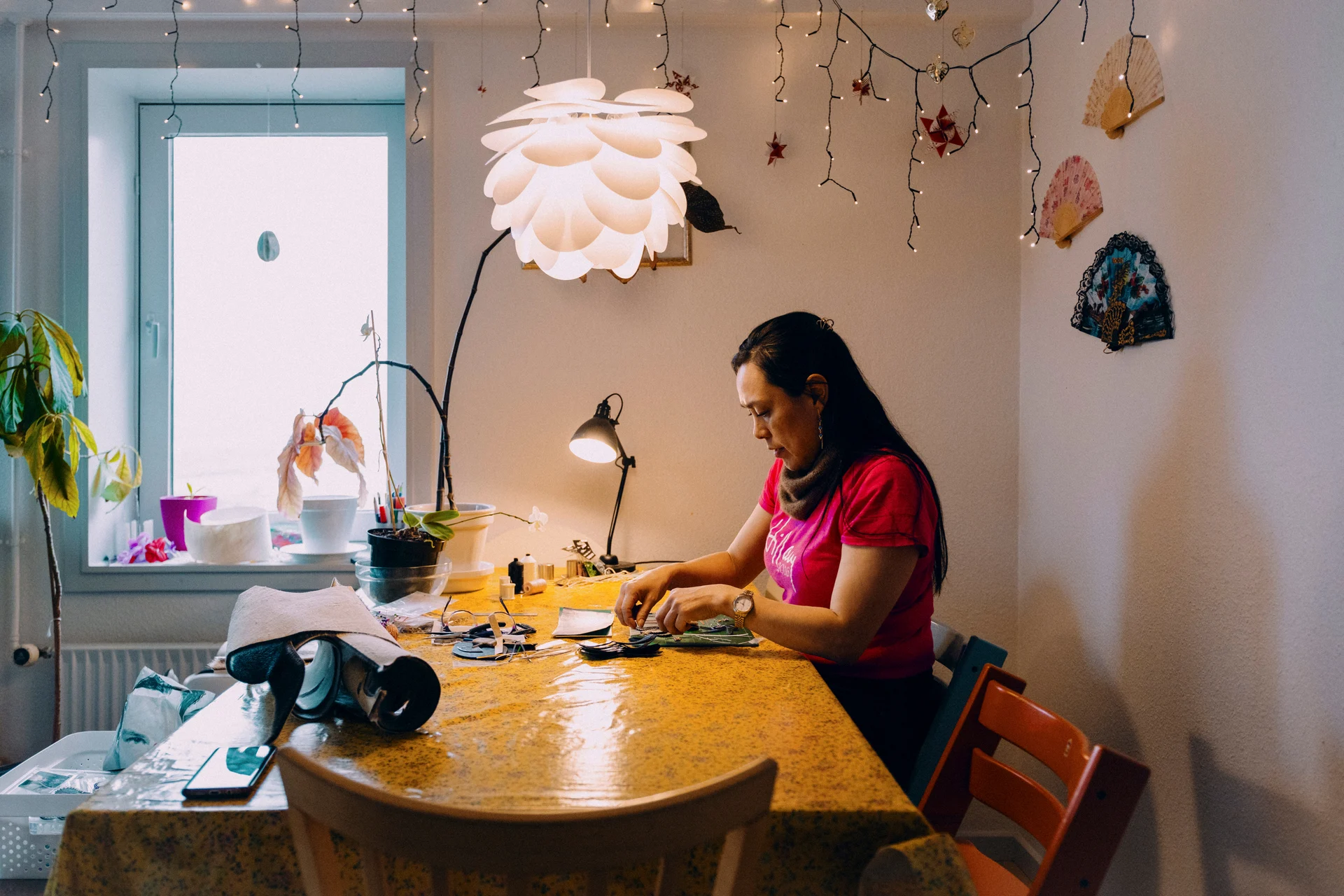
„Sie wurden an mich weitergegeben und ich werde sie ebenfalls weitergeben.“ Sara-Marie sitzt in einer kleinen Werkstatt in Nuuk an einem Tisch, der mit Materialien, Perlen und Garnspulen übersät ist. Ihre Hände bewegen sich wie ein Uhrwerk und schieben die Nadel immer wieder mit ruhiger, sorgfältiger Präzision durch den Stoff. Die Bewegung hat sie vor vielen Jahren erlernt, indem sie ihre Großmutter beobachtete: “Ich erinnere mich sehr gern an ihre Ruhe und Kreativität“, erzählt Sara-Marie. Nähen ist „eine Tätigkeit, die von Herzen kommt...“, geprägt durch die langen Jahre, die sie damit verbrachte, ihre Großmutter zu beobachten. „
Sara-Marie, die Schneiderin
Kleidung über Generationen hinweg
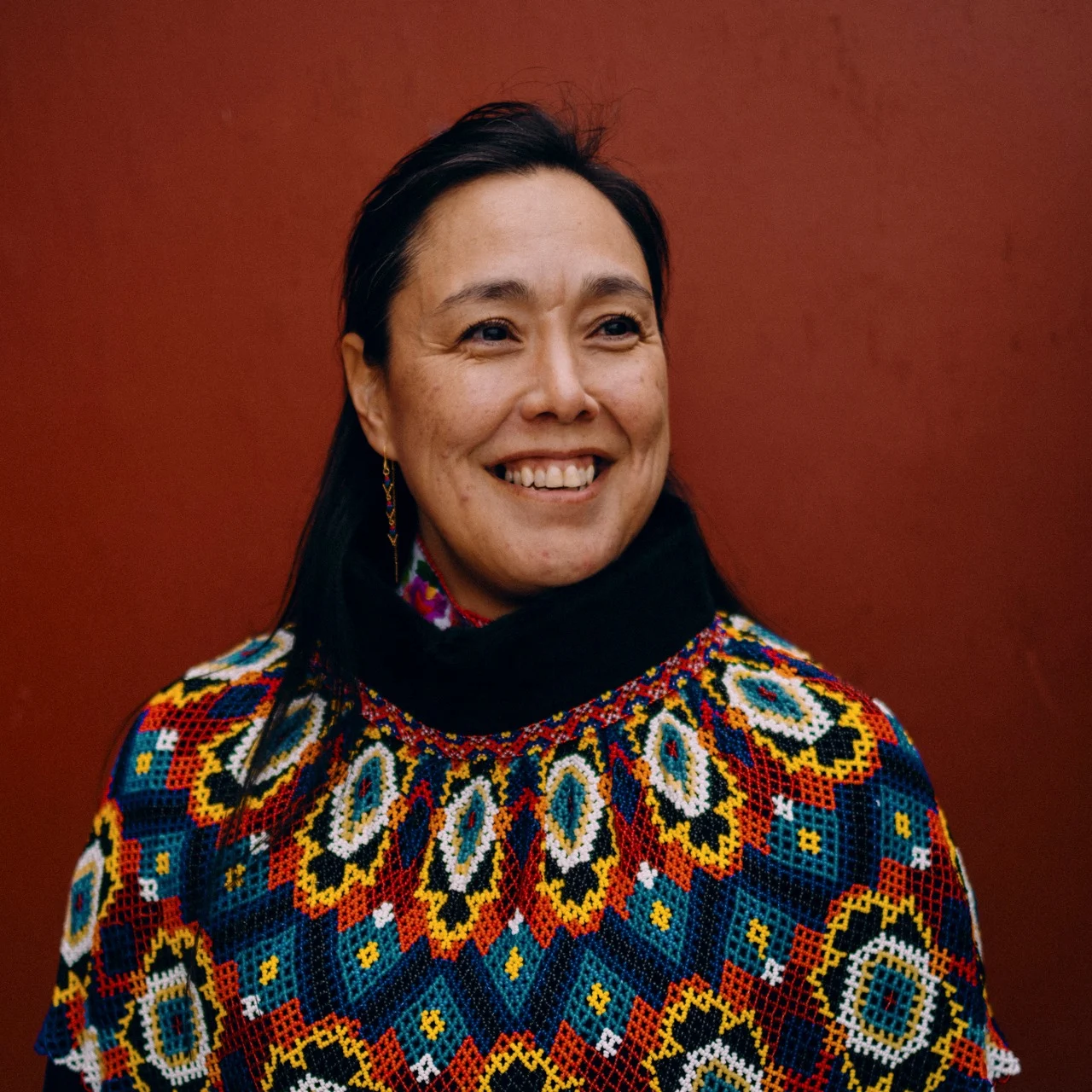
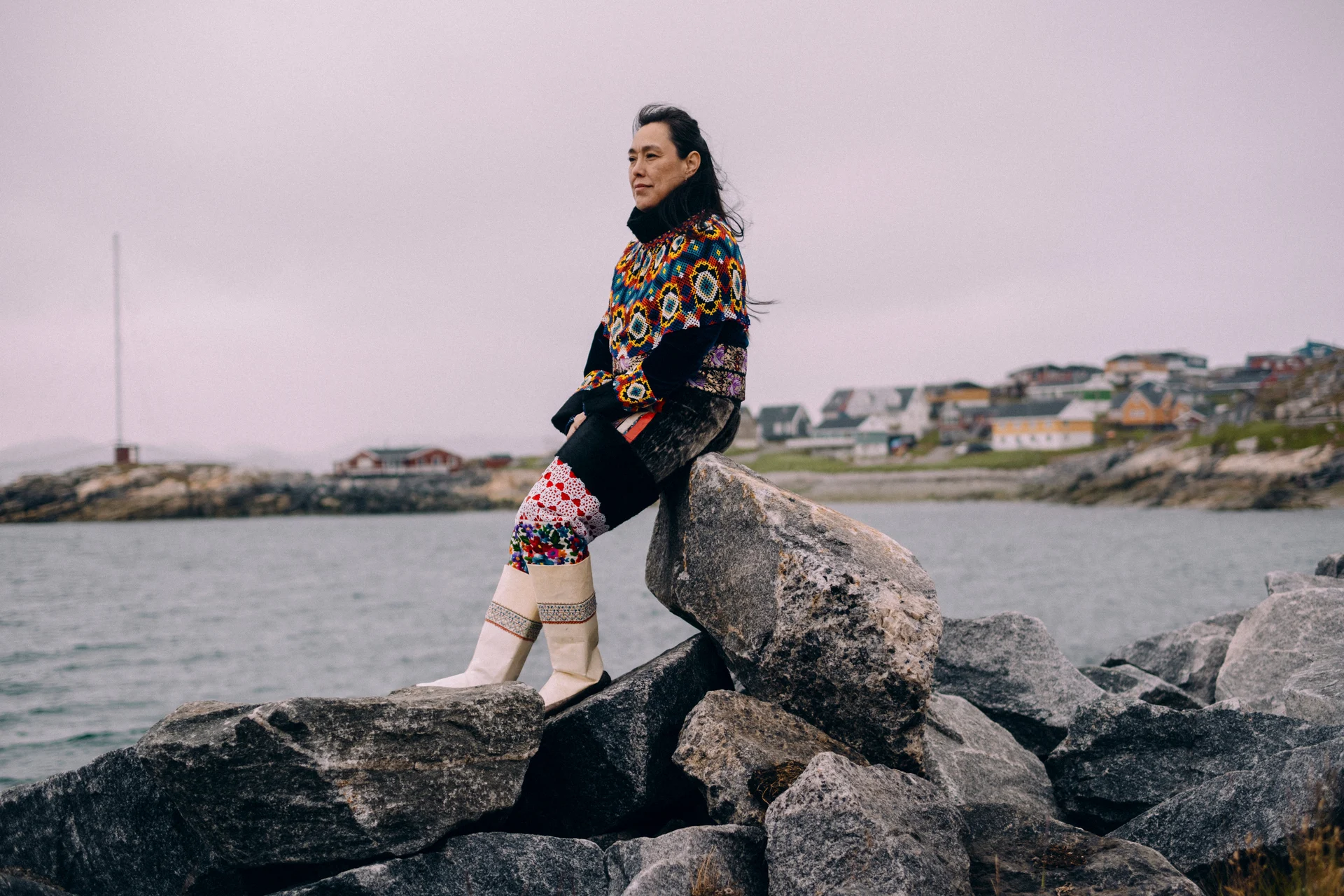
Ein vollständiges Kalaallisuut-Outfit besteht aus mehreren Teilen: dem Timmiaq, der unter einem verzierten Anorak getragen wird, dazu kurze Robbenfellhosen, sogenannte Seeqqerngit, Kamik-Stiefel und der Nuilarmiut, ein mit Perlen bestickter Kragen.
Jedes Kleidungsstück erzählt eine Geschichte: davon, wer es hergestellt hat, wer es getragen hat und welche Anlässe es miterlebt hat. „Wir legen großen Wert darauf, Kalaallisuut zu tragen … zu freudigen und zu traurigen Anlässen.“ Hochzeiten, Beerdigungen, der erste Schultag eines Kindes – dieselben Kleidungsstücke begleiten die Meilensteine des Lebens.

Gemeinschaft durch Handwerk stärken
Sara-Marie erinnert sich an einen Moment, als ein junges Mädchen kurz vor dem Schulbeginn stand, ohne einen „Nuilarmiut“ zu besitzen – einen Perlenkragen, der bis zu 20.000 kleine Perlen enthalten kann und dessen Fertigstellung bis zu 64 Stunden in Anspruch nimmt. Da kaum noch Zeit blieb, sammelten die Familienmitglieder Materialien und arbeiteten die ganze Nacht hindurch gemeinsam daran, damit das Outfit am nächsten Morgen fertig war.
„Wenn jemand Hilfe braucht, springen wir schnell füreinander ein, denn letztendlich sind wir eine Gemeinschaft. “
In Grönland gibt es ein Wort für diese Art der gemeinsamen Verantwortung: ataatsimoorneq. Im Kern bedeutet es „Zusammengehörigkeit“ oder „Einheit“. Sara-Marie beschreibt ataatsimoorneq als eine Art und Weise, wie die grönländische Kultur durch die Bräuche bewahrt wird, die sie geprägt haben: wie Jagen, Tanzen, Geschichtenerzählen und für sie das Nähen.

„Früher lebten die Menschen in Gemeinschaft. Wenn sie auf der Jagd waren, wurde die Beute unter allen aufgeteilt. Ataatsimoorneq ist mir sehr wichtig, denn letztendlich sind wir eine Gemeinschaft.“
In Sara-Maries Werkstatt nimmt diese Idee praktische Gestalt an. Eine Naht wird verstärkt, eine Perle ersetzt, ein Kleidungsstück wieder in den Umlauf gebracht. Durch die Pflege bleibt das Kleidungsstück Teil des Alltags und wird nicht zu einem Symbol, das aus dem Gebrauch genommen wird. „Je besser ich es verstehe, desto mehr lerne ich über die alten grönländischen Lebensweisen“, sagt sie. „Ich bin stolz darauf, dass ich das tun kann.“
Das Gewebe der Identität
In der Arbeit von Menschen wie Sara-Marie werden die Werte deutlich, die die grönländischen Gemeinschaften geprägt haben und weiterhin prägen. Durch überlieferte Nähtechniken wird jedes Kleidungsstück zu einer Metapher für die Verflechtung von Vergangenheit und Gegenwart, die die Menschen mit ihren Traditionen und untereinander verbindet. Es erinnert uns daran, dass unser Selbstverständnis untrennbar damit verbunden ist, wie wir zusammenkommen, füreinander sorgen und unser Erbe weitergeben. „Kalaallisuut ist für uns als Menschen, für unsere Identität als Menschen, von großer Bedeutung. Es lebt bereits in uns, in unseren Herzen, deshalb bedeutet es uns so viel.“