Expedition Cruise vs Traditional Cruise: What’s The Difference?
Compare expedition and traditional cruises with HX. Start planning your journey to remote, iconic and unforgettable destinations.
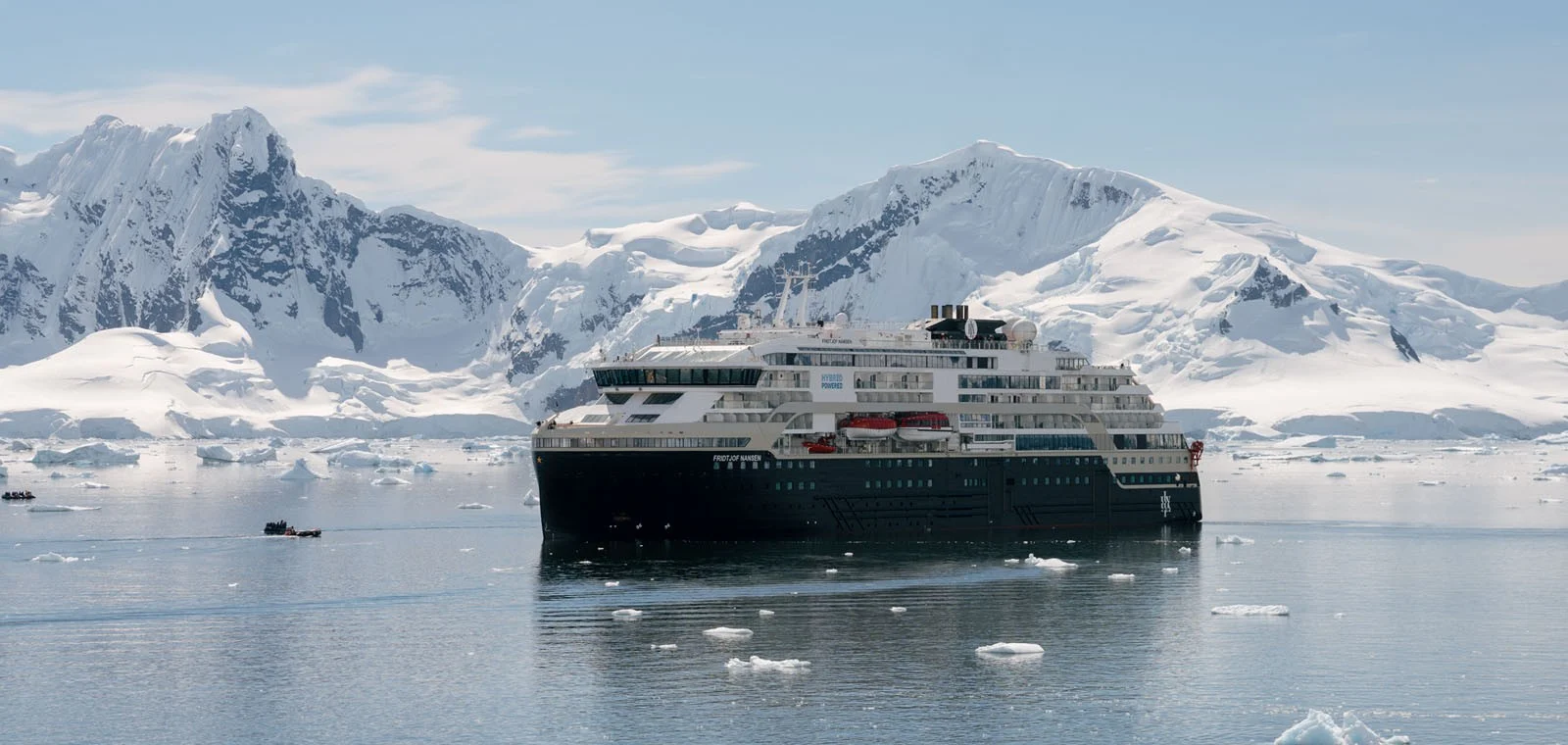
Cruising is a captivating way to explore, but not all voyages are alike. Some visit bustling ports and iconic cities, while others venture into remote, far-flung waters. This guide compares expedition and traditional cruises, from destinations to pace.
What’s in this article?
Below, you’ll find a quick guide to the sections in this article, so you can explore the topics you’re most curious about:
Ship size and capacity
Onboard experiences and activities
Off the boat: Adventure and excursions
Learning and discovery over entertainment
Destination access
Pace of the journey
Expert guidance and crew
Environmental impact and sustainability
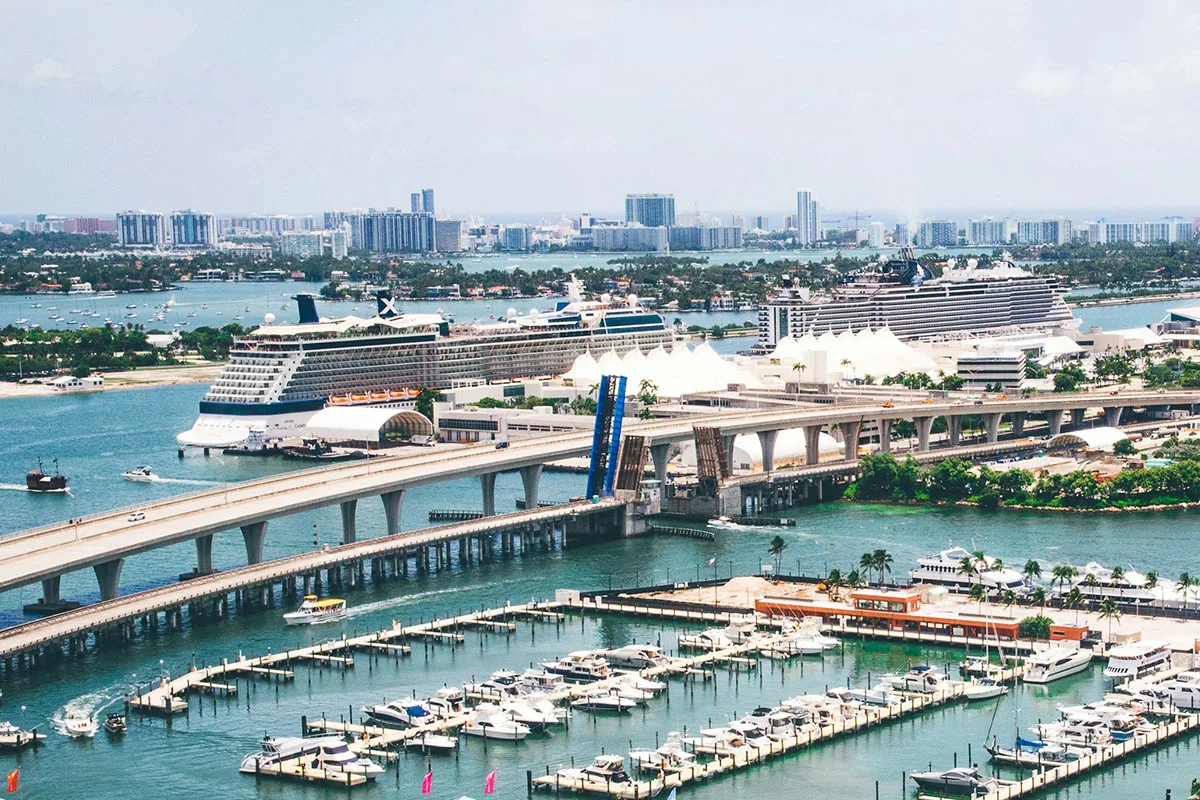
What is a traditional cruise?
A traditional cruise usually takes place on a large ship, following a set itinerary along the coast or rivers to popular tourist destinations and cities. Ships dock in these ports, delivering several hundred or a few thousand tourists into the city, town, or village for the day.
Ship size and capacity
Expedition cruise ships are small, intimate vessels designed to navigate narrow channels, explore hidden coves, and bring you closer to wildlife that few have the chance to see. HX ships, for example, vary in size depending on where they operate and the experiences they are designed to deliver, with capacities ranging from 90 to 490 guests.
Whether exploring the glaciers of Antarctica or the volcanic shores of the Galápagos, these small ships allow every moment to feel personal, intimate, and unforgettable.
Traditional cruise ships, by contrast, are often much larger, carrying thousands of passengers. Their size supports a wide range of amenities and entertainment, from casinos to waterparks, but it also limits access to remote or hard-to-reach destinations, offering a more structured, holiday-like experience.

“From the top deck, stargazing felt both spectacular and deeply spiritual.”
- Helen, HX Guest
Unlike journeys that focus on tourist hot spots, expedition cruises are built to go further. With ice-strengthened hulls, HX ships are designed to navigate challenging polar environments, allowing you to venture to the ice edges of places like Svalbard and Greenland, where wildlife and landscapes feel truly untamed. Advanced stabilisers also ensure a smoother, more comfortable crossing in open waters, including when we cross the Drake Passage.
Onboard experiences and activities
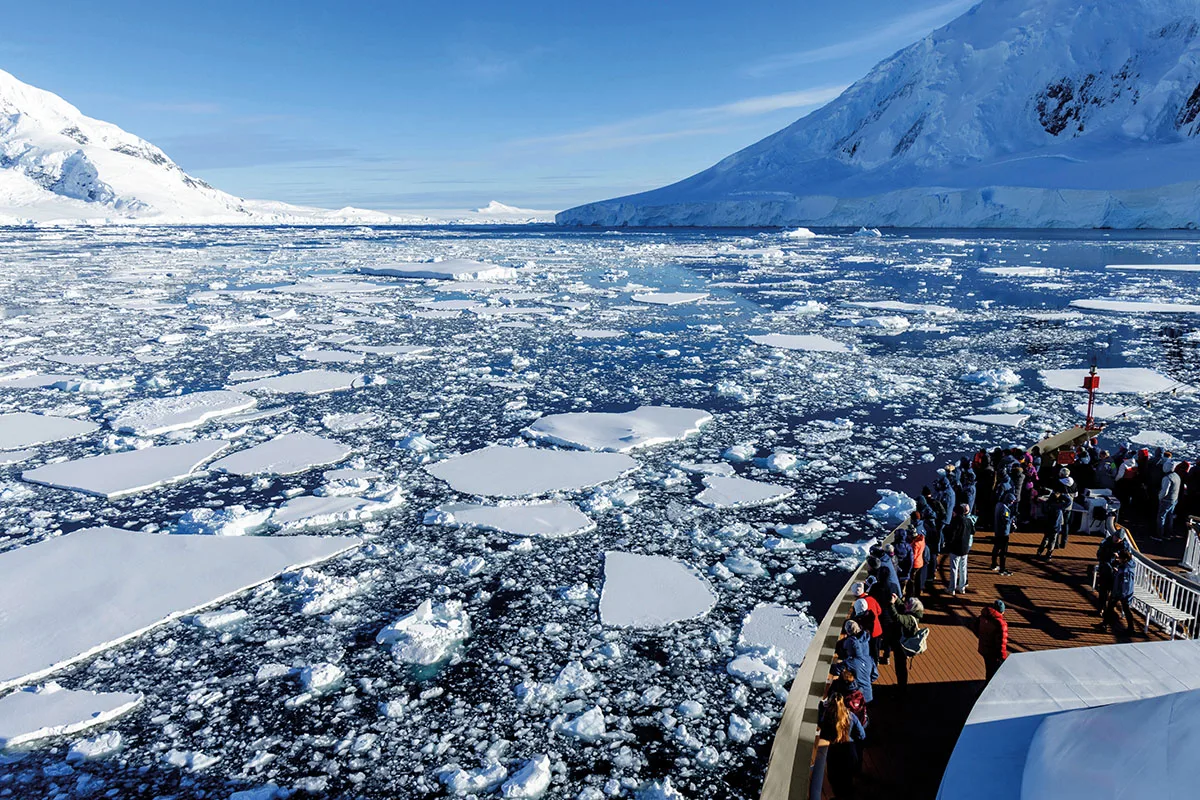
On an expedition cruise, life on board is centred around discovery and understanding the world around you. Days are shaped by a robust programme of expert-led lectures, covering everything from science and wildlife to history and photography, bringing each destination to life.
Guests can also spend time out on deck, taking in passing landscapes and spotting wildlife, or preparing for upcoming landings and small boat excursions, which are included as part of the core expedition experience.
On traditional cruises, onboard life often revolves around entertainment and leisure. Guests can expect cabaret shows, pools, casinos and structured social activities, with less emphasis on education or deeper exploration of the places they travel to.
Off the boat: Adventure and excursions
Looking to explore nature up close? On an expedition cruise, you don’t just see the destination – you actively explore it. Sleep beneath an Antarctic sky, paddle through floating ice packs, or set out on small expedition boats to encounter wildlife like never before.
Whether snowshoeing across remote terrain, diving in for a polar plunge, or joining scenic hikes and meaningful visits with local communities, Every day is built around getting out there, going further, and experiencing the wild firsthand.
Like expeditions, traditional cruises do offer shore excursions, but these may follow well-trodden routes and scheduled activities, providing a more familiar and predictable style of adventure.
"Loved our hikes on the islands – each unique and different. There wasn't a creature or plant our guide couldn't tell us about"
- Helen, HX Guest

Learning and discovery over entertainment
Unlike traditional cruises, which often focus on leisure and sightseeing, expedition voyages are designed around curiosity and discovery. As a passenger, you can immerse yourself in the natural world, observing wildlife, exploring ecosystems and seeing nature at another level in the onboard Science Centre.
An expedition with us is enriched by the expertise of onboard scientists and naturalists, bringing the landscapes, wildlife and local habitats to life and ensuring each excursion is both educational and unforgettable. Guests can engage in Citizen Science projects that directly help researchers around the world monitor the health of our planet.

“By joining our ships, you have chosen to embark on an immersive learning experience, learning about the people, places, and wildlife across our breathtaking destinations. You will have the opportunity to support real-time research and help to collect valuable data that will contribute to the conservation and understanding of our planet.”
- Dr. Verena Meraldi - Chief Scientist, HX Expeditions
Learn more about expedition cruising and see how you can experience nature up close, with flexible itineraries and hands-on exploration, rather than the structured entertainment and familiar ports of a traditional cruise.
Pace of the journey
No two expedition cruises are ever the same. Each journey is guided by experienced crews and Expedition Teams who read the conditions in real time, ready to adapt with quick thinking and alternative plans as needed. From shifting ice to changing weather or unexpected wildlife sightings, the route can evolve at any moment to make the most of every opportunity.
This means expecting the unexpected. The pace of the voyage is shaped by the expertise and judgement of those on board, rerouting and responding as conditions change. Whether detouring for a rare wildlife sighting or adjusting course to navigate ice, every day feels unpredictable, purposeful and shaped by the natural world around you.
“Go with HX. They show you everything you want to see with real respect for nature and you.”
- Jim, HX Guest

Expert guidance and crew
On expedition cruises, naturalists, scientists and historians are at the heart of the journey, sharing insights on wildlife, landscapes and local history.
Bringing together specialists across fields such as marine biology, glaciology, oceanography, conservation and history, many of our crew have held roles within the scientific and research community. Fully trained in AECO and IAATO guidelines, our team ensures every journey is conducted responsibly, safeguarding guests, wildlife and fragile habitats.
Meet the HX expedition team and learn more about the people behind your expedition experiences, including those who lead our Science & Education programme, delivering lectures and discussions on wildlife, landscapes, history and conservation.

Environmental impact and sustainability
Conservation and responsible travel are central to every HX expedition cruise. We operate smaller groups with carefully managed landings and responsible exploration practices, helping to minimise our impact while enabling up-close encounters with wildlife and landscapes.
We also sail with two of the world’s first and most advanced hybrid-powered expedition ships, MS Fridtjof Nansen and MS Roald Amundsen, designed with emissions-reduction technology to support more efficient operations in the remote regions we visit.
Onboard, our expert crew shares insights on climate change, ocean plastic and ways you can help protect the natural world. We also support conservation and community projects, from safeguarding Galápagos seabirds and Pacific Northwest orcas to helping preserve the stories of Itelmen elders in Canada’s north.

While traditional cruises often focus on leisure and sightseeing, expedition voyages combine adventure with learning and conservation, leaving you with unforgettable experiences and a deeper connection to the planet.
"HX let nature be nature, cared for and protected the way it should be."
- Jim, HX Guest
Ready to learn more about expedition cruising?
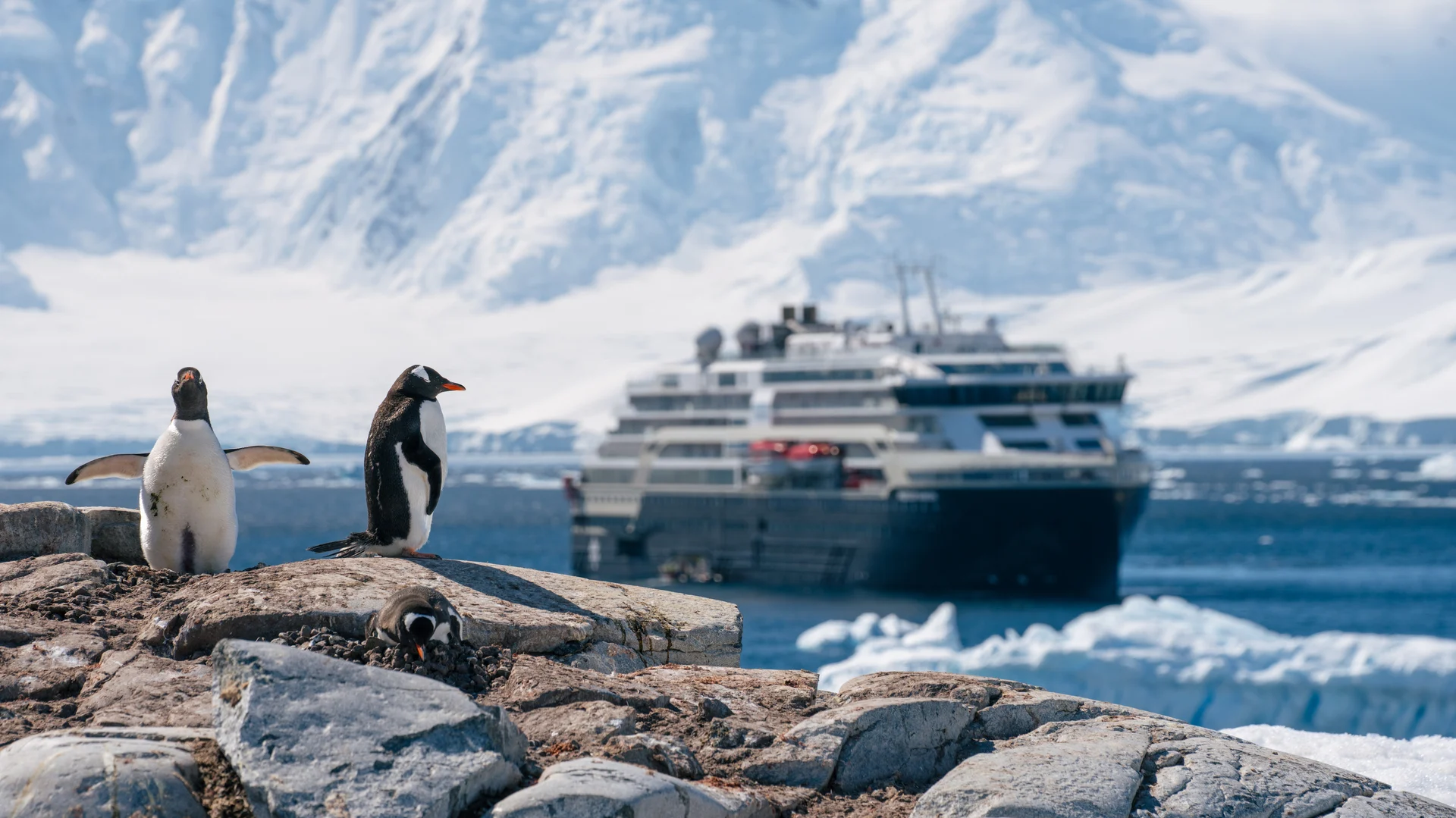
Curious about what an expedition cruise can offer? With HX, you can experience some of the world’s most remote and breathtaking destinations. Explore the icy wilderness of Antarctica, Alaska, Greenland and Svalbard, encounter unique wildlife in the Galápagos, and journey along historic routes through the Northwest Passage, all with expert guidance and comfort.
Chart far-flung landscapes, come face-to-face with wildlife, and create unforgettable memories in places that inspire awe and wonder. Explore our cruises and start planning your next adventure.
FAQs about expedition cruising vs traditional cruising
What does expedition cruising mean?
Expedition cruising is a style of travel focused on immersive exploration, learning and adventure in remote destinations. Passengers often engage with wildlife, ecosystems, and expert-led excursions. Find out more in our expedition cruising guide.
What is the main focus of expedition cruises vs traditional cruises?
Expedition cruises focus on discovery, education and up-close experiences with nature, while traditional cruises tend to focus on leisure, entertainment and visiting popular ports around the world.
Who goes on expedition cruises, and how does this differ from traditional cruises?
Expedition cruises attract travellers seeking adventure and unique experiences in remote locations. Traditional cruises appeal more to guests looking for social and entertainment-focused holidays.
Are expedition cruises more expensive than traditional cruises?
Expedition cruises can cost more due to smaller ships, expert guides and access to remote destinations, but the price reflects immersive, intimate experiences and unique itineraries. Traditional cruises typically sail on larger ships with well-established routes, which can make them more accessible and budget-friendly.
What’s in this article?
Antarctica vs Arctic Summary
How Antarctica and Arctic Cruises Differ
Antarctica vs Arctic: Best Times to Visit
Antarctica vs Arctic: Climate
Antarctica vs Arctic: Wildlife
Antarctica vs Arctic: Scenery and Landscapes
Antarctica vs Arctic: Activities and Excursions
Antarctica vs Arctic: Natural Phenomena
Final Tips
FAQs


