Which Should I Choose? Antarctica vs Arctic Expeditions
The polar regions are Earth’s coldest and most awe-inspiring places. Though the Arctic and Antarctica may seem alike, they differ greatly. Discover the key differences and how to choose the right polar expedition for you.
What’s in this article?
1. Antarctica vs Arctic Summary
2. How Antarctica and Arctic Cruises Differ
3. Antarctica vs Arctic: Best Times to Visit
4. Antarctica vs Arctic: Climate
5. Antarctica vs Arctic: Wildlife
6. Antarctica vs Arctic: Scenery and Landscapes
7. Antarctica vs Arctic: Activities and Excursions
8. Antarctica vs Arctic: Natural Phenomena
9. Final Tips
10. FAQs
Antarctica vs the Arctic: A Summary
At the north and south tips of the world lie our two most extreme environments: the Arctic and Antarctic. Both are defined by ice and isolation, but they are fundamentally different systems shaped by very different geographies.
Antarctica
At the South Pole, Antarctica is a frozen continent: a vast landmass buried beneath an immense ice sheet larger than Europe. This ice can exceed 4,000 metres in thickness and covers around 98% of the continent. Unlike the Arctic, the ice rests on land and slowly flows outward through glaciers and ice streams. It’s also the highest, driest, coldest, and windiest continent on Earth, making it unsuitable for permanent human settlement.
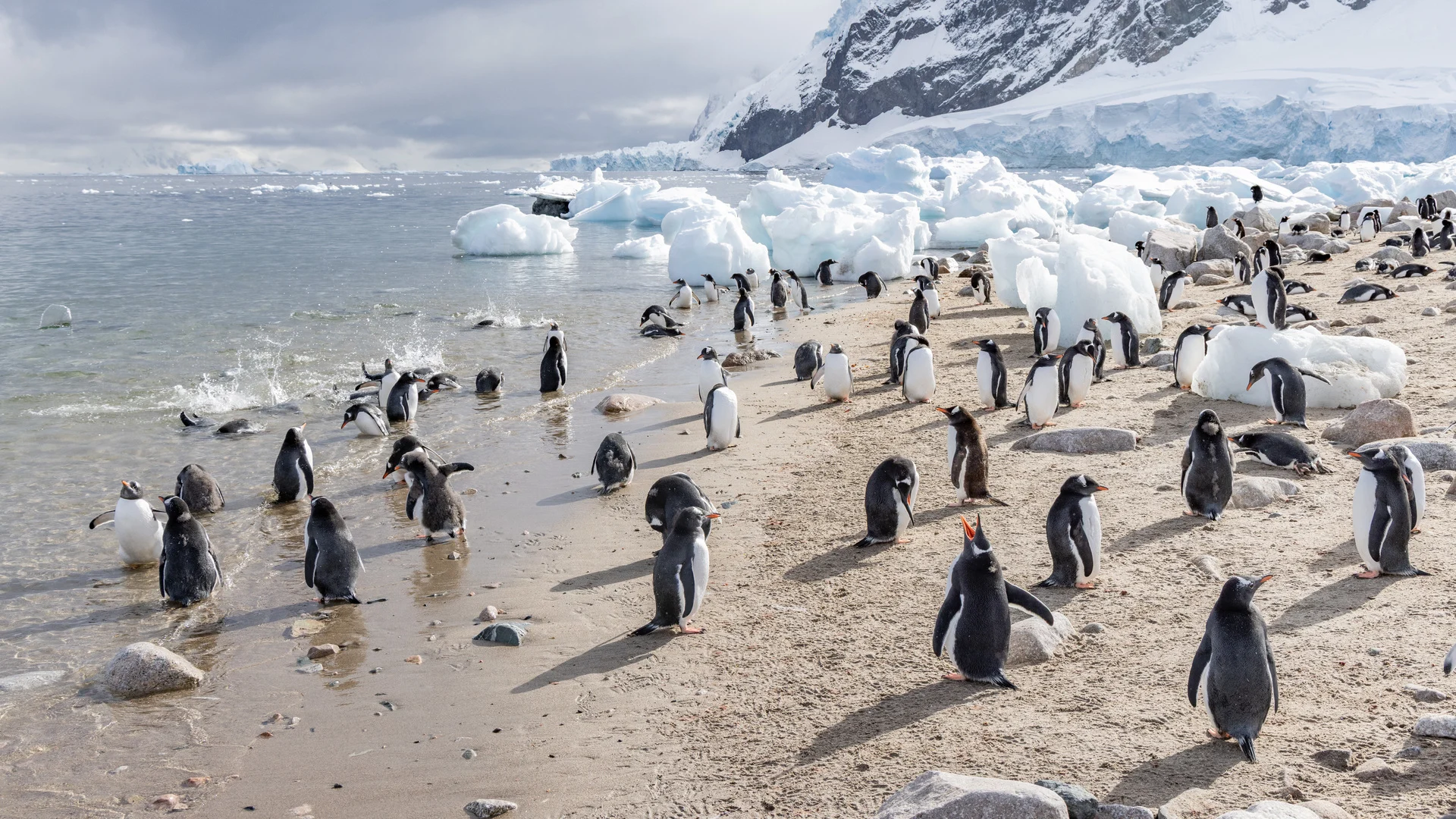
Despite its harshness, Antarctica supports extraordinary seasonal wildlife along its coasts, including vast colonies of penguins, seals, and seabirds, as well as nutrient-rich waters that sustain krill and large populations of whales. Human presence is limited to temporary scientific research stations, with no indigenous or resident communities.
Arctic
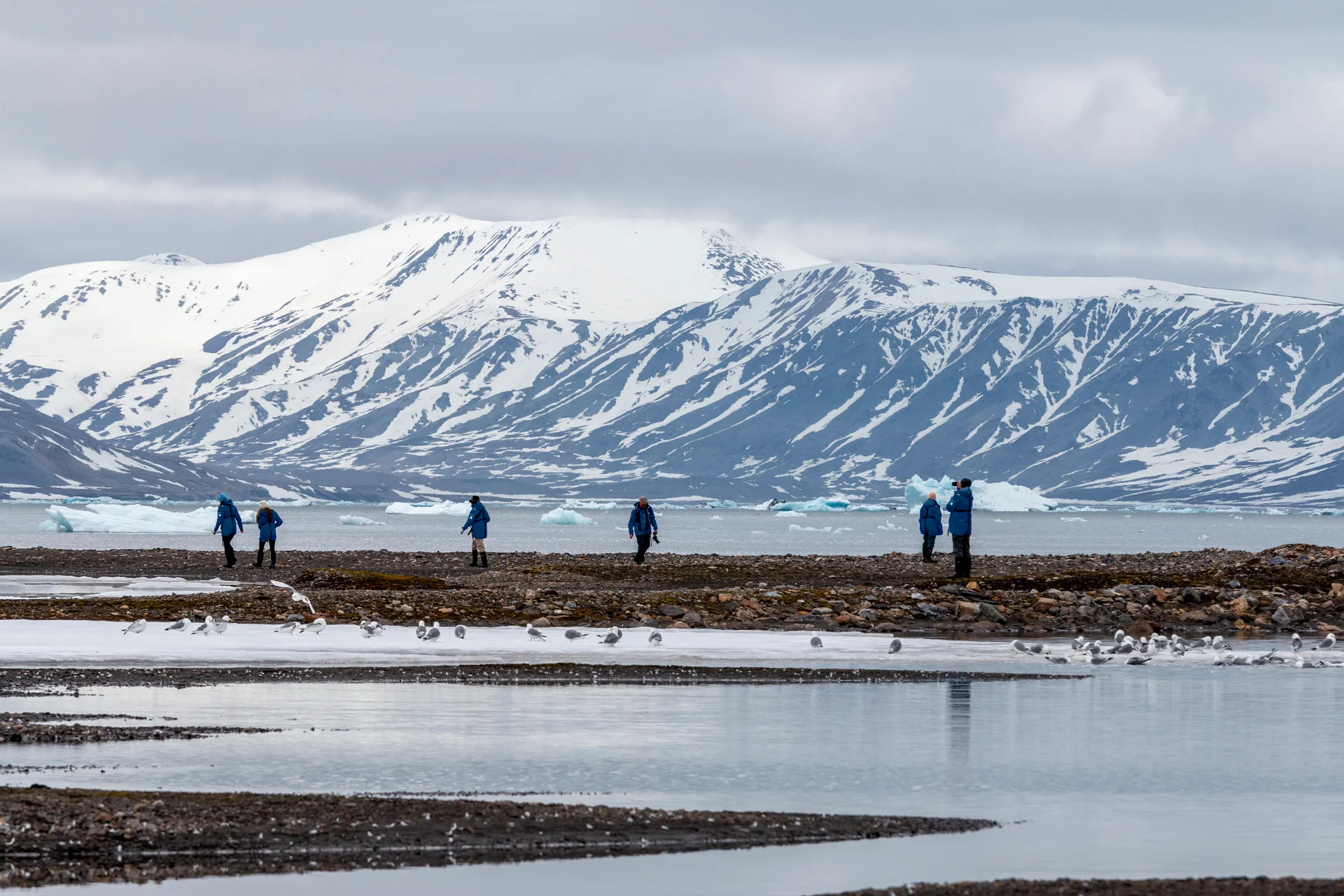
The Arctic at the North Pole is a frozen ocean. Sea ice forms over the Arctic Ocean, typically just a few metres thick, and is constantly breaking, drifting, and reforming with winds and currents. Surrounding it are the northern edges of continents including North America, Europe, and Asia, creating a mix of ocean, coastal, and tundra environments.
This dynamic ecosystem supports a rich variety of wildlife, including polar bears, walruses, Arctic foxes, reindeer (caribou), and musk oxen, alongside marine life such as seals and whales. Unlike Antarctica, the Arctic is also home to people; indigenous communities who have lived in and adapted to these environments for thousands of years, maintaining deep cultural and practical connections to sea ice and land.

“Svalbard makes you appreciate our world, what we have and need to look after.”
- Richard, HX Guest
Antarctica vs Arctic: Best Times to Visit
The timing of each expedition shapes what you will see and experience on the journey.
Antarctica:
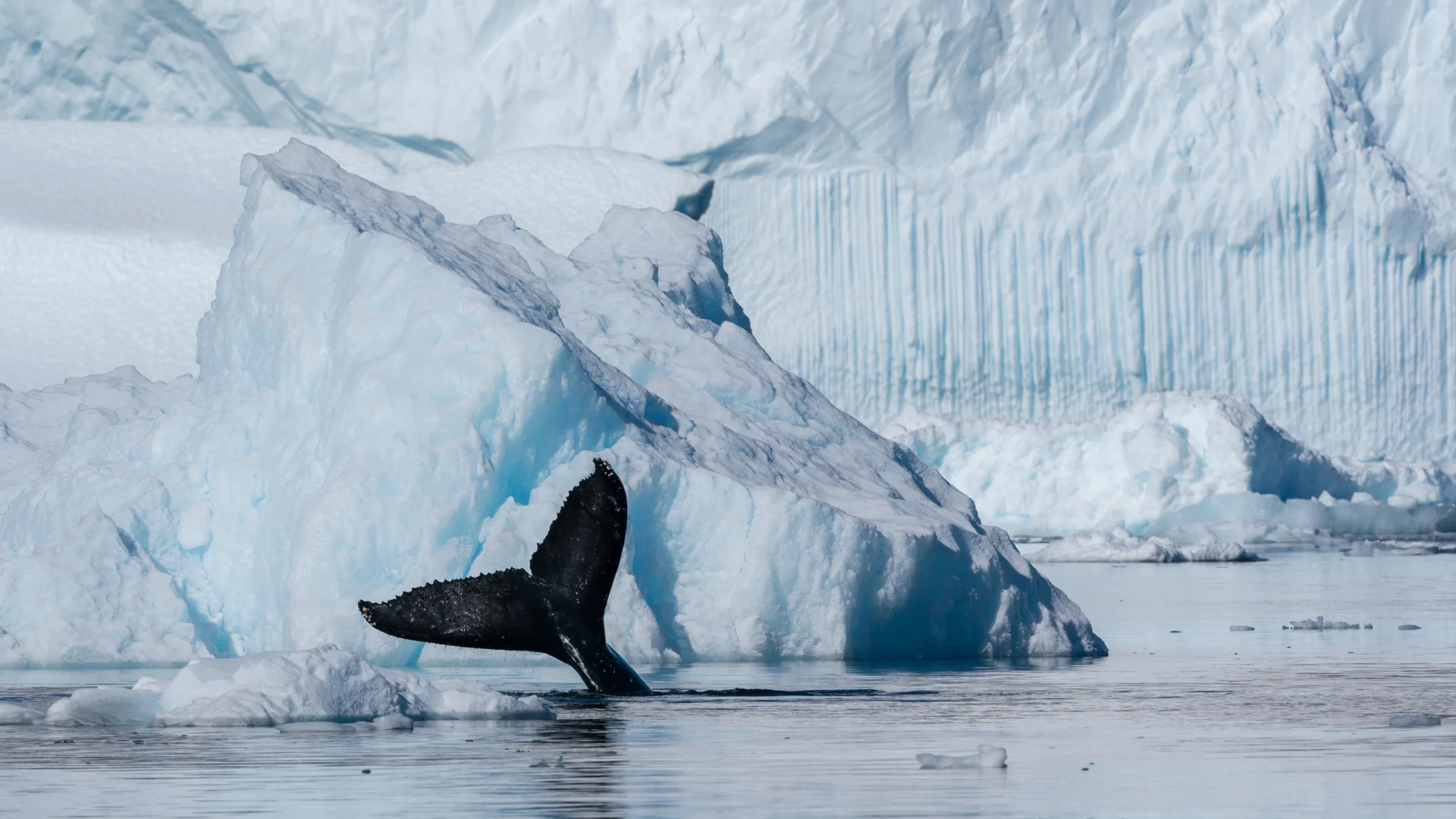
We sail to Antarctica during the austral summer (roughly late October to March), when sea ice retreats and conditions allow access to the continent. This is when Antarctic wildlife is most active, with early summer bringing dramatic ice formations and later months offering more frequent wildlife encounters and opportunities for deeper exploration.
In contrast, the Antarctic winter (April to October) brings extreme cold, near-total darkness, and expanding sea ice, making travel and exploration virtually impossible.
HX offers a wide range of Antarctic expeditions throughout the season, from a springtime voyage in October, to classic itineraries like Highlights of Antarctica, as well as longer voyages that combine the Antarctic Peninsula with South Georgia and the Falkland Islands.
Arctic:
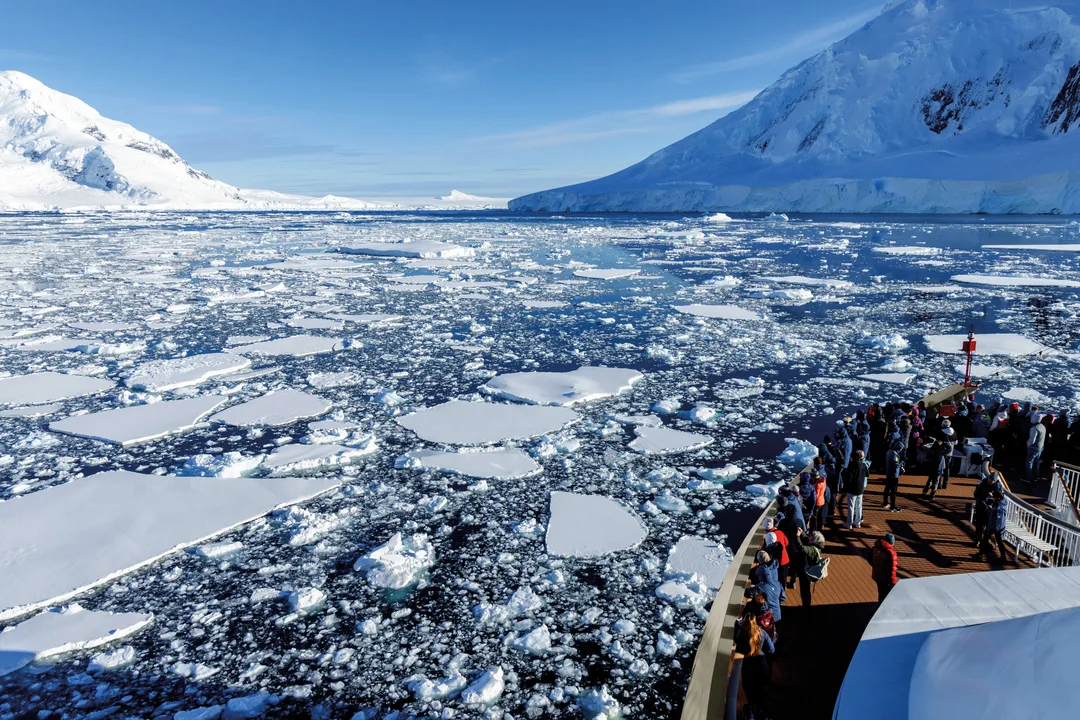
We mainly sail in the Arctic region from May to September, in destinations such as Greenland, Iceland, Svalbard, the Northwest Passage, Alaska, and Arctic Canada, as early summer features melting ice and migrating wildlife, while late summer brings open waters, accessible fjords, and blooming tundra landscapes.
Our Ultimate Norway voyages are a special exception, where we seek the ethereal Northern Lights (Aurora Borealis) during the winter season, December through March, and we take full advantage of bespoke Norwegian winter activities such as snowshoeing, and a Nordic sauna followed by a polar plunge.

“I was just so excited to see snow and ice. I turned into a child again when I saw my first iceberg in Antarctica.”
- Anne, HX Guest
Antarctica vs Arctic: Climate
Both polar regions are defined by extreme conditions, but their climates feel noticeably different throughout the year.
Antarctica:
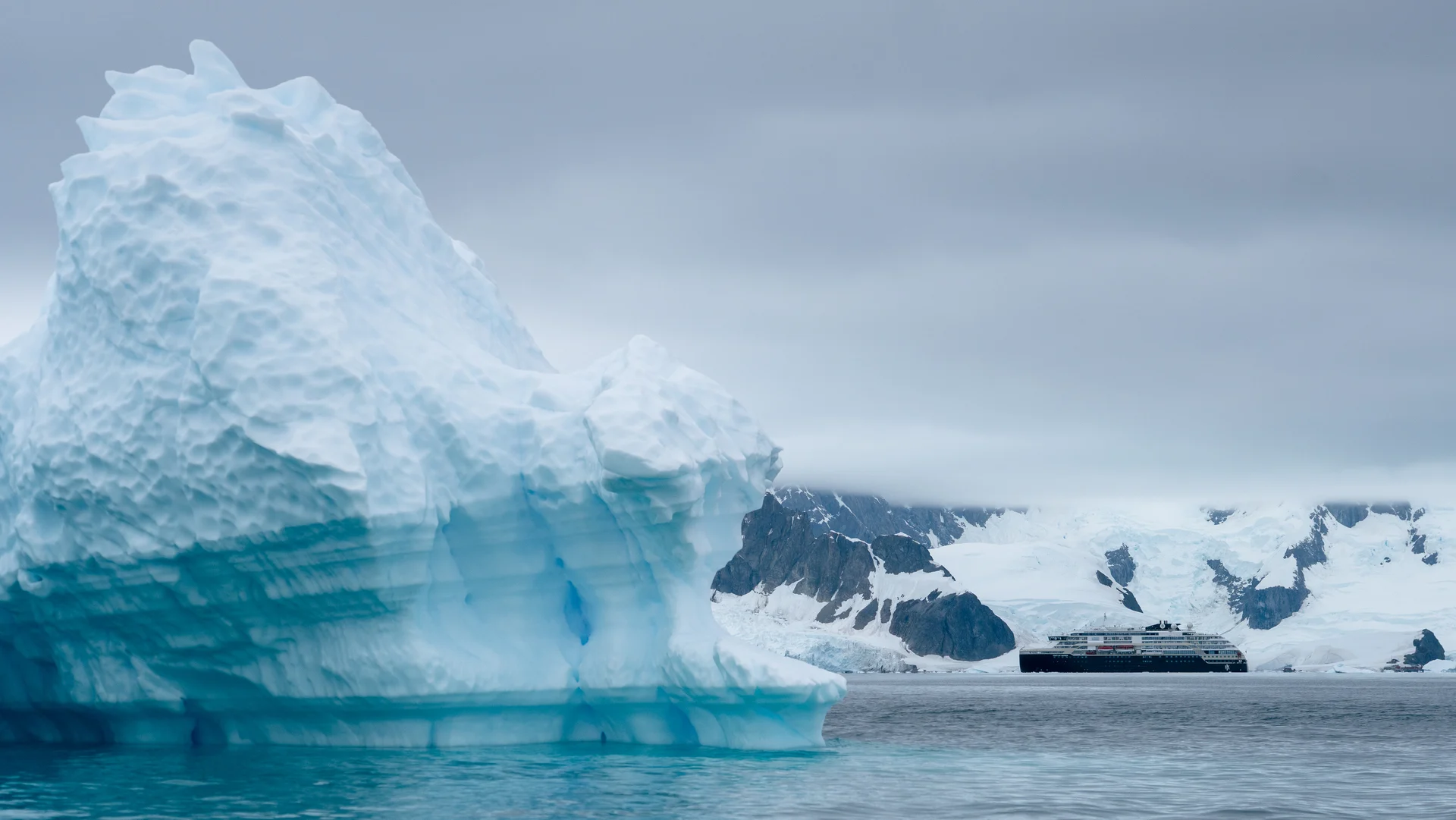
Incredibly cold, drier than the Sahara, and the windiest place on the planet, Antarctica is definitely extreme. But when we visit during the austral spring and summer (late October to March), temperatures on the peninsula range from around -2°C to 8°C, and daylight can stretch to nearly 24 hours under the Midnight Sun. The low humidity also creates exceptionally clear, crisp air, and remarkable visibility.
Arctic:
Cold but far more variable, the Arctic climate shifts significantly depending on location. Coastal regions such as Svalbard are moderated by ocean currents and can feel relatively mild in summer, typically ranging from around -5°C to 10°C (with most HX expeditions operating from May through September). By contrast, more northerly sea-ice regions and inland areas of Greenland or Arctic Canada remain colder and more extreme.
Conditions are also more changeable than in Antarctica, with higher humidity, greater cloud cover, and shifting weather systems. Seasonal sea ice and long daylight hours, including the Midnight Sun, further shape the experience across this diverse polar region.

Antarctica vs Arctic: Wildlife
Wildlife is one of the most memorable parts of any polar expedition, and each region offers its own distinct cast of species and encounters.
Antarctica:
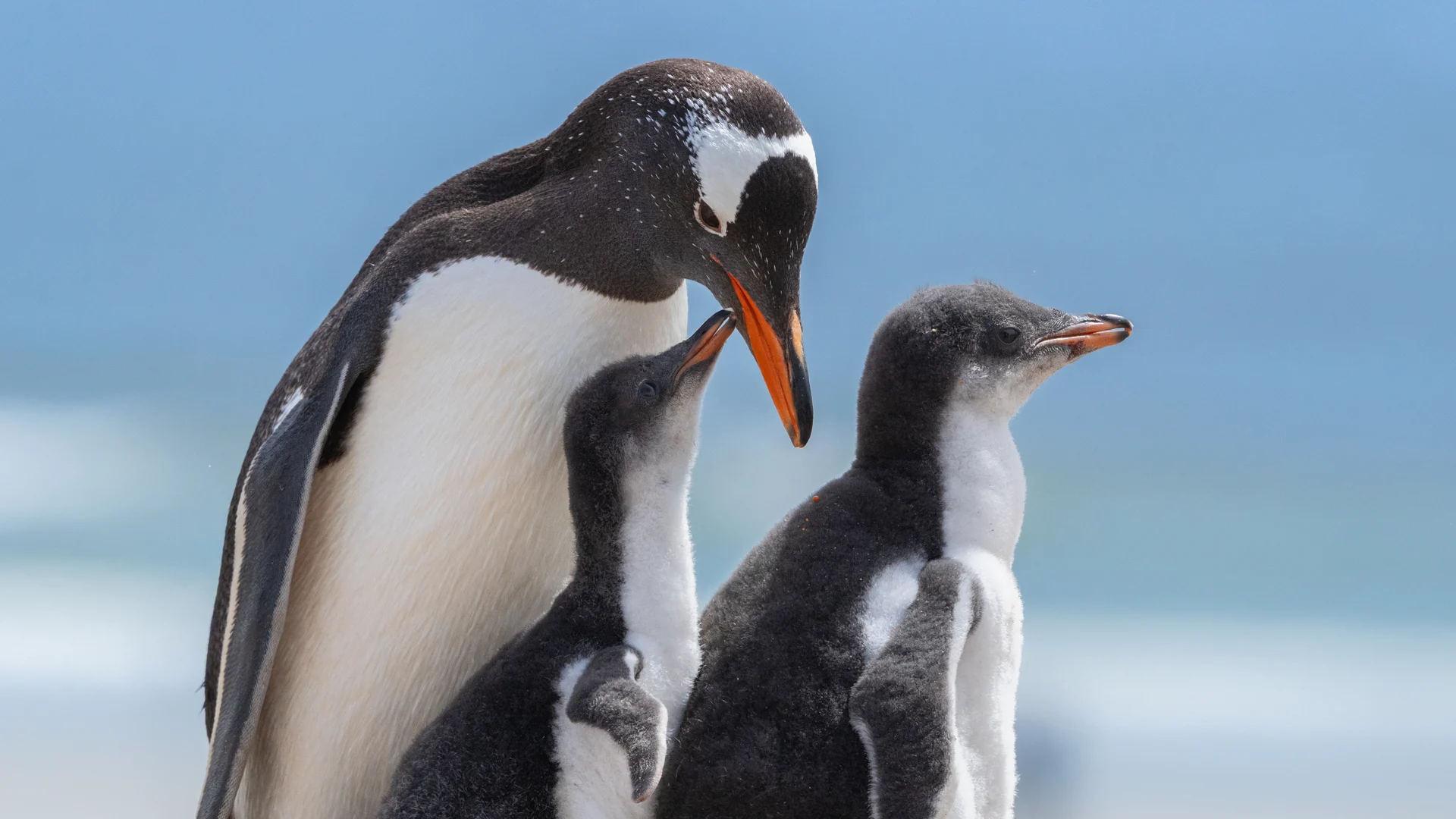
Penguin colonies are one of the most striking sights in Antarctica, where vast numbers gather along the coast during the austral summer. Species including Adélie, chinstrap, and gentoo penguins can all be found across the region, and in the sub-Antarctic island of South Georgia, you could see penguins in their hundreds of thousands gathered on the shore, including king and macaroni.
Out at sea, whales migrate thousands of miles to reach these krill-rich waters, surfacing regularly as they feed beneath the long summer daylight of the Antarctic region’s Midnight Sun. Antarctic krill are among the most abundant animals on Earth, forming vast swarms that can stretch for kilometres and underpin the entire Southern Ocean ecosystem. Despite their size, they are a keystone species, sustaining whales, seals, penguins, and countless seabirds.
Arctic:
Wildlife in the Arctic is spread across a vast region that includes places like Svalbard, northern Alaska, and Greenland, each offering its own variation of wildlife encounters. One of the most iconic sightings is the elusive polar bear, which may be seen on sea ice and in coastal areas as it hunts for seals, if you’re lucky.
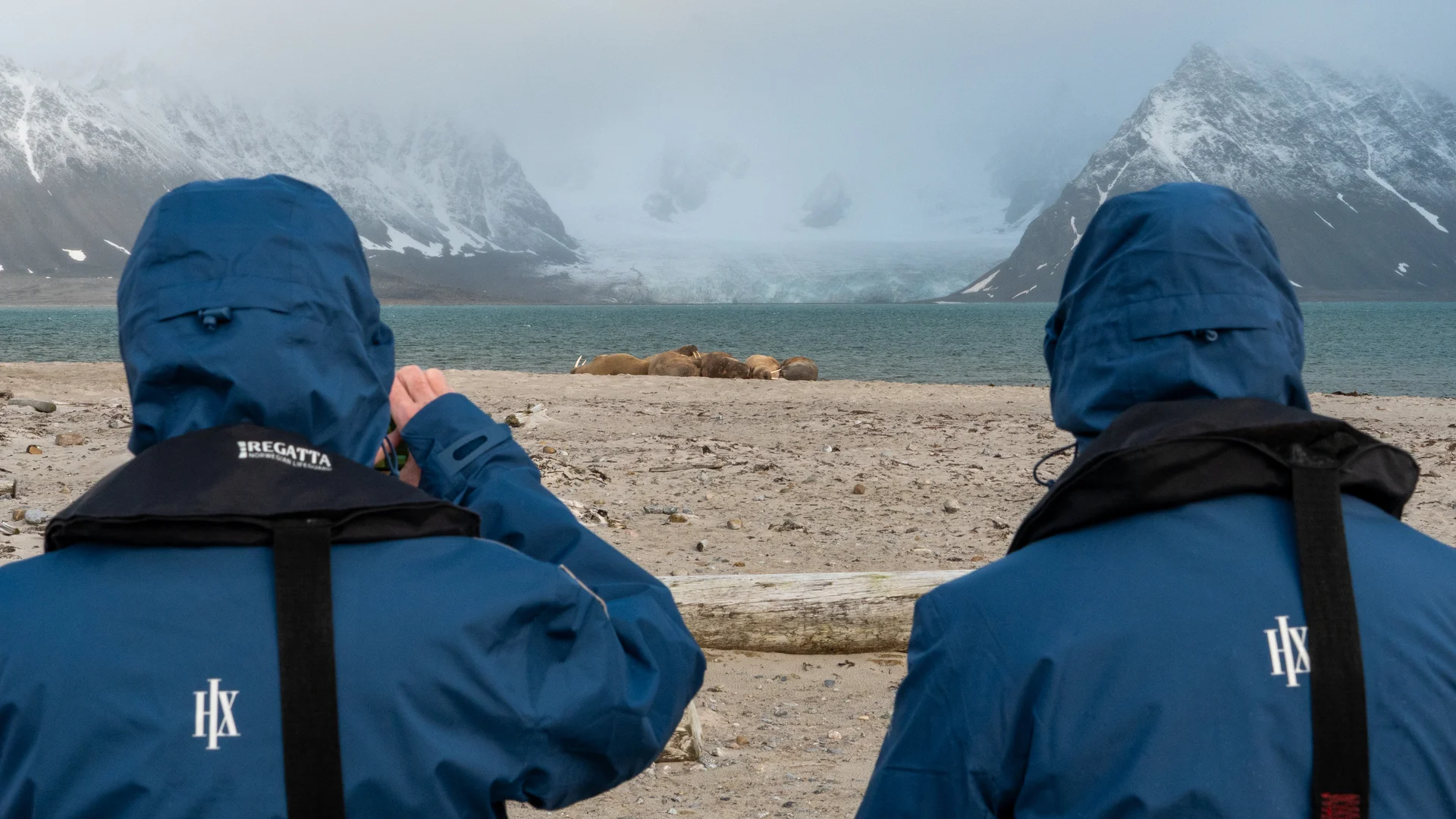
Along coastlines and islands, walruses gather in large haul-outs, while Arctic foxes move across tundra and frozen ground in search of food. In summer, reindeer (caribou) and musk oxen can be spotted across parts of the Arctic landscape, while seabirds fill the skies around cliffs and coastal breeding grounds. Marine life is just as impressive. Depending on the time of year, you’ll might catch sight of humpback and minke whales breaching in the rich Arctic waters.
Discover wildlife in Svalbard or explore wildlife in Alaska to learn how encounters differ across the region.


Antarctica vs Arctic: Scenery and Landscapes
Beyond wildlife, the visual character of each destination is one of the biggest differentiators between the Arctic and Antarctica.
Antarctica:
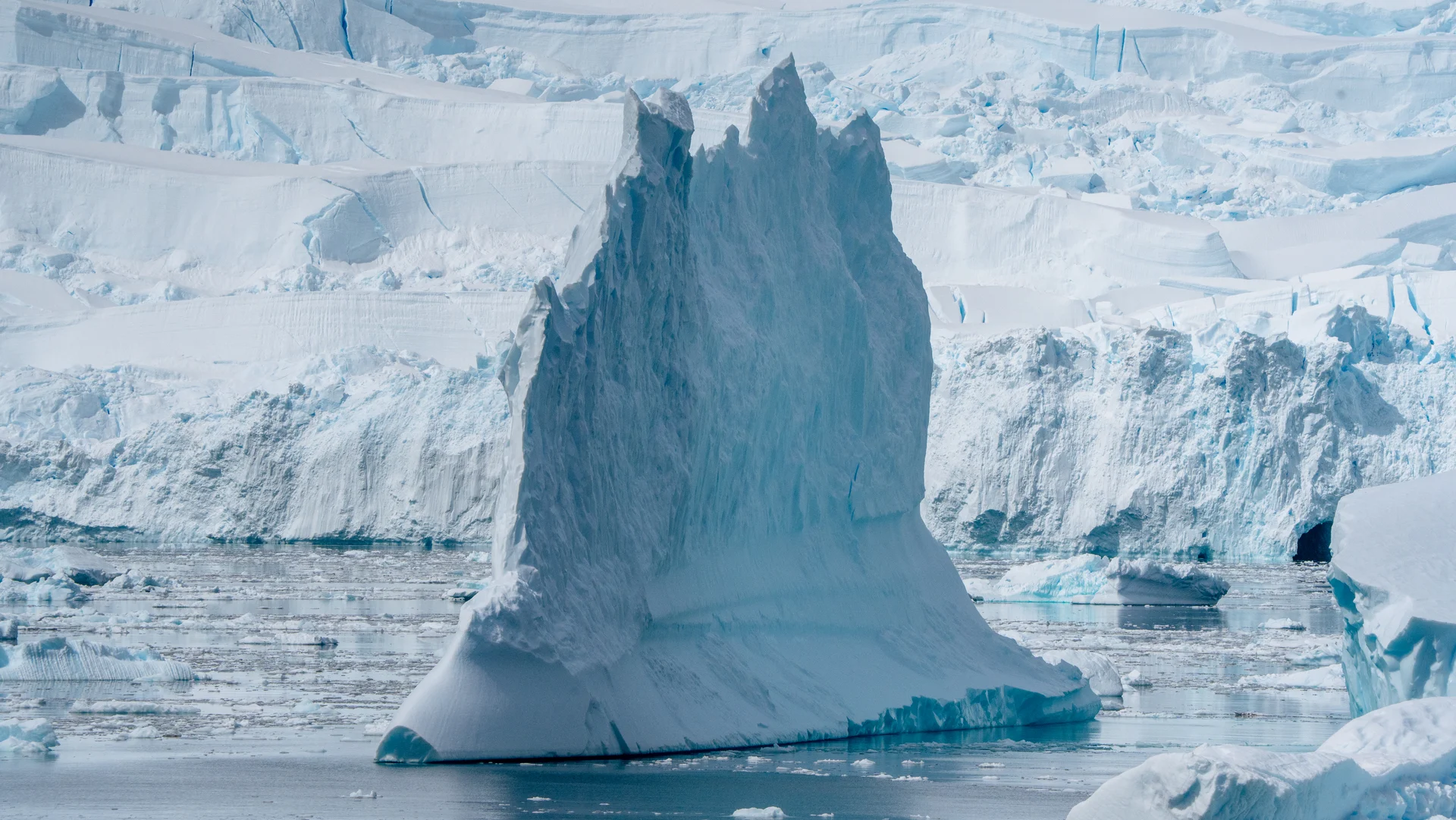
A world defined by scale and silence, Antarctica is shaped almost entirely by ice. Towering glaciers flow into the sea, vast icebergs drift through still waters, and endless white horizons stretch far beyond sight.
This is a landscape of pure simplicity and immense proportion, where even well-known destinations such as the Drake Passage and Elephant Island feel remote and almost out of reach, reinforcing the sense of total isolation at the edge of the world.
Arctic:
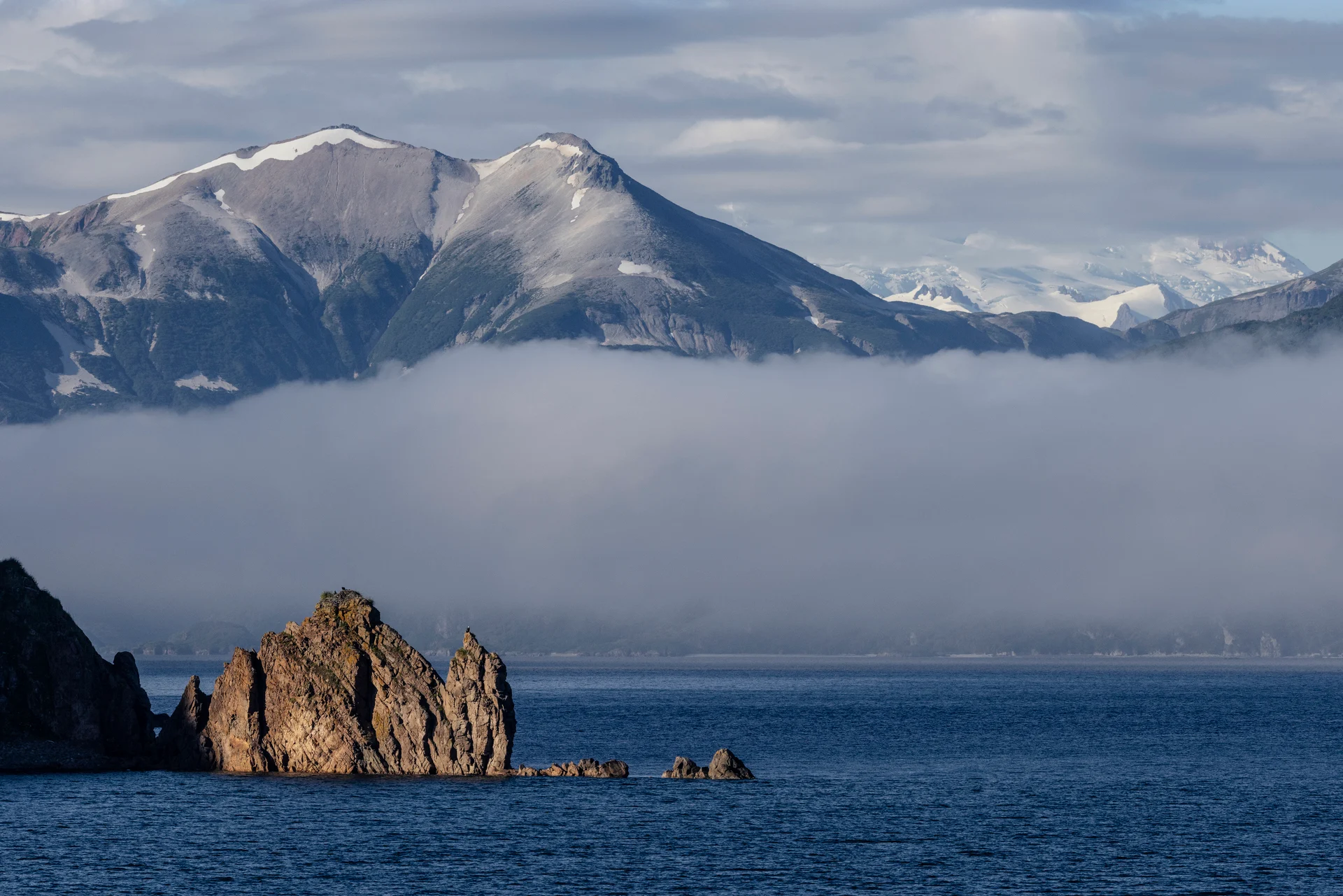
The Arctic offers a far more varied and textured visual experience, blending sea ice with rugged coastlines, mountains, and deep fjords. In Svalbard, dramatic glaciers meet sharp peaks and sea cliffs are alive with bird colonies, while on Baffin Island, vast wilderness stretches between fjords and steep granite peaks in every direction.
Iceland adds another dimension, where places like the Jökulsárlón glacier lagoon and Godafoss waterfall showcase ice, water, and volcanic landscapes side by side. The result is a constantly shifting environment that’s part frozen, part rugged, and always shaped by the seasons.
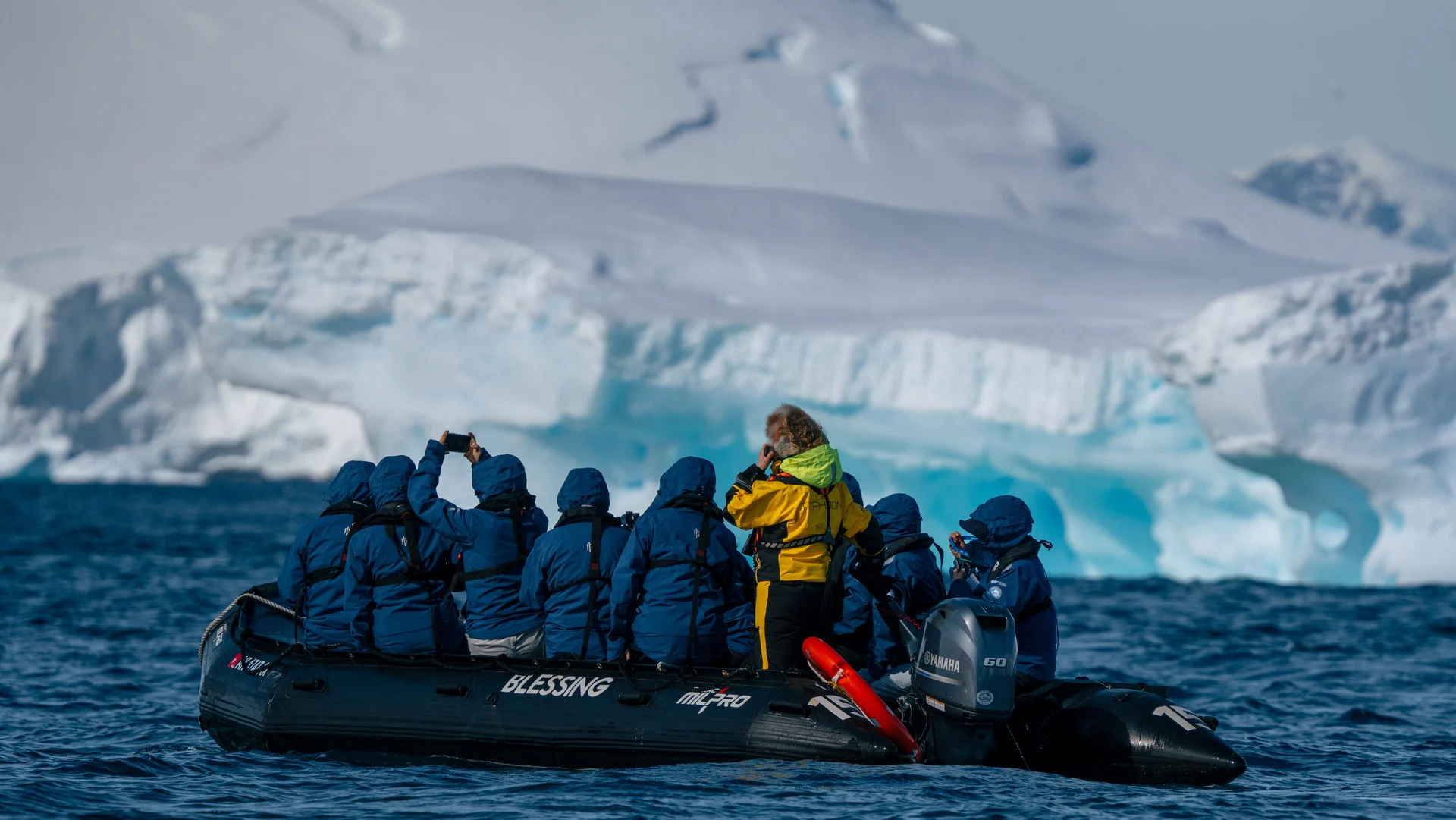
To experience these landscapes up close, our HX expeditions offer guided landings and exploration on Zodiacs that bring you directly into the heart of the polar environment, with expedition experiences designed to reveal the scale, detail, and diversity of each region.

"It’s really Alaska’s wildlife that struck me: the whales, the orcas. I found it magical.”
- Valerie, HX Guest
Antarctica vs Arctic: Activities and Excursions
What sets HX apart is the variety of expedition experiences it makes possible, from exploring the landscapes up close to encounter wildlife, to working with local communities to create rare cultural experiences.
Antarctica:
Expedition experiences in Antarctica are all about getting close to the ice and wildlife, with every landing and Zodiac cruise designed to immerse you in the scale and stillness of the environment.
Zodiac cruising takes you through iceberg-filled waters and along glacier fronts, while nature landings bring you close to penguin colonies and resting seals. Whale sightings are a highlight too, and may be seen both from the ship, on Zodiacs, or even while kayaking. The experience is primarily focused on remote exploration in a landscape with almost no human presence.
Arctic:
The Arctic offers a broader mix of activities shaped by its varied landscapes and human presence. Alongside Zodiac cruises and wildlife watching, expedition experiences off the water may include guided hikes across tundra, exploring dramatic ice-fringed coastlines, searching for wildlife, and visiting remote Arctic communities, for example, for a kaffemik in Greenland, or enjoying cultural performances in Inuit settlements in the Northwest Passage.
Across both regions, our onboard science programme adds another layer to the journey, giving guests the chance to take part in Citizen Science projects and learn from our Expedition Team and Guest Scientists about polar wildlife, ecosystems, and climate research.

How Do I Choose Between a Trip to Antarctica or the Arctic?
The choice really comes down to the kind of experience you’re looking for.
Antarctica suits those drawn to vast, untouched wilderness on the largest scale, with remote ice landscapes, abundant wildlife, and a powerful sense of isolation. With no permanent population and access only by expedition ship, it offers a rare journey to one of the most pristine environments on Earth.
The Arctic offers more variety across multiple destinations, from dramatic fjords and rugged coastlines to encounters with iconic wildlife. It can also include cultural elements across the region, making it a strong choice for those seeking a mix of nature, activity, and human history. It is also generally more accessible from major global hubs, and offers shorter voyage options, starting from around 8 days, while Antarctic expeditions are typically 12 days or longer.
“Nothing could prepare us for Antarctica’s overpowering sense of nature and wonder.”
- Ellyn, HX Guest

FAQs about Antarctica vs the Arctic
What is the difference between the Arctic and Antarctic?
The Arctic is a frozen ocean surrounded by continents, while Antarctica is a continent covered almost entirely by ice. This fundamental difference shapes everything from wildlife to climate and how each region is explored.
Why do people live in the Arctic but not Antarctica?
The Arctic includes parts of Alaska, Canada, Greenland, the Nordic countries, and Russia. Some of these areas consist of very small settlements, many of which are home to indigenous communities, such as those we visit in Alaska, Arctic Canada, and Greenland. Other parts of the Arctic have developed cities, reflecting a wide range of ways people live across the region.
Antarctica has no permanent population, with human presence limited to temporary research stations governed by the Antarctic Treaty System, which designates the continent for scientific research only and should be used for peaceful purposes only.
How different is the Arctic compared to Antarctica?
They are very different in both landscape and experience. Antarctica is vast, remote, and ice-dominated with no human population, while the Arctic is more varied, combining sea ice, tundra, mountains, and inhabited regions.
Are penguins in the Arctic or Antarctica?
Penguins are found in Antarctica and the Southern Hemisphere, not the Arctic. The Arctic’s most iconic species include polar bears, walruses, and Arctic foxes.