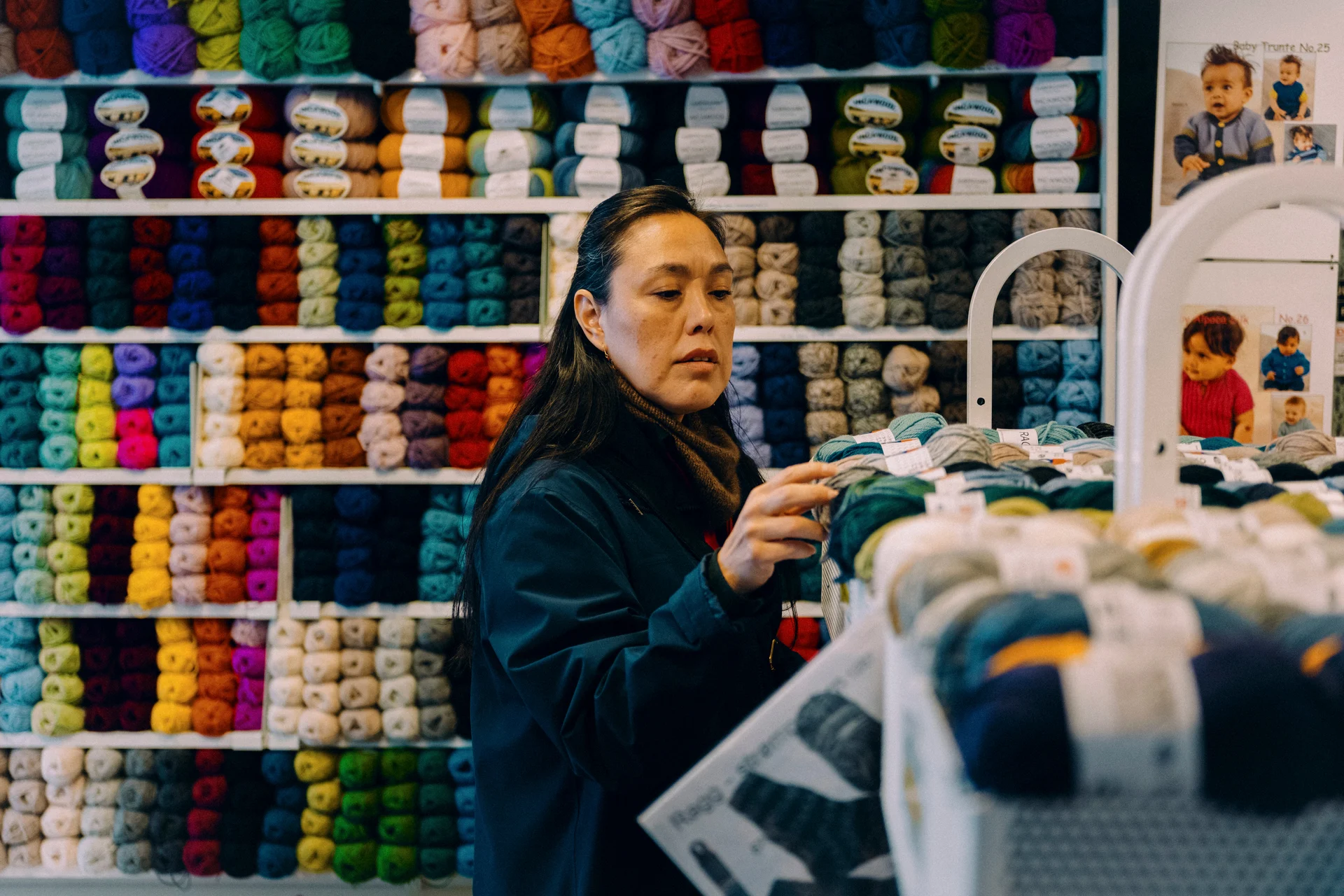
Sara-Marie, sömmerskan
En del av vår serie Kalaallit: Porträtt från Grönland. Den här berättelsen följer en sömmerska från Nuuk vars hantverk bär en kulturell identitet från en generation till nästa.
1 minuters läsning
Senast uppdaterad 12 april 2026
Traditioner som arv
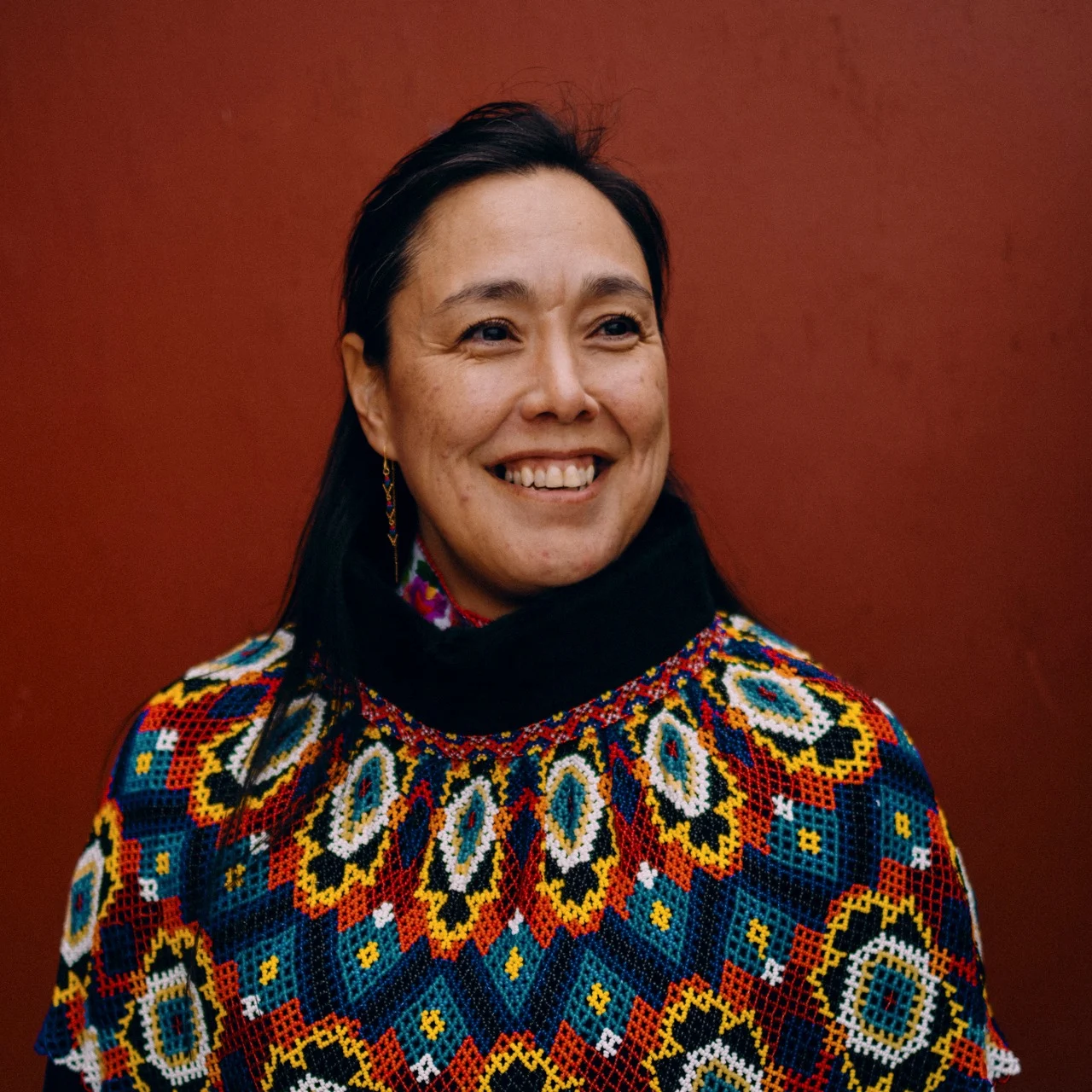
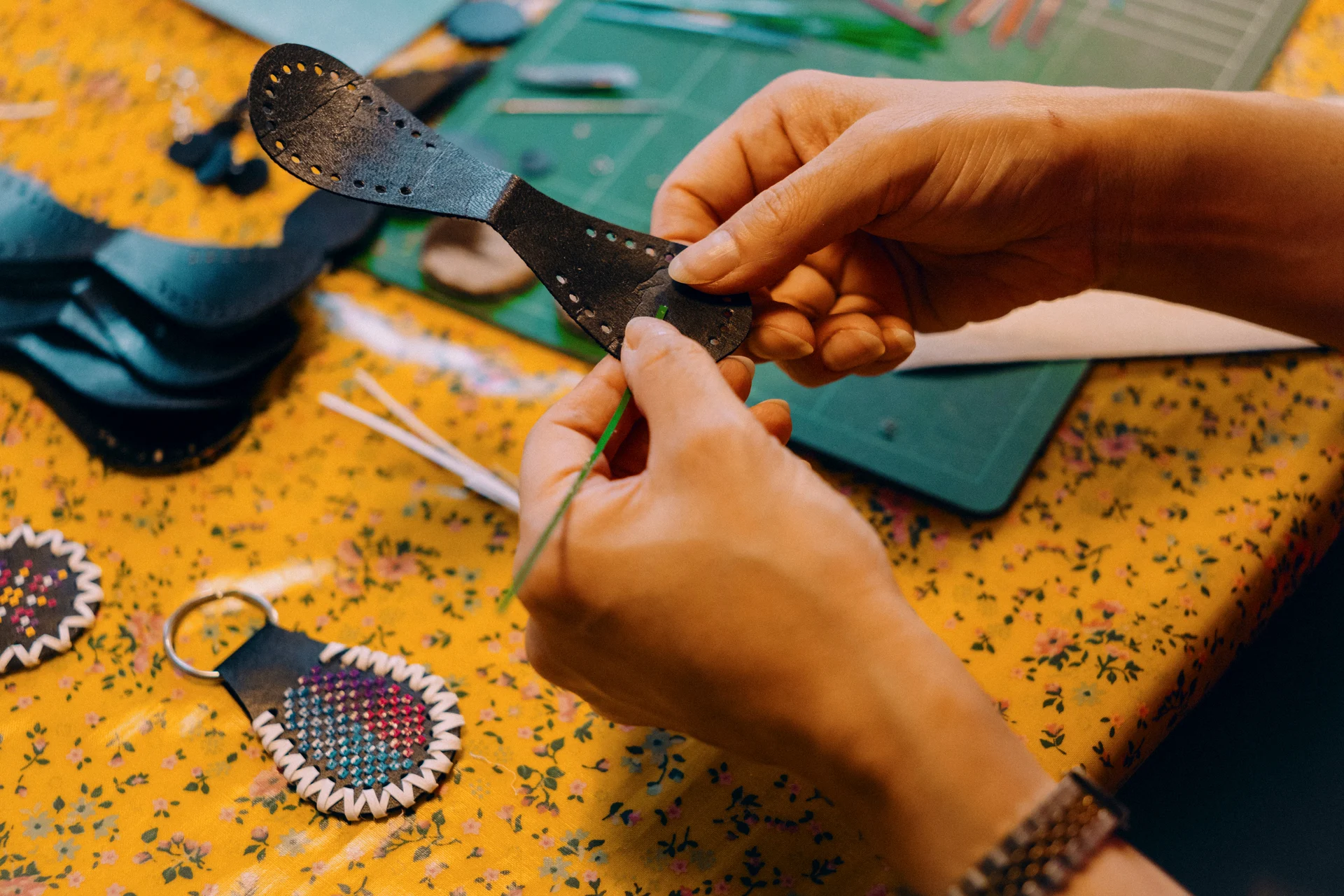
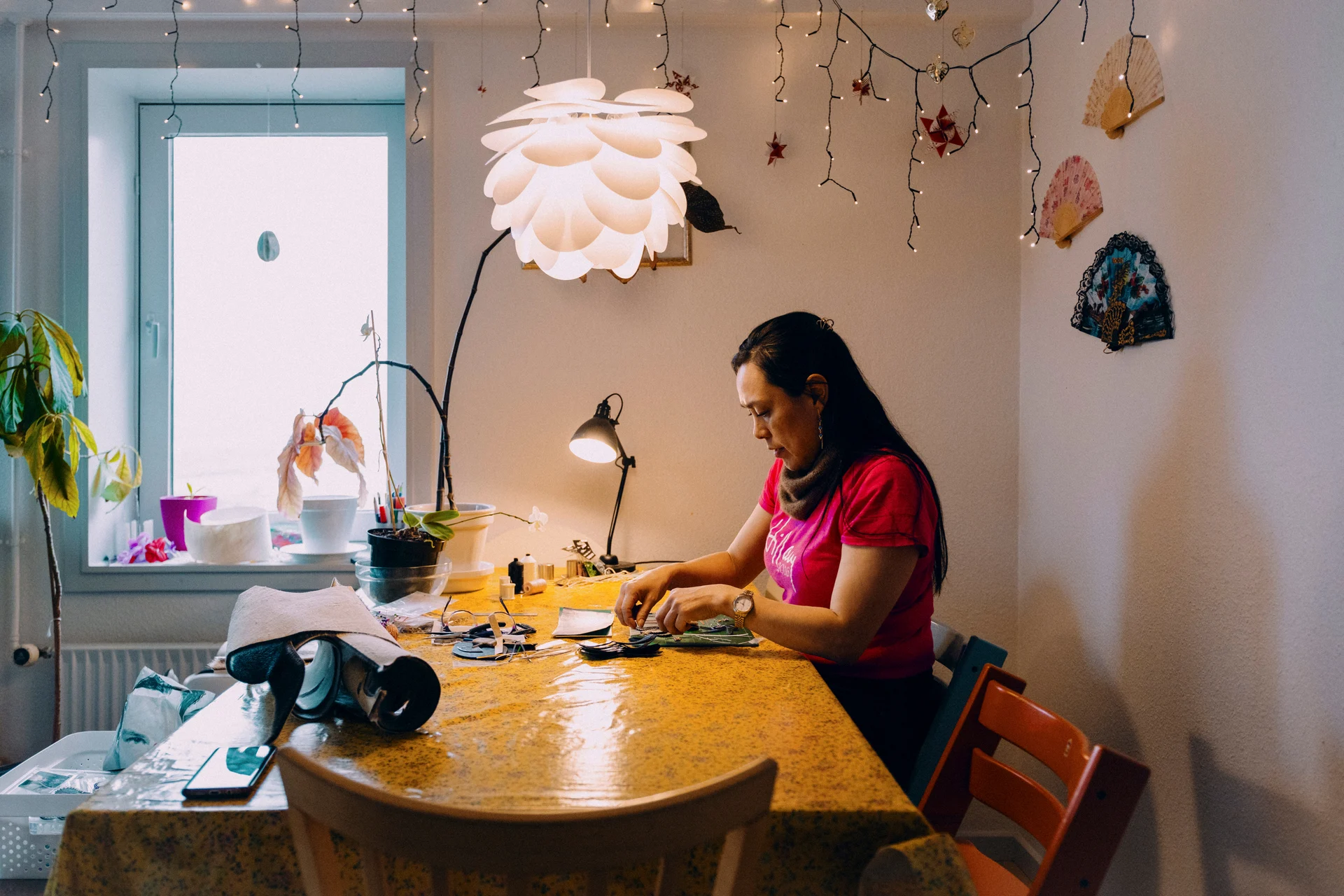
”Jag har fått det i arv och jag ska föra det vidare.” I en liten ateljé i Nuuk sitter Sara-Marie vid ett bord täckt av material, pärlor och trådrullar. Hennes händer rör sig som ett urverk och slingrar nålen genom tyget om och om igen med en lugn och noggrann precision som hon lärde sig för många år sedan genom att titta på sin mormor. ”Jag minns hennes lugn och kreativitet med värme”, säger Sara-Marie. Att sy är ”något som kommer inifrån …” och som hon lärt sig av att ha iakttagit sin mormor i åratal. ”
Sara-Marie, sömmerskan
Kläder genom generationerna
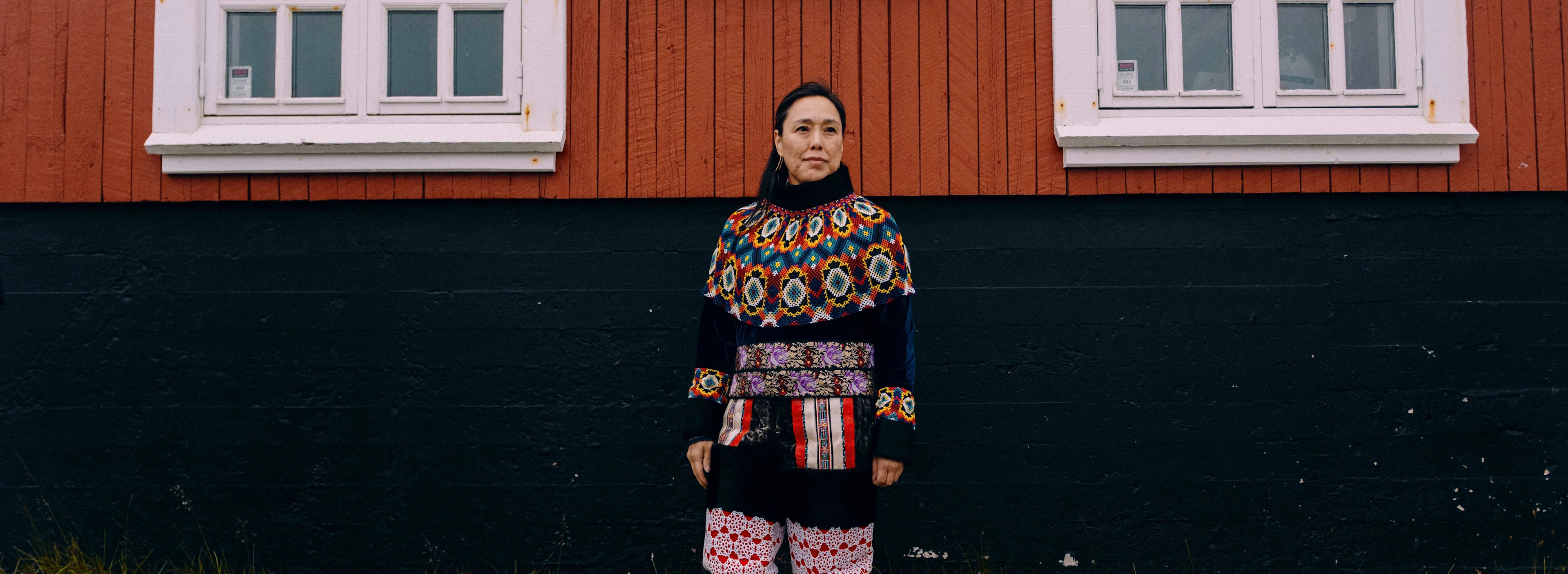
En fullständig kalaallisuut består av flera delar: timmiaq, som bärs under en dekorerad anorak, tillsammans med korta byxor av sälskinn som kallas seeqqerngit, kamik-stövlar och nuilarmiut, en pärlbroderad krage.
Varje plagg berättar en historia: om vem som tillverkade det, vem som bar det och de tillfällen det har varit med om. ”Vi lägger stor vikt vid att bära kalaallisuut... både vid glada och sorgliga tillfällen.” Bröllop, begravningar, när ett barn börjar skolan – samma plagg följer med genom livets milstolpar.

Att knyta samman gemenskapen genom hantverk
Sara-Marie minns en gång när en liten flicka skulle börja skolan utan en nuilarmiut, ett pärlbroderat halsband som kan bestå av omkring 20 000 små pärlor och ta upp till 64 timmar att färdigställa. Eftersom tiden var knapp samlade familjemedlemmarna ihop material och arbetade tillsammans hela natten för att se till att klädseln skulle vara klar till morgonen.
”Om någon behöver hjälp ställer vi snabbt upp för varandra, för i slutändan är vi ett enda samhälle. ”
I Grönland finns det ett ord för denna typ av delat ansvar: ataatsimoorneq. I grunden betyder det ’samhörighet’ eller ’enhet’. Sara-Marie beskriver ataatsimoorneq som ett sätt att bevara den grönländska kulturen genom de traditioner som format den: som jakt, dans, berättande och, för hennes del, sömnad.
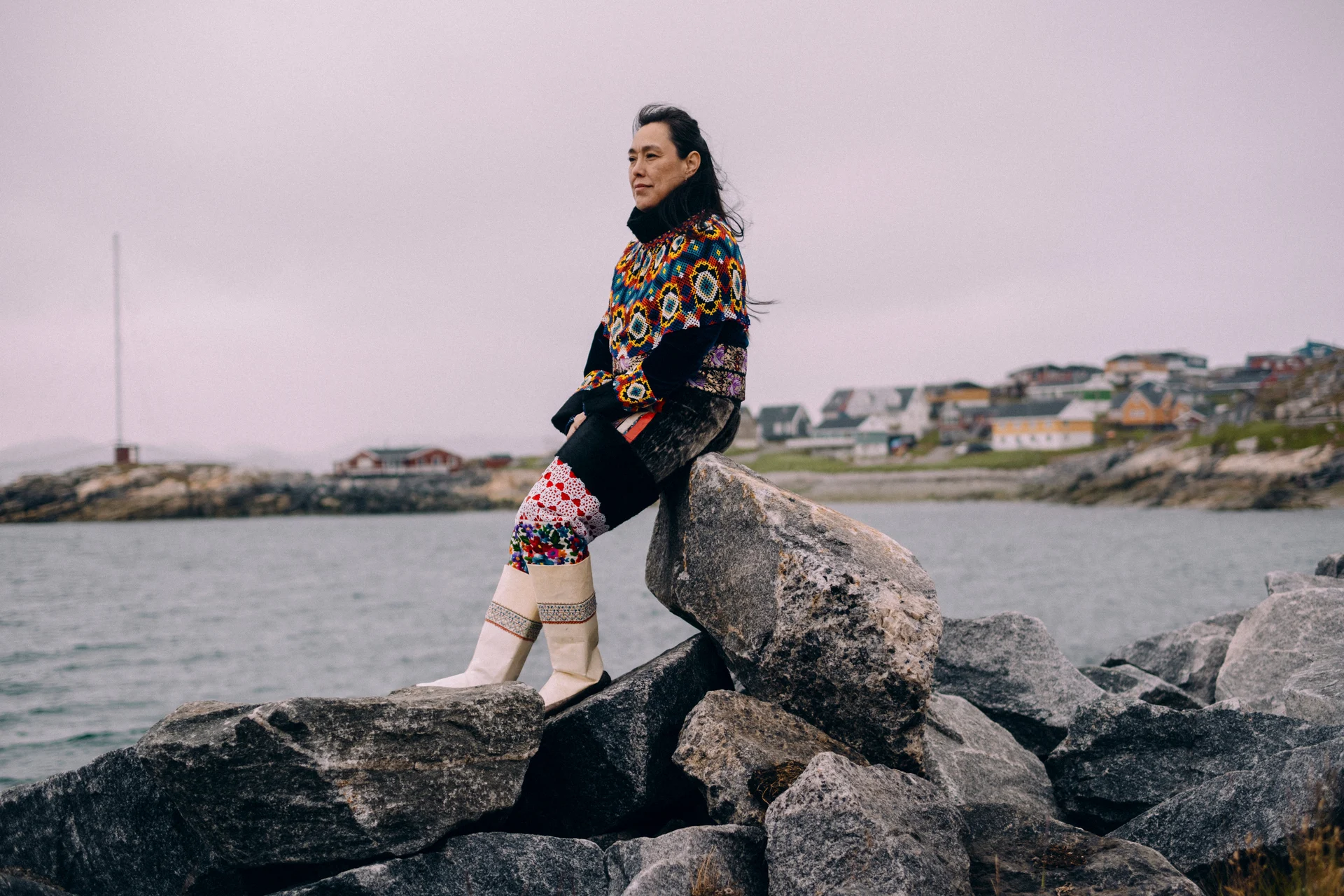

”Förr i tiden levde människor i gemenskap. Om de var ute och jagade delades maten mellan alla. Ataatsimoorneq betyder mycket för mig, för i slutändan är vi en enda gemenskap.”
I Sara-Maries verkstad tar den idén praktisk form. En söm förstärks, en pärla byts ut, ett plagg återförs till bruk. Genom underhåll förblir klänningen en del av vardagen istället för en symbol som tagits ur bruk. ”Ju mer jag förstår det, desto mer lär jag mig om gamla grönländska levnadssätt”, säger hon. ”Jag känner mig stolt över att kunna göra det.”
Identitetens väv
I det arbete som människor som Sara-Marie utför blir de värden tydliga som har varit och fortsätter att vara en stöttepelare för de grönländska samhällena. Genom de traditionella sömnadsmetoderna blir varje plagg en metafor för hur man väver samman dåtid och nutid, och knyter människor till traditionerna och till varandra. Det påminner oss om att vår identitet är oskiljaktigt förbunden med hur vi samlas, tar hand om varandra och för vårt arv vidare. ”Kalaallisuut är mycket betydelsefullt för oss som människor, för vår identitet som människor. Det lever redan inom oss, i våra hjärtan, och det är därför det betyder så mycket.”