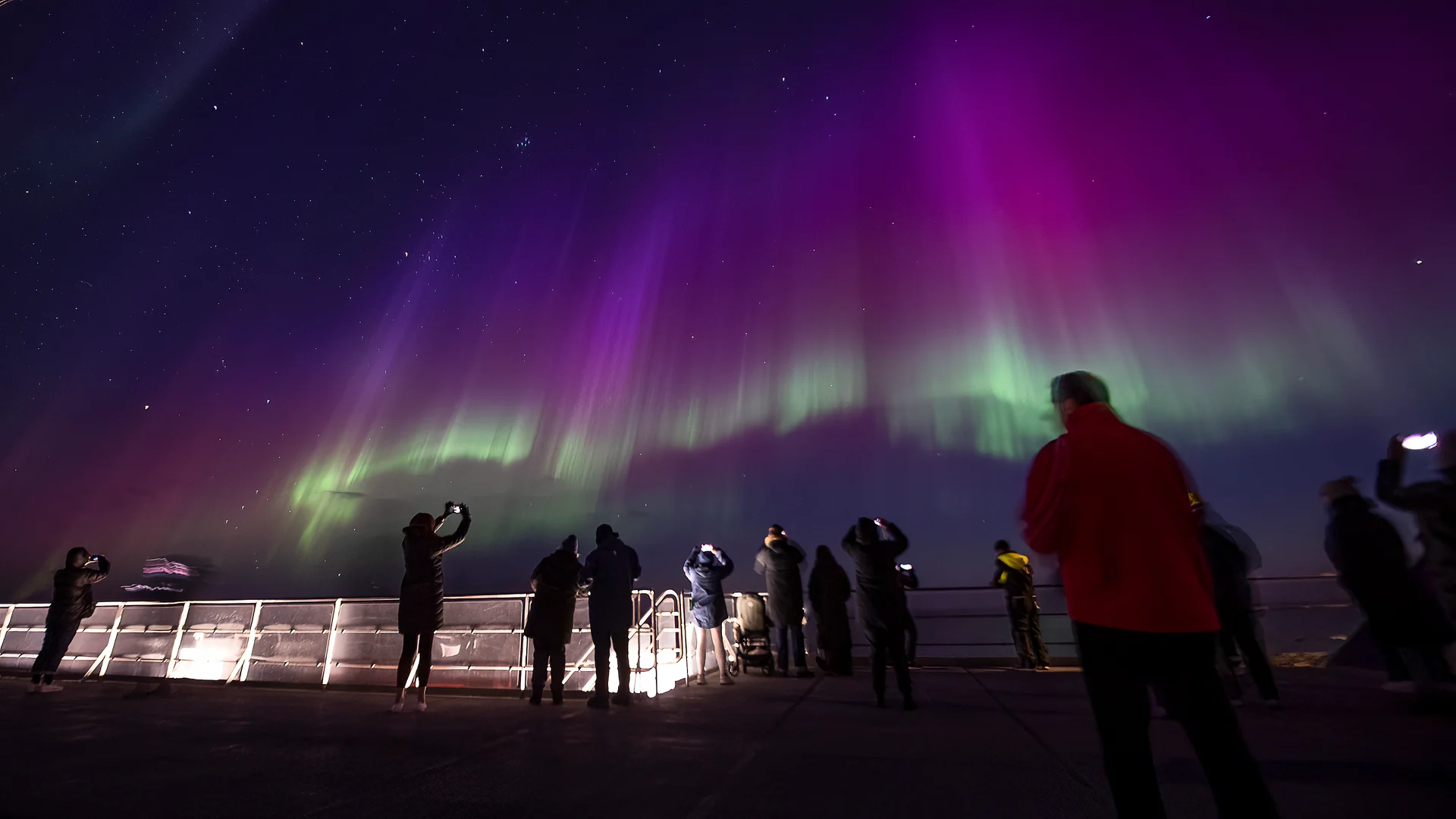
Citizen Science Projects
Turn your observations in some of the world's most remote regions into meaningful contributions to scientific research.
See the World and Help Science Understand It
Science used to be something that happened in laboratories, behind closed doors, by people in white coats. Not any more.
Around the world, people are contributing observations and data that help scientists build a better understanding of wildlife, biodiversity, and our changing planet. Citizen science gives you the chance to be part of that – turning what you see and discover during your expedition into information that contributes to long-term research.
At HX, citizen science is one part of our wider Science & Education Programme. Alongside supporting researchers and scientific institutions by providing access to remote regions, we create opportunities for you to engage with the science behind the destinations we explore.
Some of the wildlife you'll encounter is endangered, and the data you help collect – from whale sightings to bird records – feeds directly into research that informs conservation policy and protects species for the future.
Depending on your voyage, you might photograph whales for Happywhale, record seabirds for the Southern Ocean Seabird Surveys, count penguins with Penguin Watch, observe clouds for NASA's GLOBE Observer, or measure ocean clarity with a Secchi disk. Speak to a member of your Expedition Team to find out which projects are active on your voyage.
How We Bring Citizen Science On Board
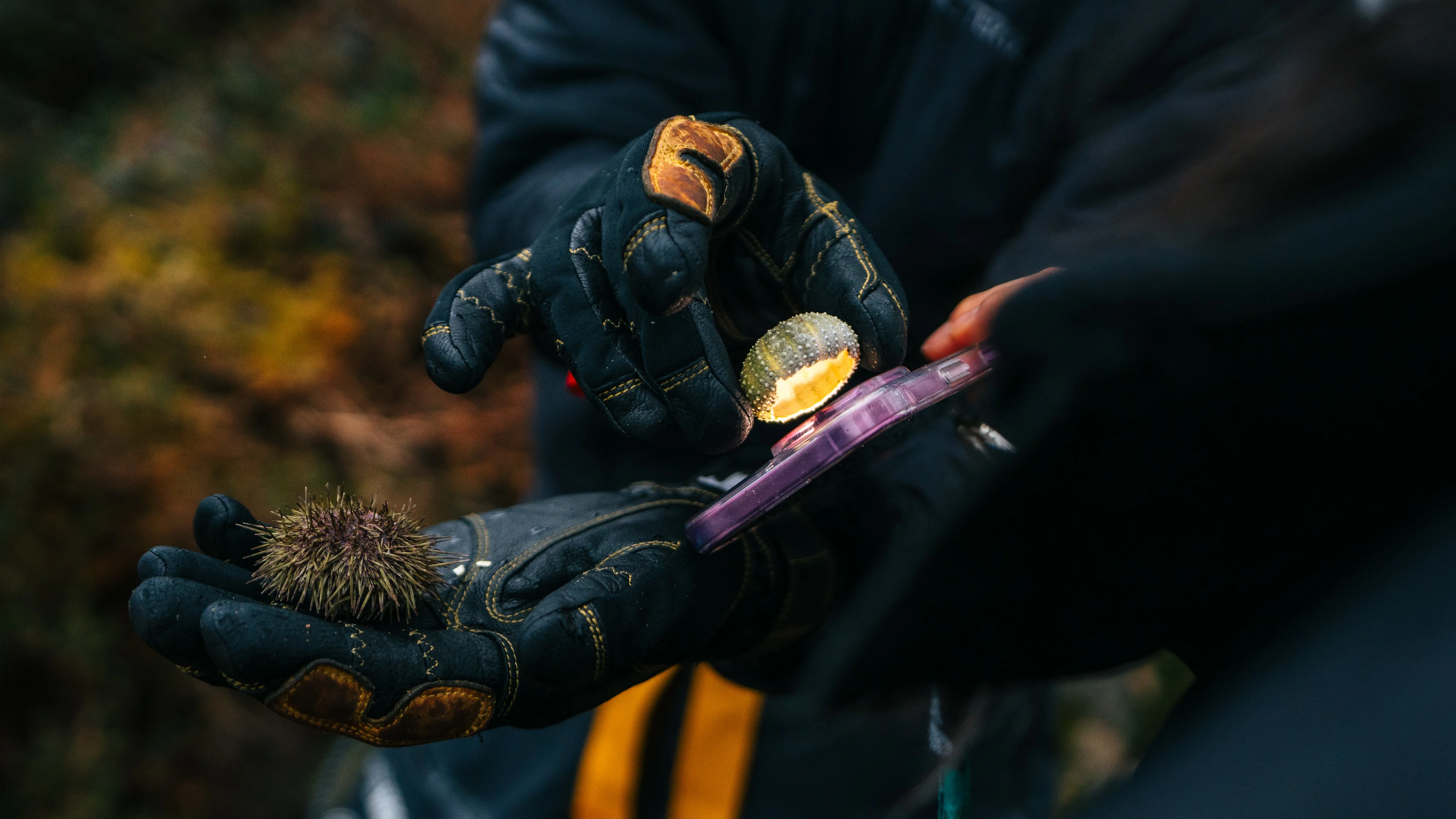
From exploring water samples in Antarctica to taking Secchi disk measurements in Svalbard, science can bring you closer to the places you visit and reveal a world you might otherwise never see.
Through our Science & Education Programme, we partner with global scientists and research organisations, supporting research in remote regions while creating opportunities for you to engage with the science behind the places we explore.
Depending on your voyage, you might meet scientists working on board, explore samples in the Science Centre, take part in hands-on activities, and contribute to citizen science projects – each one adding to our understanding of how these ecosystems are changing, and what we can do to help protect them.

Discover below some of the research, collaborations and projects we support.
Wildlife and Marine Life
From whales crossing oceans to penguins clustering on Antarctic ice, these projects focus on the wildlife we encounter and the marine ecosystems that sustain them.

Happywhale
Destination(s) | All
Follow whales around the world with Happywhale
Happywhale uses photographs contributed by people around the world to identify individual whales from the unique markings on their flukes. These observations help researchers track whale movements, migrations and populations across the world's oceans.
Penguin Watch
Destination(s) | Antarctica/Southern Ocean
Count penguins and help turn images into data
Penguin Watch uses time-lapse cameras to study penguin colonies across Antarctica and the Southern Ocean. Help examine images and count penguins, transforming photographs into data that scientists use to study population trends and changes within colonies over time.
PolarTag
Destination(s) | Antarctica, Arctic, Iceland
Spot a tag and help tell an animal's story
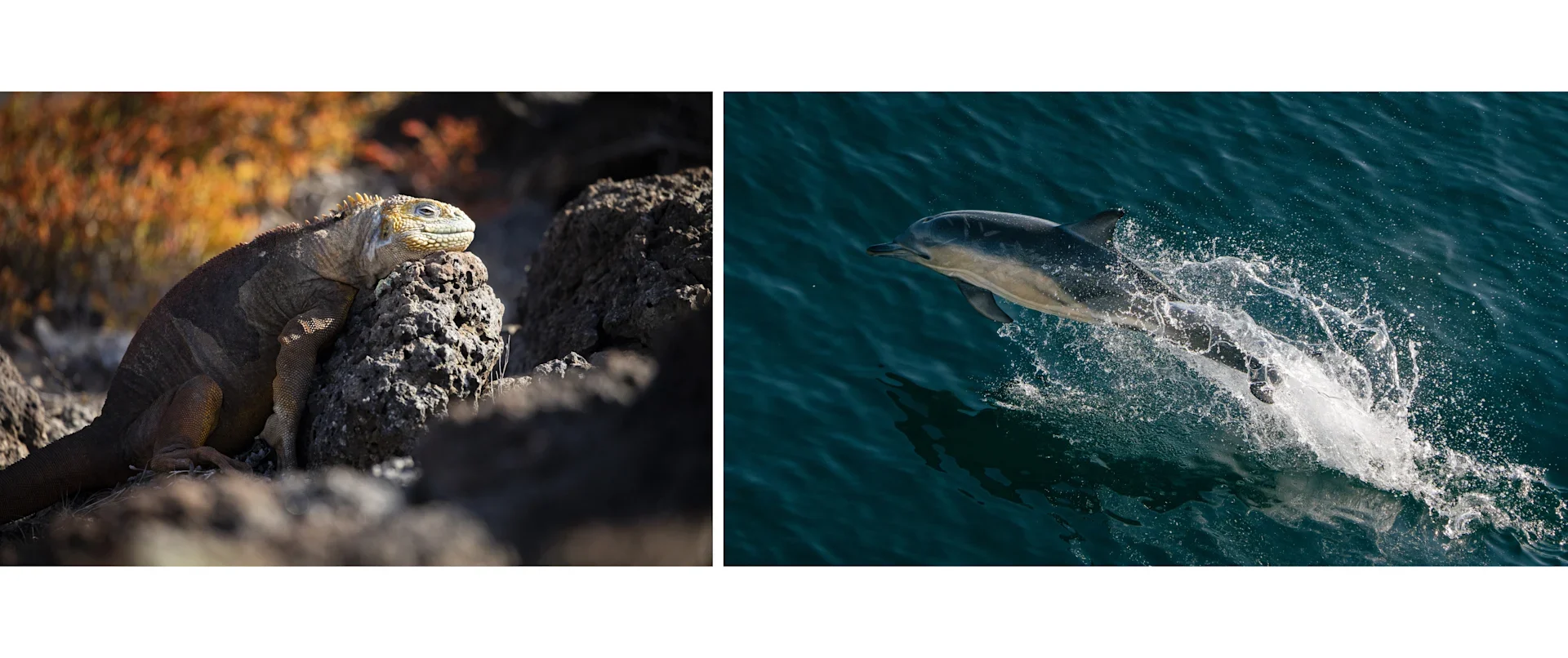
PolarTag invites people travelling in the Arctic and Antarctica to photograph and report sightings of tagged wildlife. If you spot a tag or marker on an animal, your observation could provide researchers with another valuable piece of its story.
Secchi Disk Study
Destination(s) | All
Look beneath the surface
A Secchi disk measures water clarity by lowering it into the ocean and recording the depth at which it disappears from view. This measurement helps scientists map phytoplankton abundance and understand the impact of climate change on our oceans.
South Georgia Big Seaweed Search
Destination(s) | South Georgia
Search the shorelines for seaweed
Look closely along South Georgia's shores and you'll discover an often-overlooked world that plays an important role in the island's marine ecosystem. This project studies the diversity and distribution of South Georgia's seaweeds and helps researchers detect changes from ocean warming, acidification and invasive species.
eBird
Destination(s) | All
Turn every bird sighting into data with eBird
Developed by the Cornell Lab of Ornithology, eBird transforms bird sightings into data used by scientists to understand distribution and how populations are changing. Each contribution adds to a global dataset supporting research, conservation, and education.
iNaturalist
Destination(s) | All
Turn what you discover into biodiversity data
From the California Academy of Sciences and the National Geographic Society, iNaturalist brings together biodiversity observations from around the world. Every contribution adds to a growing global record of life on our planet.
Southern Ocean Seabird Surveys
Destination(s) | Antarctica/Southern Ocean
Become an ocean observer
Launched in 2015, the project invites citizen scientists to record seabirds during ocean crossings, helping fill key gaps in our understanding of how they use ocean habitats, how remote species are faring, and how they're affected by changes in the Southern Ocean.
Sky and Atmosphere
From the Northern Lights dancing above Norway to the clouds drifting over remote polar seas, these projects look upward to understand the atmosphere and the forces shaping our planet.

Aurorasaurus
Destination(s) | Norway (winter), Arctic (late season)
Help map the aurora with Aurorasaurus
Aurorasaurus is a citizen science project that brings together aurora sightings submitted by people on the ground. By recording what you see, where and when, you contribute valuable observations that help improve our understanding of the aurora in real time.
NASA's GLOBE Cloud Observer
Destination(s) | All
Observe our planet with NASA's GLOBE Observer
NASA's GLOBE Observer invites you to photograph clouds and record sky conditions from the ground. These observations help scientists interpret and validate satellite data, building a more complete picture of what is happening in our atmosphere.