Go from Explorer to Contributor
Your expedition is an opportunity to do more than observe. Through our Science & Education Programme, you can actively contribute to our understanding of the places you explore.
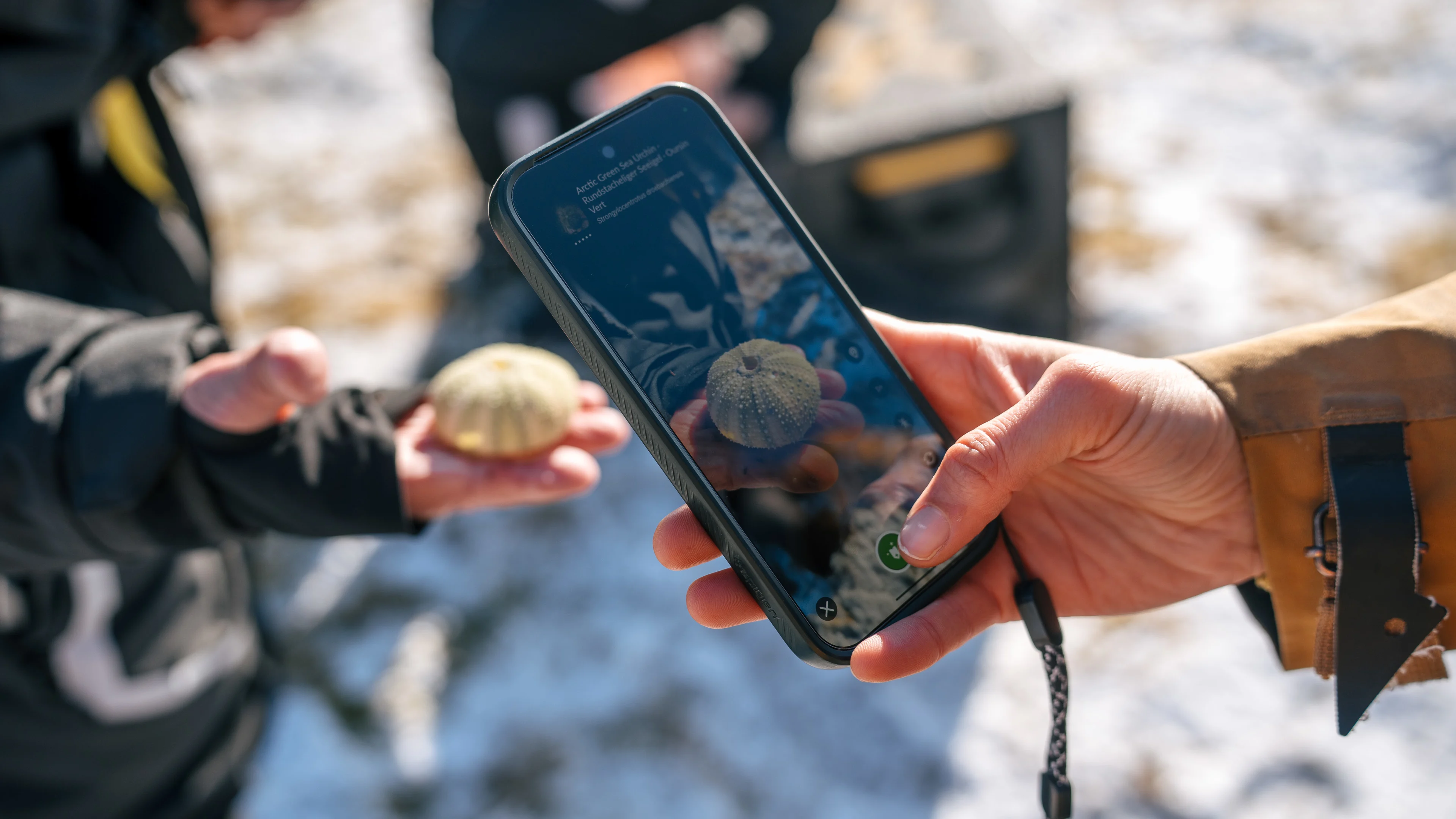
Your expedition is an opportunity to do more than observe. Through our Science & Education Programme, you can actively contribute to our understanding of the places you explore – and to the efforts to protect them.
Citizen science is one of the ways to get involved. With just your smartphone and a few easy-to-use apps, your observations of wildlife and the natural world can become valuable data for scientists and global research projects. Some of the wildlife you'll encounter may be endangered, and the data you help collect contributes to research that informs conservation. Get started before you travel, then put your curiosity to work throughout your expedition.
Get ready before you travel
A little preparation before your expedition means you can start exploring and contributing from day one. Our ships offer Wi-Fi on board, but we travel to some of the most remote places on the planet, where connectivity can be patchy at best.
Before you travel, we recommend downloading a few of the apps used as part of our Science & Education Programme. They'll let you record and share your own observations, contribute data to citizen science projects, and even follow what happens to your contributions – from identifying plants and wildlife to discovering whether a whale you photographed has been seen before.
Count sharks in the Galápagos
Using the Shark Count Galápagos app, you can record the sharks, rays, sea turtles, and other key marine species you encounter while exploring the archipelago. Your observations contribute to a growing citizen science dataset that helps researchers better understand the distribution and abundance of these animals across the Galápagos Marine Reserve.
The app also helps you identify what you see, turning each encounter into an opportunity to learn more about the remarkable marine ecosystem you are exploring.

Follow the journey of a whale
Happywhale uses photographs to identify individual whales from the unique markings on their tails and fins, then tracks their movements over time. Your whale photographs can help scientists understand the lives and movements of whales around the world.
There's no app to download – Happywhale is web-based, so you simply take your photographs during your expedition and upload them when you have an internet connection.
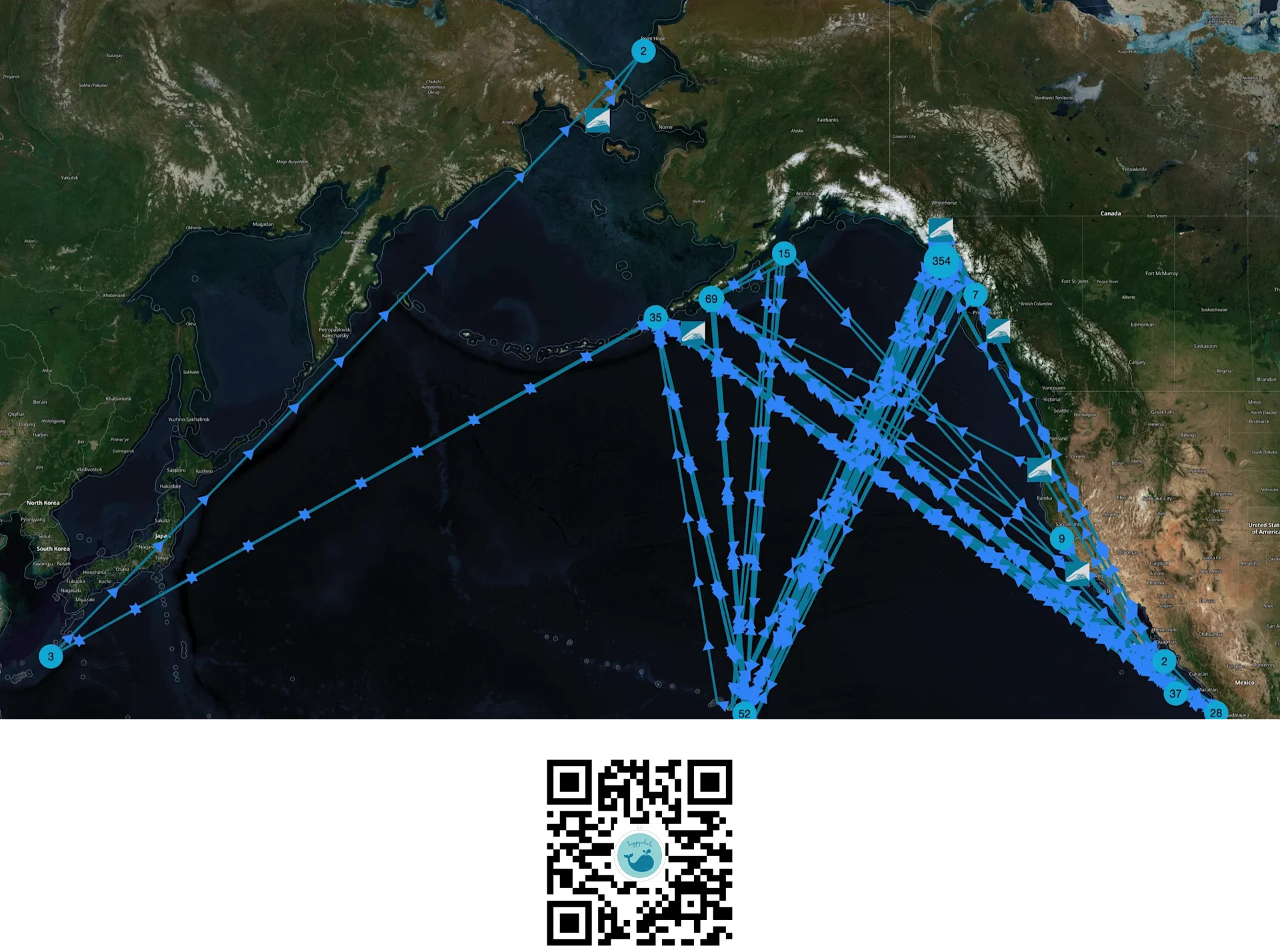
Follow a Whale's Journey
Happywhale uses citizen photographs to identify individual whales and understand their lives and movements around the world. Simply take your photographs during your expedition and upload them to the Happywhale website.
You may discover that the whale you photographed has been seen before, and find out where its journey has taken it. At the same time, your contribution becomes part of a growing global dataset helping researchers better understand whale populations, movements and migrations.
Spot and contribute with ORCA
Every whale or dolphin sighting can add to our understanding of where these animals are found and how their distributions are changing.
With the ORCA OceanWatchers app, you can identify and record the whales and dolphins you encounter during your expedition and contribute your sightings to their growing dataset. Our collaboration with ORCA also extends beyond guest participation, supporting dedicated surveys and scientific monitoring in the regions we explore.

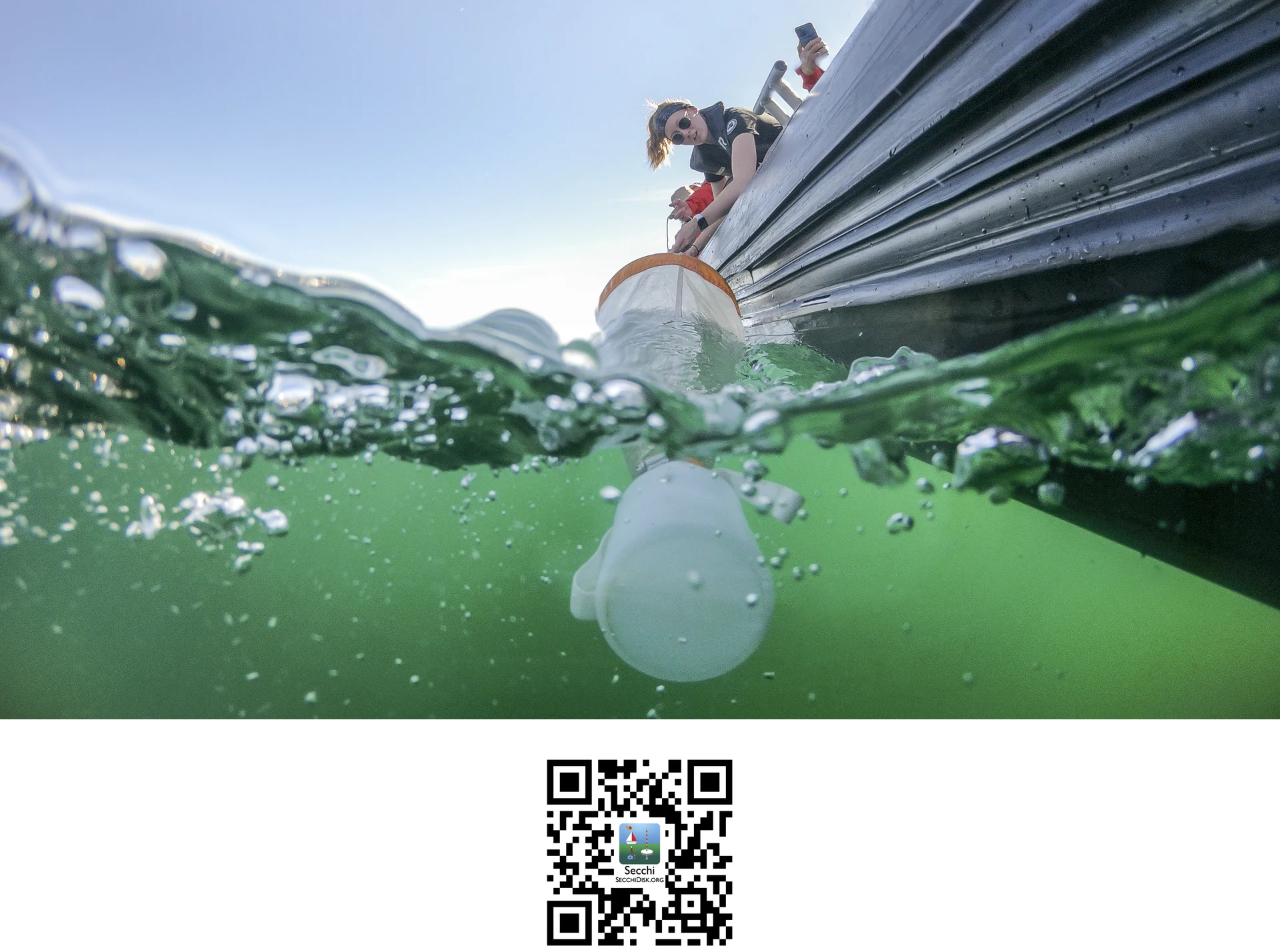
Secchi Disk Study
The Secchi Disk Study is a global citizen science project investigating phytoplankton – the microscopic organisms that form the foundation of marine food webs and play an important role in the ocean's carbon cycle. By lowering a Secchi disk into the water and recording the depth at which it disappears from view, you can help measure water clarity and provide information related to phytoplankton abundance. During selected HX expeditions, you can work alongside our Expedition Team to take Secchi disk measurements and contribute to this long-term dataset.
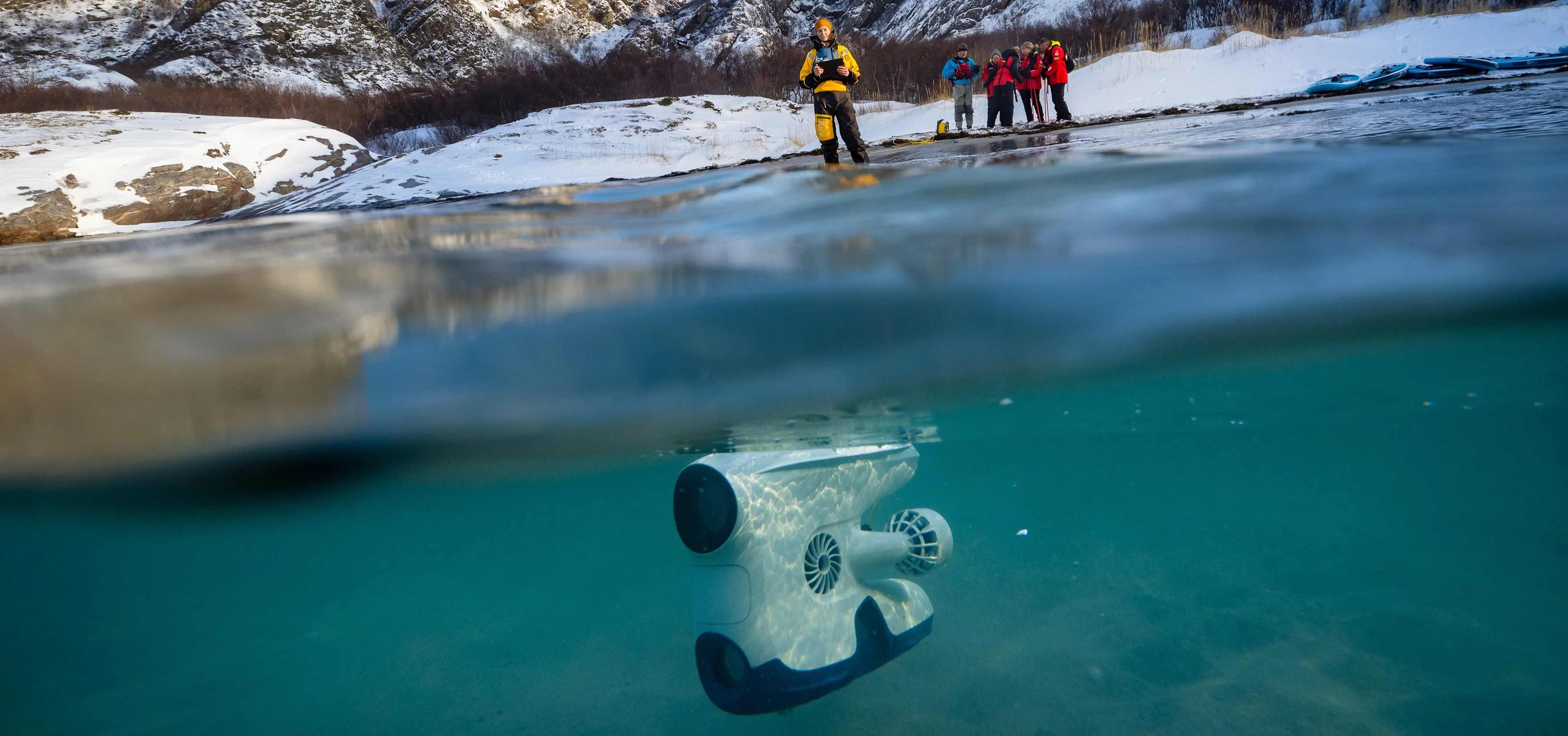
Your Birds, Real Data
Use Merlin Bird ID to help identify the birds you see and hear, then record your observations through eBird to contribute them to this global scientific dataset. Your sightings are saved to your personal eBird profile, creating your own record of the species and places you discover along the way.
Merlin and eBird work hand in hand: the observations feed into the same database, making it easy to move from identification to contribution.

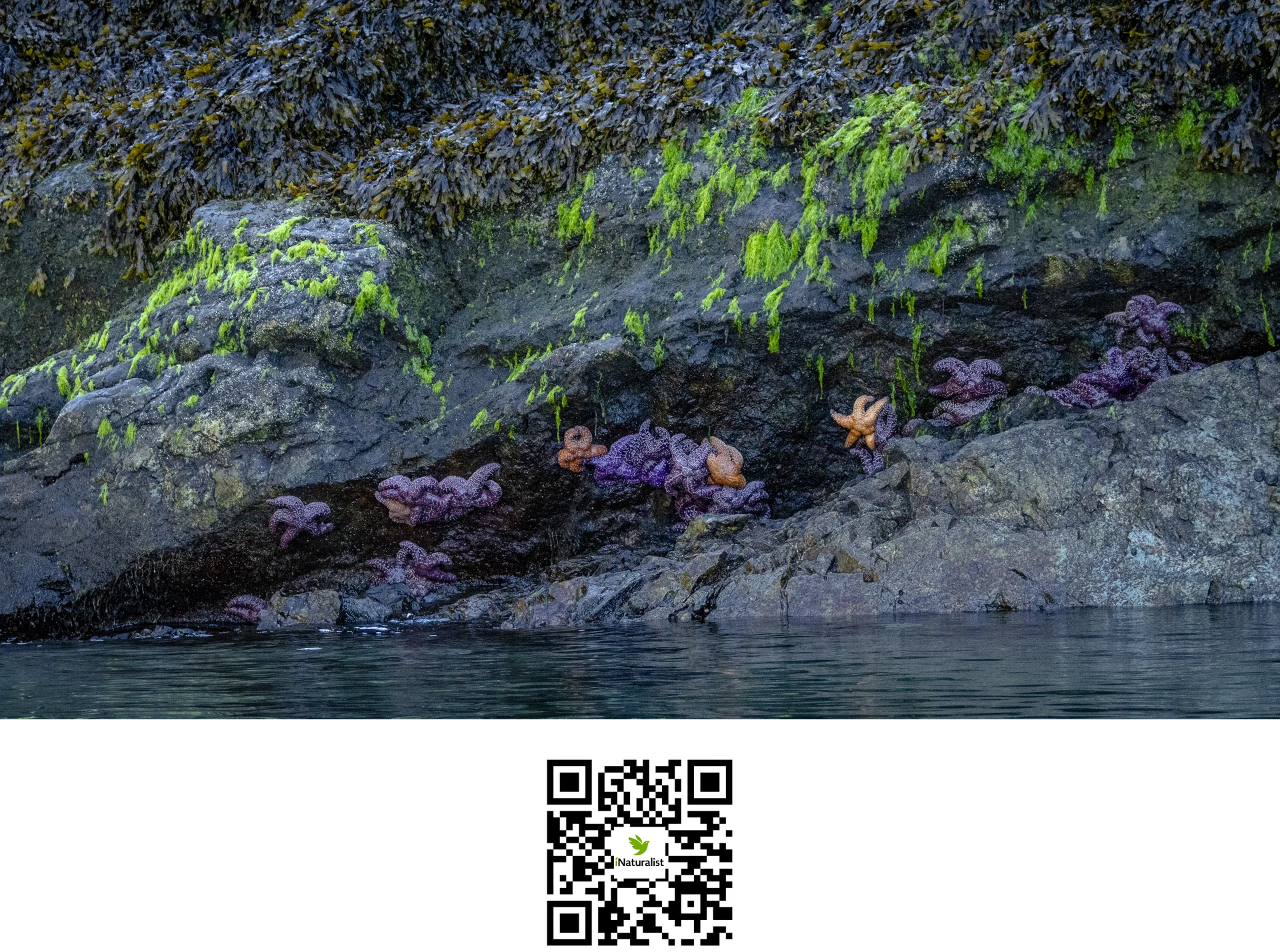
Discoveries Into Biodiversity Data
From plants and fungi to insects and wildlife, every observation can help build a better picture of biodiversity around the world. Use Seek by iNaturalist to identify the species you encounter as you explore. When you're ready to contribute, use iNaturalist to record and share your observations with a global community of naturalists and scientists. Your observations can become valuable biodiversity data, helping researchers better understand where species occur and how ecosystems are changing.
Be the Eyes on the Ground
With NASA’s GLOBE Observer, your observations can help scientists better understand our planet from both above and below. Photograph clouds and record sky conditions during your expedition, contributing ground-based observations that complement data collected by satellites. By taking part, you join a global community contributing environmental observations from across more than 120 countries.

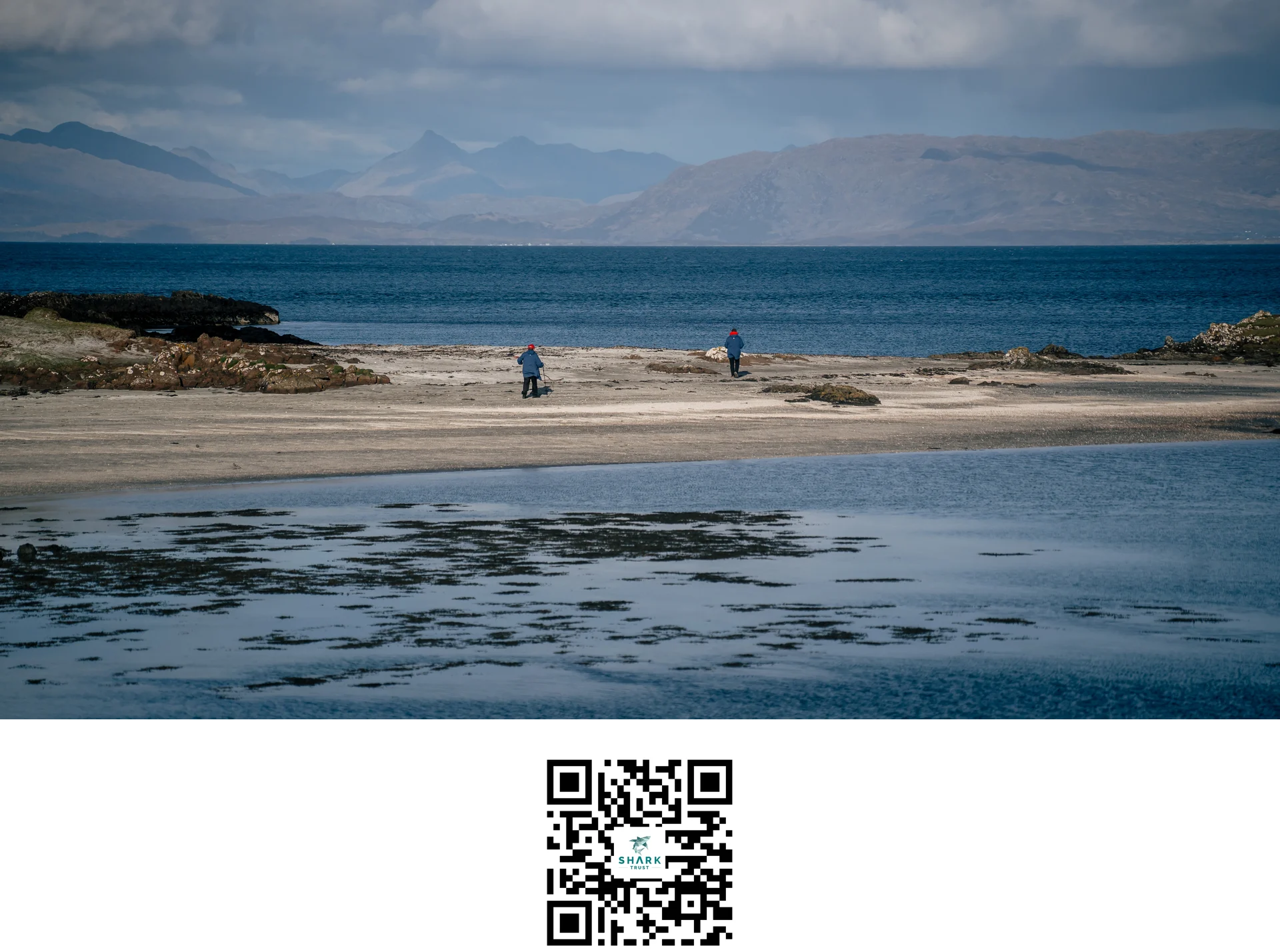
Hunt for Mermaid's Purses
The Shark Trust’s Great Eggcase Hunt invites you to search for the empty eggcases of sharks, skates and rays, often known as mermaid’s purses, along shorelines and beaches.
These records help build a picture of where egg-laying sharks, skates and rays are reproducing, providing valuable information that can support our understanding and conservation of these species.