Happywhale: Every whale has a story to tell
Happywhale, a global Citizen Science project, was established in 2015 to record whale sightings and build a better understanding of these magnificent creatures.
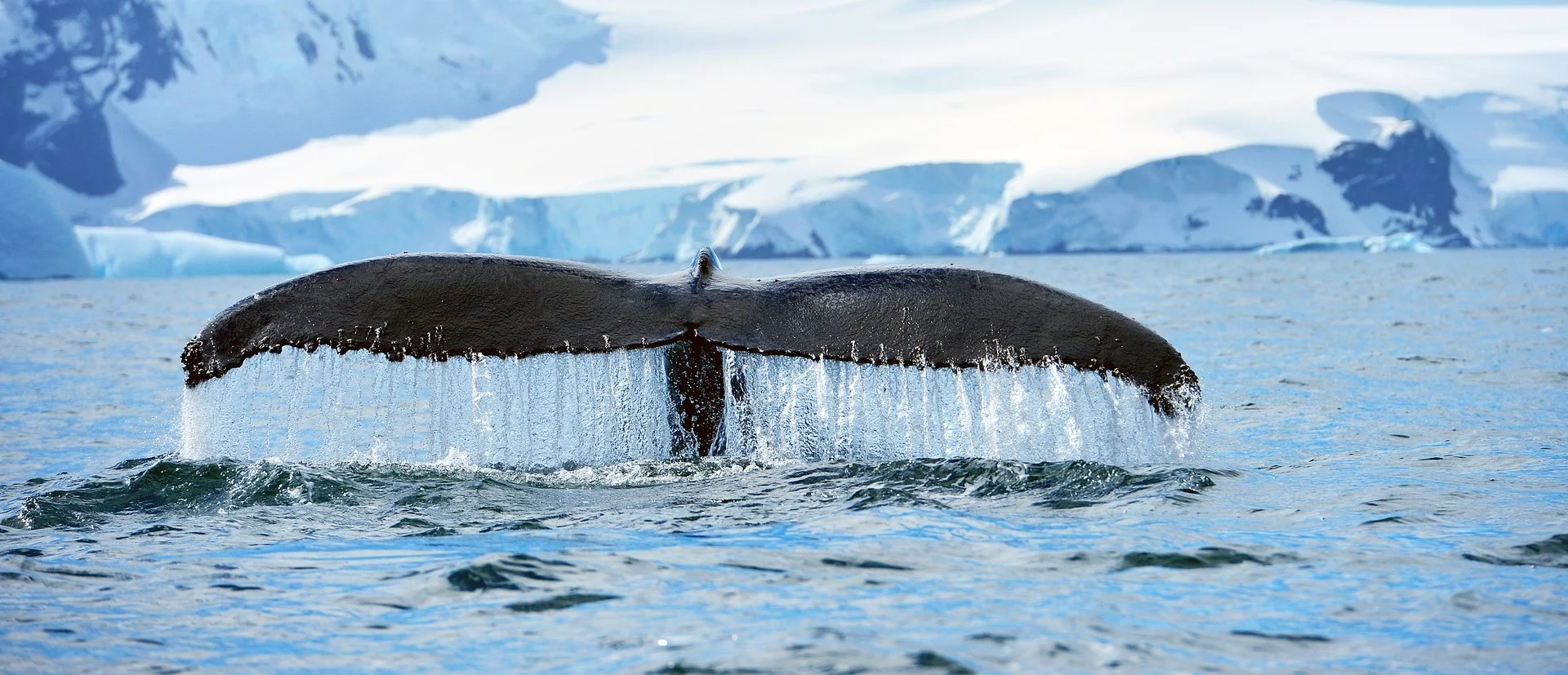
A photograph of a whale tail might look like a souvenir. To a scientist, it's a data point. To the whale, it's a chapter in a life story that could span decades and oceans. HX has been contributing whale observations to Happywhale since the citizen science platform was formally established in 2015. Today, Happywhale connects researchers, expedition travellers, and wildlife enthusiasts around the world, using photographs to identify individual whales and track their movements across the oceans. Several of the species we encounter are endangered or recovering from commercial whaling – and every photograph that helps tell their story also helps protect their future. Through this long-standing collaboration, HX guests can turn memorable wildlife encounters into valuable scientific observations – and discover more about the lives of the animals they encounter.
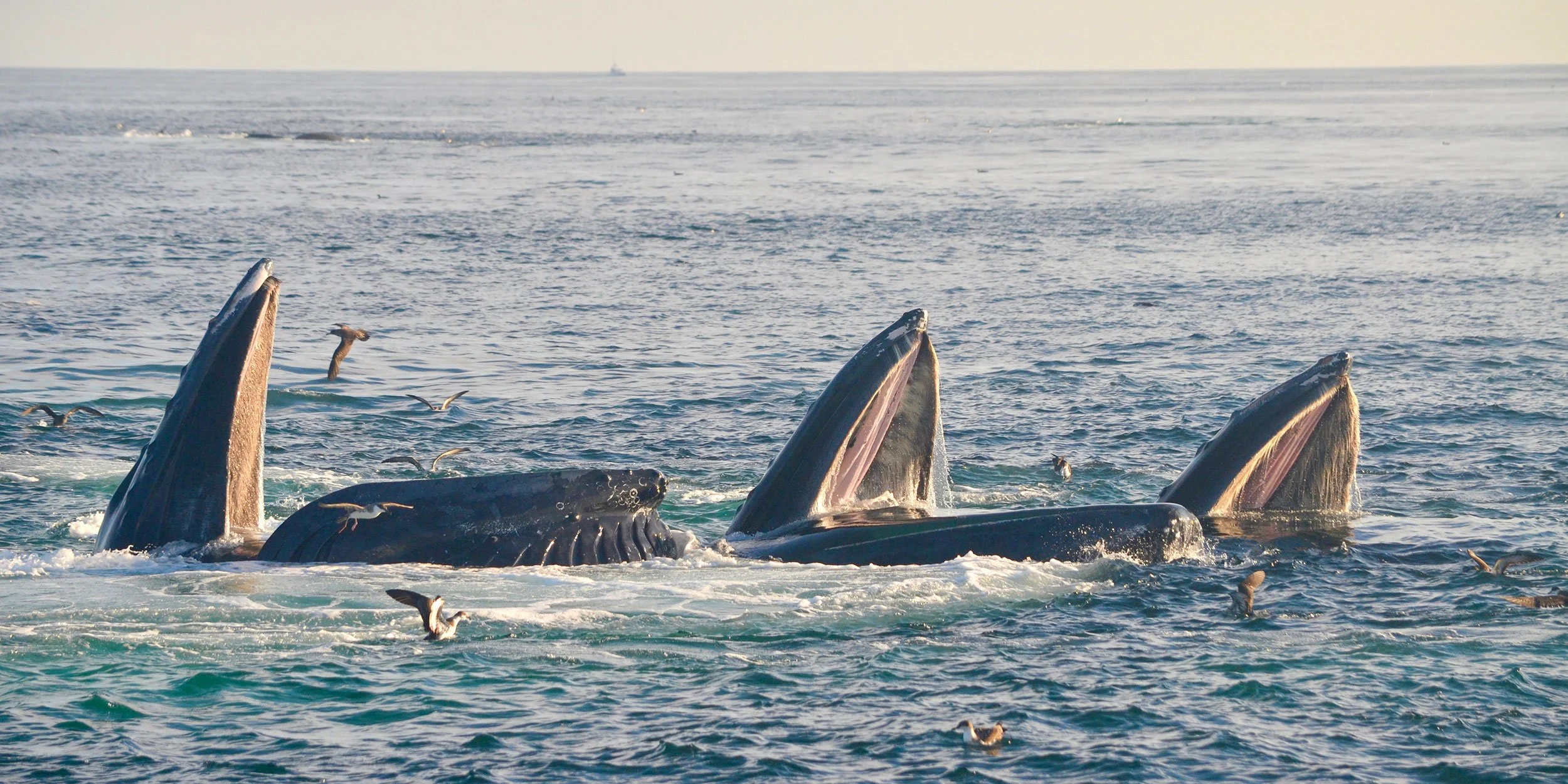
Happywhale: Connecting encounters across the oceans
Every humpback whale carries a unique pattern on the underside of its tail – a fingerprint as individual as yours. Happywhale uses photographs from people around the world to identify individual whales from those markings and piece together their stories. A whale photographed feeding in Antarctica might next appear thousands of kilometres away in tropical breeding waters. By connecting these encounters across years and oceans, researchers can track migration routes, habitat use, population movements, and the slow recovery of whale populations following decades of commercial whaling. Understanding where these endangered animals go – and when – is essential to protecting them.

"I want people to feel a relationship with these animals. When you know a whale by name, when you've seen its story, you care about what happens to it."
— Ted Cheeseman, Co-founder, Happywhale
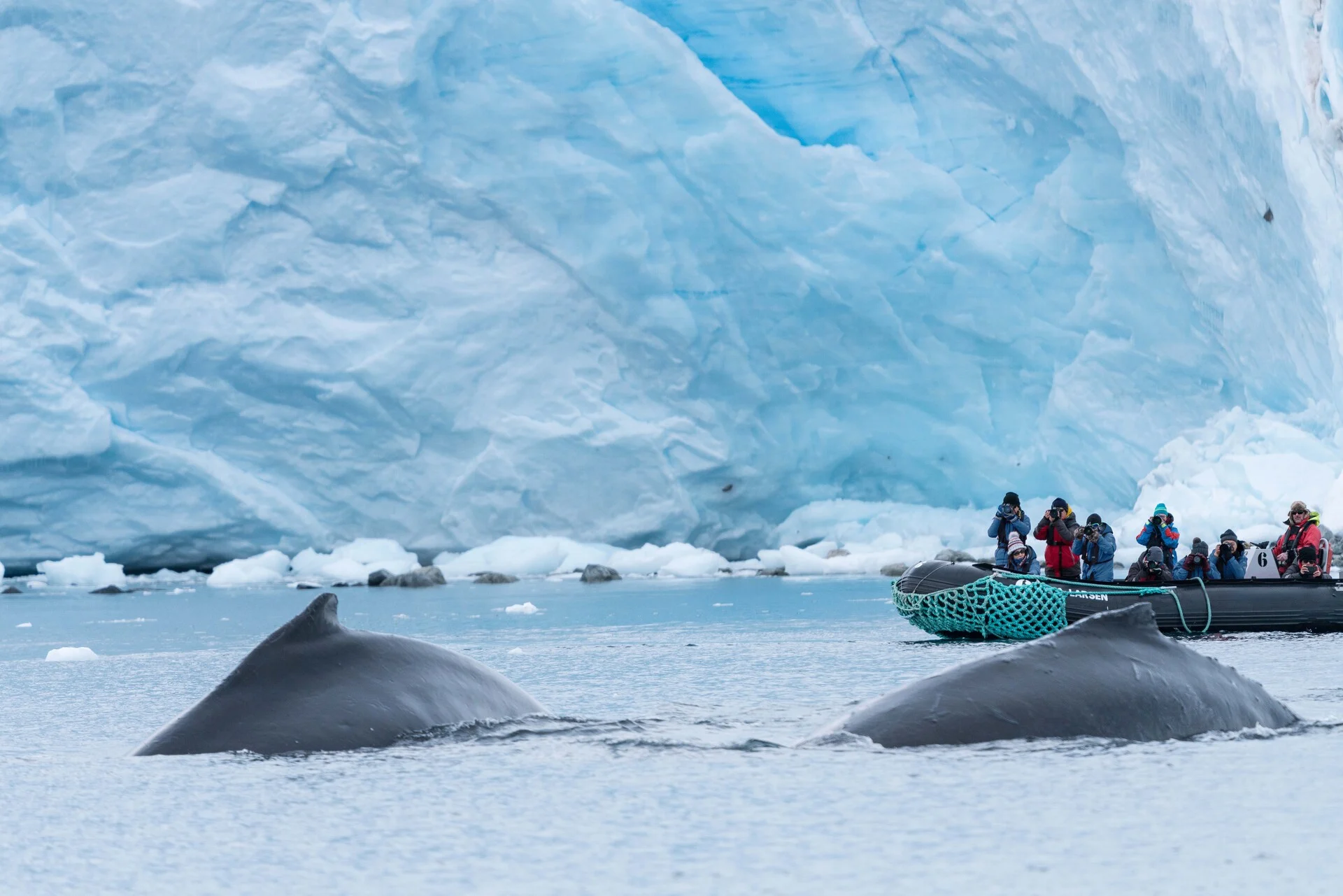
From a memorable encounter to a scientific contribution
For HX guests, Happywhale offers a simple but meaningful way to become part of the research. During expeditions, particularly in the polar regions, guests are encouraged to photograph whales and submit their images to the platform – contributing observations from some of the world's most remote marine environments. With guidance from our Expedition Teams, guests learn how individual whales can be recognised and why photographic identification matters. A single encounter can reveal that a whale has been seen before – perhaps on another HX voyage, perhaps thousands of kilometres away. Each photograph adds another piece to its story. "HX voyages have proven to be excellent sources of citizen science data; we anticipate this project to use AI for marine science communication will enrich the experience of travelers, empower HX guides in the field, and prove to deliver rich insight for our whale science work in polar regions." – Ted Cheeseman, Co-founder, Happywhale
Get involved with Happywhale
Through its long-standing collaboration with Happywhale, HX supports whale research by contributing photographs and sightings collected during expeditions, helping scientists identify individual animals and track their movements, while guests can explore the observations recorded on HX voyages and discover the stories behind the whales encountered.


Key Stats
Individuals encountered | 87,572
Furthest distance travelled | 11,261km
Longest time between sightings | 43 Years
Recorded sightings | 208,500
Most encountered species | humpback whales (238,883)
*Correct as of March'23
Meet Flame
Flame (Juneau), a female Humpback whale is currently the most sighted whale across Happywhale. First spotted in July 2004, Flame has since been spotted 356 more times between Alaska and Honolulu, Hawaii. In the 18 years since she was first sighted in Alaska, she is known to have given birth to at least 6 calves, the most recent in 2022.
Not just Whales
Since starting in 2015, Happywhale has received thousands of images of whales in all four corners of the globe. But quickly they began to get images of a whole host of different marine life including dolphins, porpoises, and even seals. Knowing the importance of this data to scientists around the world, they adapted the platform to build profiles on a wide range of other marine wildlife.


