HX, AWI, GEOMAR & Hereon: Turning expedition ships into ocean observatories
Discover how HX, AWI, GEOMAR and Hereon are turning expedition ships into ocean observatories, filling critical gaps in global ocean monitoring.
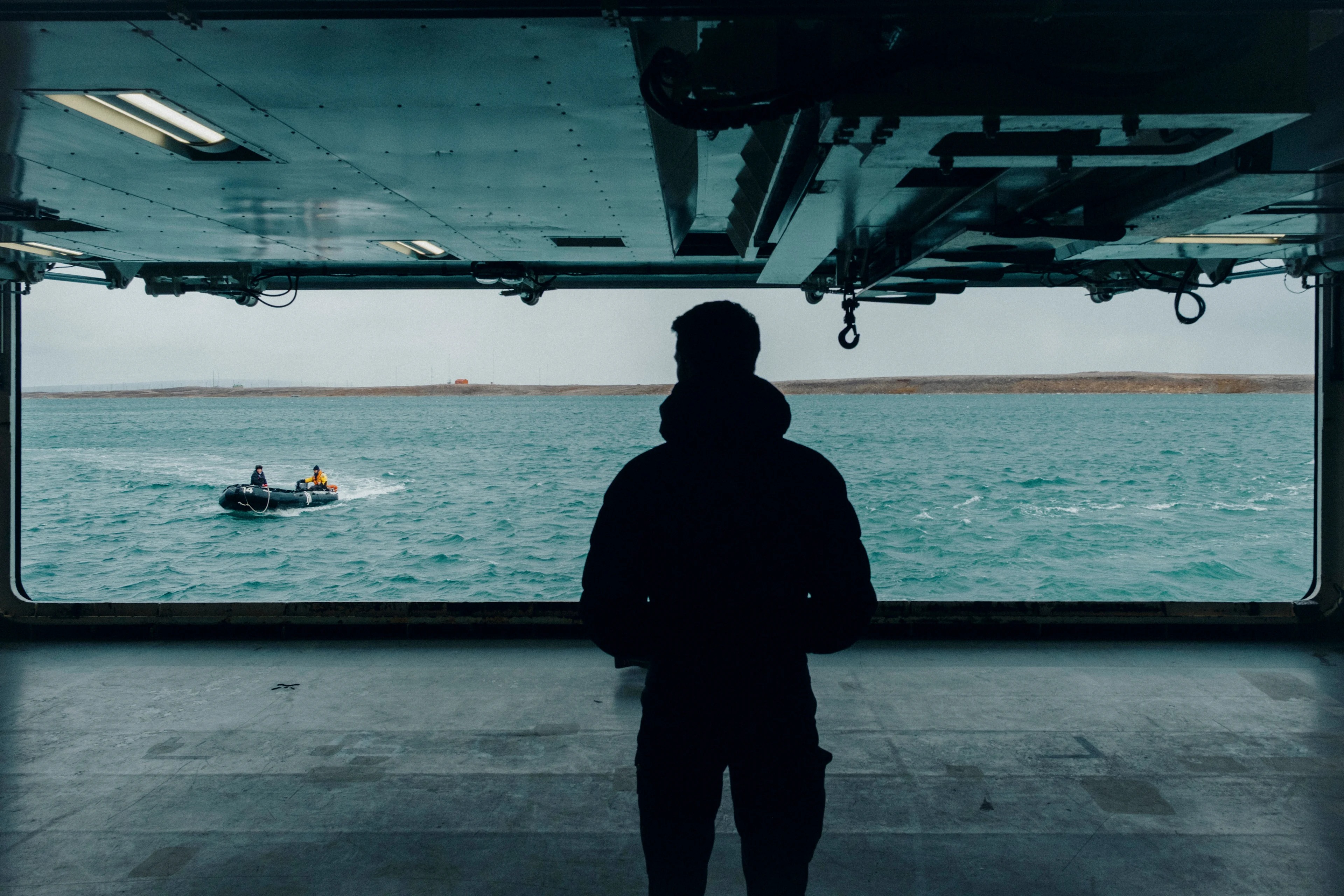
Since 2024, HX has been working with the Alfred Wegener Institute (AWI), GEOMAR Helmholtz Centre for Ocean Research Kiel and Helmholtz-Zentrum Hereon to explore how expedition ships can help fill important gaps in ocean observation.
Scientific instruments were first installed on board MS Fridtjof Nansen during her voyage from Hamburg to Reykjavik in May 2024, with measurements beginning immediately around Iceland and later continuing into Greenlandic waters. Since then, the collaboration has expanded across both polar regions, using the regular routes of HX ships to collect environmental data
SOOP: Shaping an Ocean of Possibilities
At the heart of the collaboration is SOOP - Shaping an Ocean of Possibilities - a platform exploring how ships already travelling the world's oceans can become platforms for sustained scientific observation.
The first HX deployment, TIDAL-HX01, began in May 2024 as MS Fridtjof Nansen travelled through Icelandic and Greenlandic waters.
Different systems were tested for collecting oceanographic, atmospheric, and biological information, including measurements of temperature, salinity, dissolved oxygen and CO2, as well as phytoplankton, environmental DNA, microplastics, and aeros.


From continuous observations to live science on board
The next stage of the collaboration is about moving from successful trials towards increasingly sustained ocean observation, and making the science more visible and meaningful to the people travelling through the environments being studied.
From 2026, GEOMAR's Ocean Observation System is becoming the backbone of continuous ocean measurements on board MS Fridtjof Nansen, collecting key information about the waters through which the ship travels. Further long-term atmospheric monitoring with AWI is planned, adding another layer of observations from regions where consistent measurements remain
At the same time, with support from the HX Foundation, AWI and GEOMAR are developing an onboard learning experience that will translate measurements from the ship into accessible, interactive content for guests. The aim is to make the invisible visible: allowing guests to explore what instruments are measuring in the ocean around them and understand how individual observations become part of a much bigger scientific picture.
As our ships travel repeatedly through remote ocean regions, they can do more than take us there. They can observe, measure and contribute, building knowledge for science while giving our guests a new way to understand the ocean beneath and around them.
“The voyage around Svalbard was a unique and unforgettable experience for me. It was a wonderful opportunity to share our scientific work with the guests and give them an insight into our research. I truly enjoyed taking water samples together with the guests and seeing their enthusiasm for science. The many warm encounters made the trip something really special for me.”
Inken Holthoff, AWI