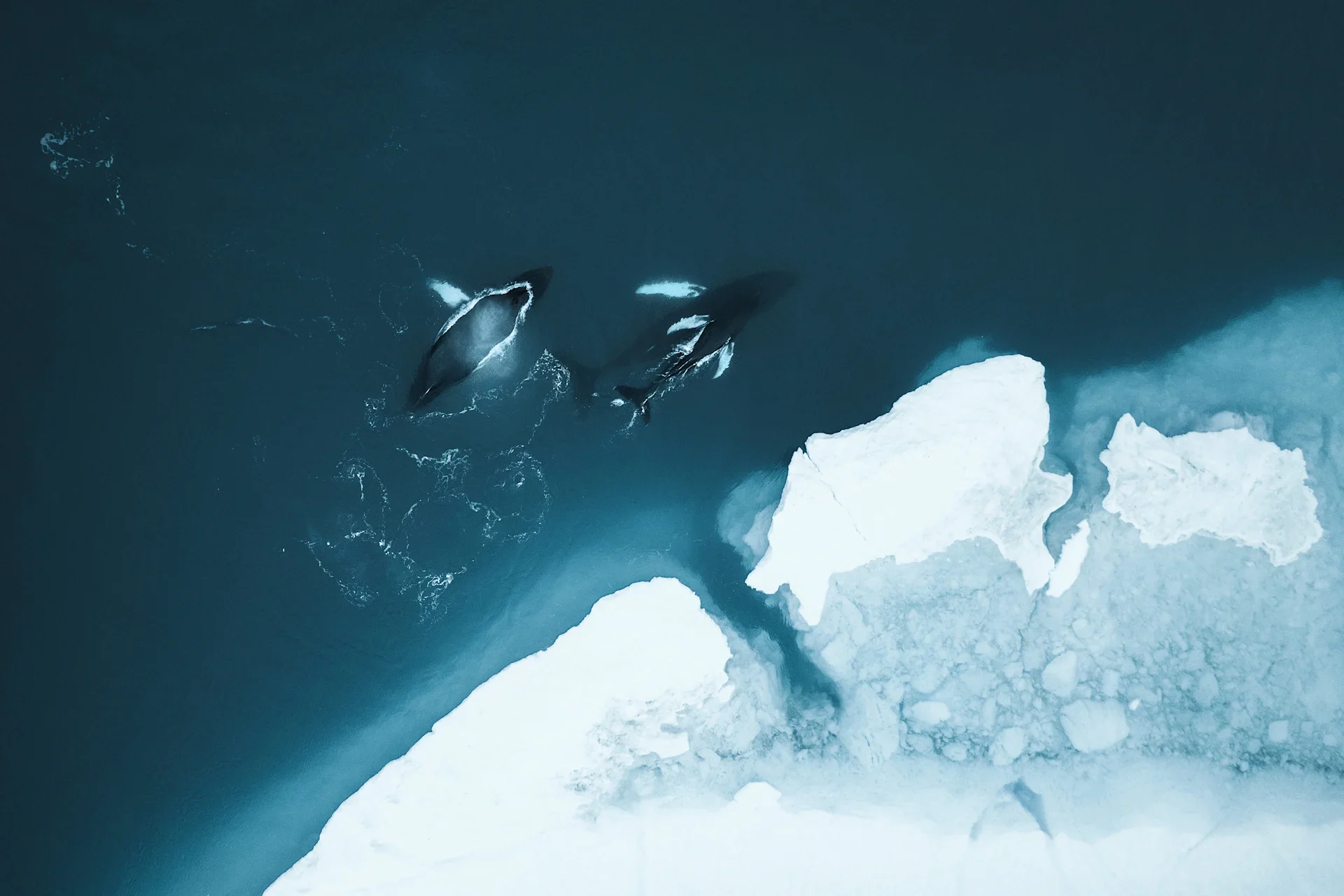
HX & Heriot-Watt University: Understanding whales in a changing ocean
The Arctic is changing faster than almost anywhere else on Earth. As sea ice retreats and shipping routes open, the waters that whales have relied on for millennia are becoming busier — and more dangerous.
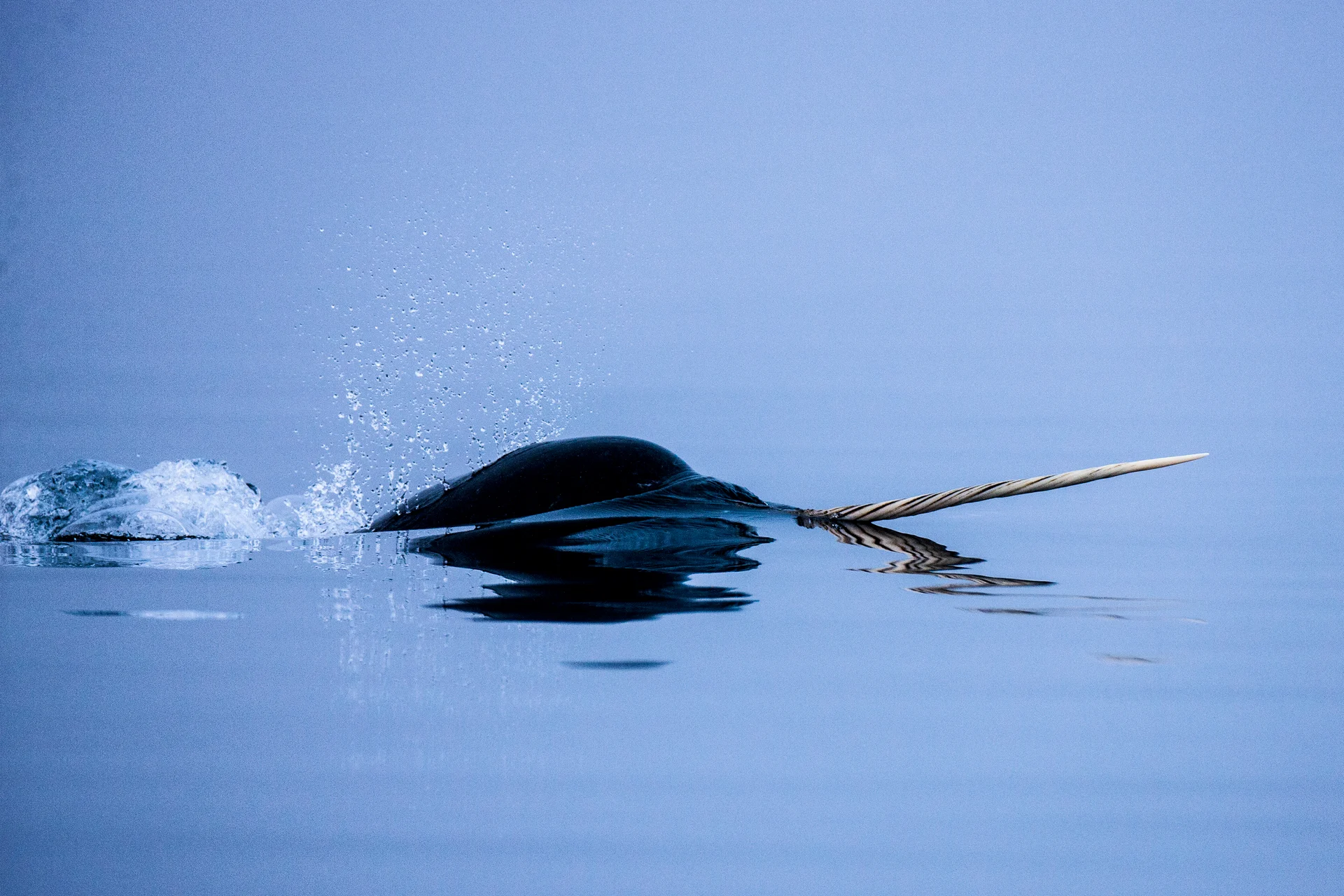
Narwhals, belugas, and bowhead whales are found nowhere else on Earth. They've evolved for a world of ice and silence — a world that's rapidly disappearing. Protecting them means understanding where they go, how they behave, and how they respond to the growing human presence in their waters. Since 2024, HX has partnered with Associate Professor Dr Lauren McWhinnie and the Whales and Arctic VEssels (WAVE) team from Heriot-Watt University to understand what that means for whales in the polar regions. What began as ship-based surveys in remote Arctic waters has evolved into a long-term collaboration combining science, technology, education, and opportunities to bring guests closer to the science happening around them.
"The hydrophones record continuously. However, they can only tell us if whales are present if they're vocalizing. So having citizen observations to complement our hydrophone data gives us a better overall picture of how often whales are using this area."
— Dr Lauren McWhinnie, Heriot-Watt University
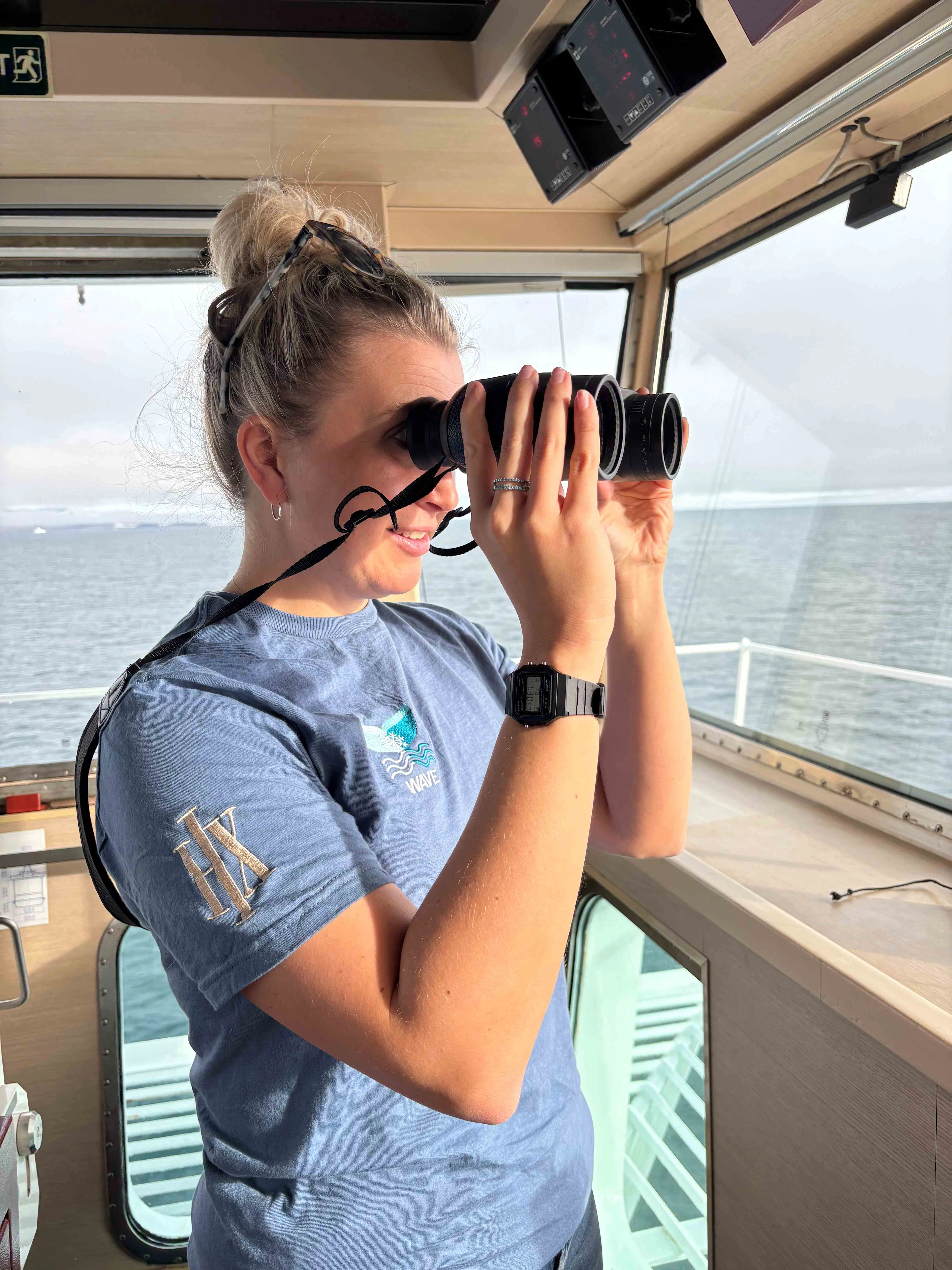
WAVE: Whales and Arctic Vessels
Led by Dr Lauren McWhinnie, the WAVE project uses HX expedition vessels as platforms for cetacean research across the Arctic. Researchers record which species are encountered, where and when, their behaviour and interactions with vessels — helping improve understanding of whale habitat use and potential overlap with growing maritime activity. Following an initial pilot in 2024, WAVE expanded significantly in 2025 with surveys around Svalbard, through the Northwest Passage, and between Iceland and East Greenland. Researchers recorded 11 cetacean species, including all three Arctic endemic species: narwhal, beluga, and bowhead whales.
"When we are working to conserve whales, we are so often on the back foot — reacting to deal with a problem that is already having a documented impact. What's incredibly exciting about this research is that we are being more proactive, trying to make sure an impact doesn't occur, and learning from lessons we've seen arise elsewhere." — Dr Lauren McWhinnie, Heriot-Watt University
Seeing whales differently: from observation to detection
In 2026, the partnership took another step forward with the installation of a smart visual detection system (SVDS) aboard MS Fram. Combining thermal imaging and high-definition video, the system continuously scans the waters ahead of the vessel, testing its ability to detect whales — including the warm plumes produced when they surface to breathe — while collecting imagery that can help train future AI-assisted detection software. The system has remained on board as Fram begins its 2026–2027 Antarctic season, creating a unique opportunity to evaluate performance across both polar regions.

A long-term vision for polar whale conservation
Together, HX and Heriot-Watt University are building a platform for scientific discovery, technological innovation, and public engagement in the polar regions. By combining expedition vessels, researchers, emerging technologies, and guest participation, the partnership is helping improve understanding of whale ecology while exploring new ways to operate more responsibly around marine wildlife.